
When Game Localization Should Begin in the Development Cycle
Game localization should begin early in development, particularly when content architecture, text string management, and interface design are first conceptualized. This approach helps ensure that language and cultural adaptations are seamlessly integrated without requiring major technical changes later in production.
Definition / Explanation
Game localization is the process of adapting game content to suit the language, culture, and context of players in the target region. The timing of localization within the development cycle is crucial because it significantly impacts the final product's quality, cost efficiency, and smooth production.
In general, localization is most ideally initiated early in development, rather than after the game is nearly complete. When language aspects, text structure, and multilingual requirements are considered early in the planning process, the development team can build a more flexible system for adaptation across multiple markets. This approach is often referred to as localization-friendly development, where localization is not an optional step but rather part of the initial design.
Read More: The Rise of Thai Voice-Over: Bringing Authentic Voices Worldwide
If localization is only undertaken late in the development process, the risk of technical changes, terminology inconsistencies, and UI limitations increases. Therefore, understanding localization's place in the development cycle helps developers determine a more effective strategy for global release.
Beyond the timing of localization, localization is also closely related to how the development team structures its internal workflow. When localization is planned early, documentation such as a language style guide, glossary, and context guide can be prepared early. These documents help maintain consistency of language and meaning throughout the development process, particularly for titles with extensive dialogue, items, or complex systems that evolve over time.
From a technical perspective, starting localization early allows developers to avoid risky stopgap solutions. For example, using hardcoding text directly into the source code often complicates the language adaptation process later in the game. With early planning, the text management system can be separate and more flexible, so language changes don't impact the stability of the main build.
Early localization also allows for cultural evaluation early in the design phase. Story elements, characters, or visual symbols can be reviewed early to ensure they won't create barriers to acceptance in specific markets. This allows creative decisions to be adjusted before they become deeply embedded in the game design. This approach helps developers save time, reduces the risk of major revisions, and ensures that localization aligns with the game's vision from the beginning of development.
Benefits / Use Cases
Starting localization at the right stage offers a variety of practical benefits, including:
- Reducing revision costs due to technical changes late in production.
- Maintaining consistent terminology and narrative from the start.
- Speeding up the release process across multiple regions.
- Reducing the risk of UI issues due to differences in text length.
- Simplified integration of additional languages in the future.
- Improving the cross-cultural player experience
In the context of live service games or games with regular updates, early localization also helps ensure that new content can be released synchronously across multiple languages without significant delays.
How It Works / Process
To understand when localization should begin, it's important to look at the entire game development cycle:
Pre-Production
At this stage, the game concept, story, and target market are determined. Ideally, localization considerations begin here, including defining target locales and string management frameworks.
Early Production
As dialogue writing and UI development begin, the system should be designed to support multiple languages, such as the use of external strings and flexible placeholders.
Main Production
Content freeze or stabilization and translation processes can run in parallel, especially for priority languages.
Testing and QA
Localization is tested alongside functional testing to ensure there are no language, context, or display errors.
Pre-Release and Global Release
Final adjustments are made based on the testing results, and the game is then released simultaneously or in stages across various regions.
With this flow, localization is not a bottleneck, but rather an integrated part of the production process.
Industry Data and Its Relevance to Localization Timing
The importance of early localization planning is also reflected in industry data. According to the Video Game Localization Market Report, the global game localization market is estimated to reach US$5.14 billion in 2025 and is projected to grow to US$12.06 billion by 2033, with an average annual growth rate of approximately 11.25%. This growth is driven by the increasing number of games released across regions and the increasingly complex need for multilingual adaptations.
This data underscores that localization is a strategic imperative at the end of production, but rather a strategic component that needs to be planned early in the development cycle. Developers who delay localization risk falling behind in meeting the demands of an increasingly competitive global market.
Common Mistakes / Risks
Some common mistakes related to localization timing in the development cycle include:
- Starting localization after all game content is complete.
- Not setting up a multilingual text system.
- Ignoring differences in text length between languages.
- Lack of communication between the development and localization teams.
- Not setting aside dedicated time for testing localized content
These risks can lead to release delays, increased costs, and a decreased player experience.
Another common mistake is the lack of involvement of the localization team in design decisions. When language and cultural aspects are not considered from the start, some design choices, such as UI layout, symbol use, or tutorial flow, can be difficult to adjust later in the game's development process.
Furthermore, relying on translations without context also risks misinterpreting the game's content or misaligning the game's mechanics. Lack of cross-language testing with native players increases the likelihood of errors being discovered after the game's release, ultimately requiring updates and increasing production costs.
FAQ
When is the best time to start localizing a game?
The best time to start localization is early in development, so that the game's text structure, assets, and systems are ready to support multiple languages. Starting early will make the adaptation process more efficient, reduce major revisions, and expedite global launch.
Can localization begin after the game is finished?
Yes, localization can still begin after a game is finished, but the process is usually more complicated because the structure and assets are already locked in. This can result in additional technical adjustments, longer development times, and higher costs than if localization were baked into the initial build.
Do all games need localization from the start?
Not all games need localization from the start, especially if they're targeting a single region or language. However, if a global release is planned from the outset, preparing for localization during the development phase will make the process much more efficient and structured.
What about indie games with limited budgets?
For indie games with limited budgets, localization can still be done in stages, prioritizing languages with the greatest market potential. Developers can also scale the project, for example, prioritizing core localized text before expanding into full audio localization or dubbing or advanced customization.
The Role of Professional Support in Localization
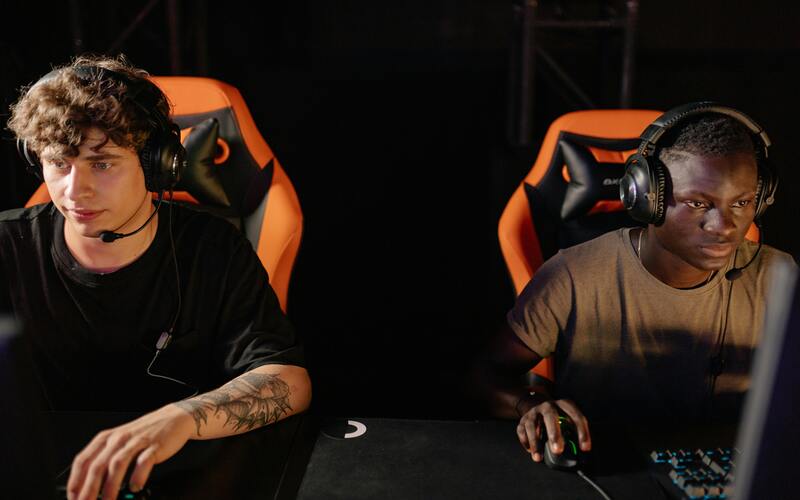
In practice, determining the right time to begin localization often requires interdisciplinary understanding, from technical development to linguistics. A structured approach helps ensure that the adaptation process aligns with production schedules and release goals.
Professional localization support helps integrate language and cultural adaptation into the development pipeline efficiently.
Digital Trans Asia provides professional translation, interpretation, and localization services for businesses across Asia.
Conclusion
Game localization should begin as early as possible in the development cycle, ideally from the initial planning and design stages. This approach helps reduce technical risks, maintain content consistency, and expedite release across multiple markets. With the increasing scale of the global games market and the complexity of multilingual adaptations, planned localization from the outset is a commercial necessity to ensure the game is accepted and enjoyed by players across multiple regions.
Need professional game localization support for your next global release?
Digital Trans Asia helps developers integrate language and cultural adaptation efficiently from the earliest stages of production. Contact Digital Trans Asia today to ensure your game reaches international audiences with clarity, consistency, and cultural accuracy.