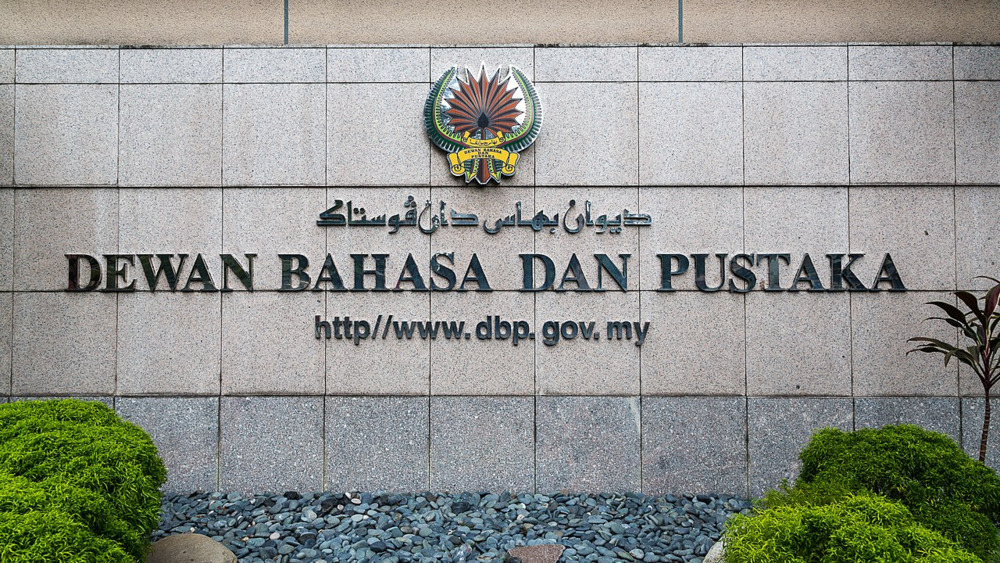
Translating Culture: How DBP Shapes General Translation in Malaysia
In the rich and diverse landscape of Malaysia, translation is more than just a technical skill—it's a vital bridge connecting different cultures and ideas. At the heart of this mission is Dewan Bahasa dan Pustaka (DBP), the national agency dedicated to developing the Malay language. Established in 1956, DBP has taken on a significant role in translating foreign works into Malay, helping to shape the educational and cultural fabric of the nation. Let’s explore how DBP influences general translation in Malaysia, its contributions, and the challenges it faces along the way.
The Role of DBP in Translation
A Cultural Institution
DBP was established with a clear goal: to develop and enrich the Malay language. However, its mission has evolved over the years to include the translation of foreign literature into Malay. By making international works accessible, DBP not only promotes literacy but also fosters a greater understanding of diverse cultures among Malaysian readers.
A Historical Perspective
The journey of translation at DBP began with its first translated novel, Anak Raja dengan Anak Papa, published in 1958. Since then, the agency has translated over 72 foreign novels, covering a variety of genres and themes. This effort has introduced Malaysian readers to global literary voices, enriching their understanding of different cultures and perspectives.
Bridging Language and Culture
Cultural Adaptation: More Than Just Words
Translating literature involves much more than simply converting text from one language to another. It requires a deep understanding of cultural context. DBP recognizes that effective translation involves cultural adaptation. For instance, idioms, cultural references, and humor often don’t have direct equivalents in Malay. Translators must navigate these challenges to ensure that the essence of the original work is preserved while remaining relatable to Malay readers.
A Case Study: To Kill a Mockingbird
One notable success story is the translation of To Kill a Mockingbird by Harper Lee into Malay. The translator, Ainon Abu Bakar, faced the challenge of conveying complex themes of racism and justice. By incorporating footnotes and explanatory details, she ensured that readers could grasp the nuances of the original text. This approach not only enriched the reading experience but also sparked discussions about social issues relevant to Malaysia.
Real-Life Contextualization
DBP also emphasizes the importance of contextualizing language learning through translation. For example, a game or novel set in a Malaysian market allows students to practice vocabulary in a real-world setting. This practical application of language skills helps learners see the relevance of what they are studying, which increases motivation and engagement.
Trends in Translation Practices
Direct vs. Intermediary Translations
DBP's translation activities reveal interesting trends, particularly regarding the languages involved. While many novels are translated directly from the original language, some are translated using intermediary texts. For example, the Malay translation of Riwayat Mayta was based on an English version rather than the original Spanish. This process highlights the necessity for translators who are proficient in multiple languages and illustrates the complexities inherent in literary translation.
Preference for Award-Winning Novels
Another trend is the preference for translating award-winning novels. Many of the works chosen for translation have received international acclaim, such as those by Nobel Prize winners. This not only elevates the status of the translated work but also introduces readers to high-quality literature. DBP strategically uses these accolades in promotional materials, attracting readers who may be curious about celebrated authors.
Challenges in the Translation Landscape
Limited Resources and Expertise
Despite its significant contributions, DBP faces challenges, particularly in terms of resources. The organization has experienced fluctuations in its translation departments, impacting its ability to produce high-quality translations consistently. For instance, the Translation Department was dissolved in 1970 due to a lack of expertise, leading to a temporary decline in translation activities.
A Shortage of Skilled Translators
The demand for skilled translators continues to grow, yet the supply remains limited. Many translators are often overburdened, which can affect the quality of translations. Furthermore, the lack of comprehensive training programs for translators in Malaysia means that aspiring translators may not receive the necessary skills to navigate the complexities of literary translation effectively.
The Future of Translation in Malaysia
Embracing Technology
Looking ahead, the future of translation in Malaysia appears promising, especially with advancements in technology. Digital tools and machine translation can assist in the translation process, but they should complement, not replace, the nuanced understanding that human translators provide. DBP can leverage technology to streamline translation workflows, making the process more efficient while maintaining quality.
Expanding Collaboration
Collaboration between DBP, educational institutions, and the publishing industry can further enhance translation efforts. By fostering partnerships, DBP can tap into a broader pool of talent and resources, ensuring that Malaysian literature remains vibrant and relevant in a global context.
Cultural Exchange Programs
Establishing cultural exchange programs can also enrich the translation landscape. By facilitating interactions between Malaysian translators and their counterparts from other countries, DBP can encourage the sharing of best practices and innovative translation strategies. This exchange would not only benefit translators but also promote a greater understanding of the cultures involved.
Conclusion

Dewan Bahasa dan Pustaka has played a pivotal role in shaping general translation in Malaysia, bridging linguistic and cultural gaps through its efforts in translating foreign novels into Malay. While challenges remain, the potential for growth is immense. By embracing technology, fostering collaboration, and adapting to the evolving landscape of translation, DBP can continue to enrich Malaysia's literary scene and promote cultural understanding.
As the world becomes increasingly interconnected, the importance of effective translation cannot be overstated. DBP's commitment to translating culture not only enhances literacy but also fosters appreciation for the diversity of human experience. In this endeavor, every translated novel is a step towards building a more inclusive and culturally rich society.
Ultimately, the work done by DBP in translating foreign novels into Malay not only opens doors to other cultures but also enriches the identity of Malaysia itself. By nurturing a culture of translation, DBP ensures that the stories of the world can resonate within the hearts of Malaysians, making literature a shared experience that transcends borders.
Bridging Cultures Through Professional Translation
Accurate translation plays a vital role in connecting cultures, ideas, and global audiences. With professional linguists and industry expertise, Digital Trans Asia supports high-quality general translation that respects cultural context and meaning.
Learn more about our translation services: https://digital-trans.asia/
Connect with our team for your translation needs: https://digital-trans.asia/contact-us
Explore opportunities with us: https://digital-trans.asia/careers