Why Southeast Asia Leads in Short Drama Dubbing
Short drama dubbing in Southeast Asia has established itself as a global benchmark, driven by a combination of linguistic and cultural expertise, cost-competitive production, and a rapidly expanding entertainment industry. With the constant growth of short video platforms, Southeast Asian studios are becoming increasingly involved in helping global content creators produce localized versions of their short dramas.
What Is Southeast Asian Short Drama Dubbing?
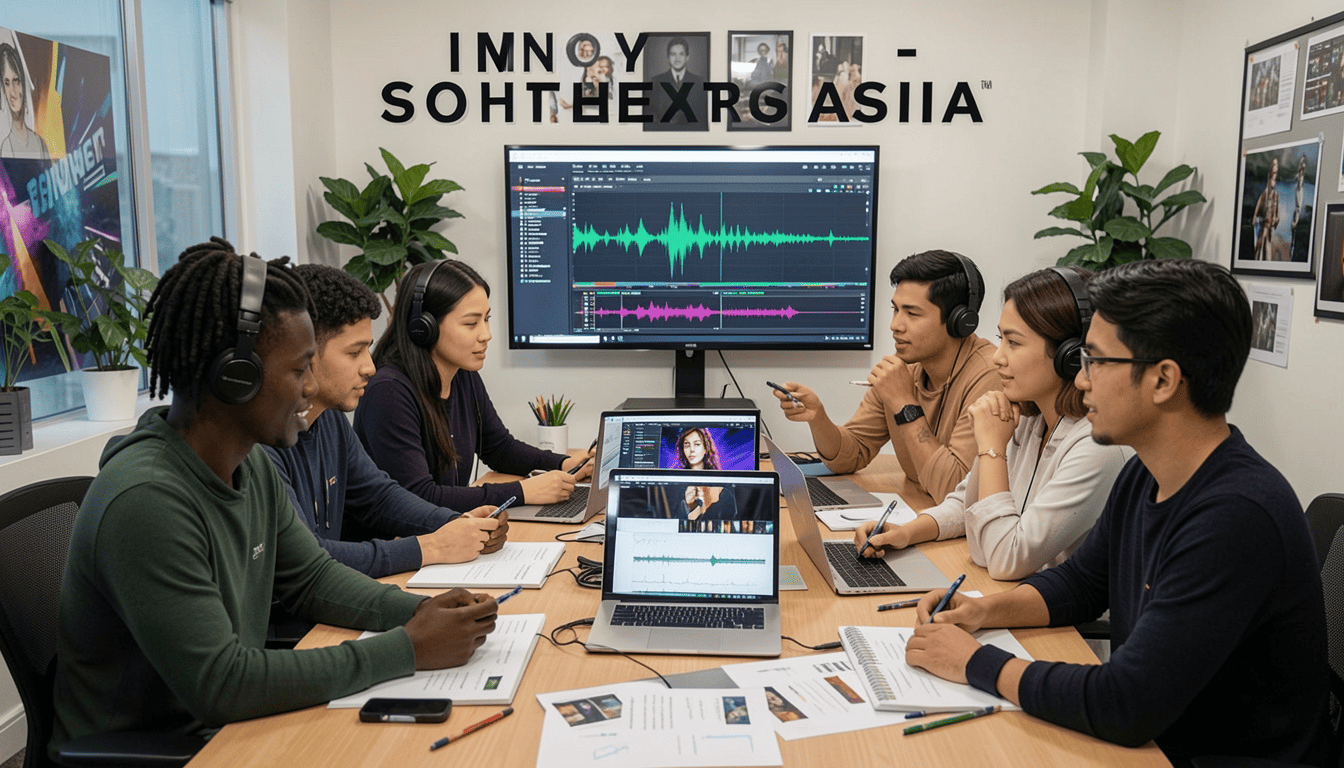
Southeast Asian short drama dubbing is the practice of replacing original dialogue in short dramas with professional voice recordings in Southeast Asian languages, including Indonesian, Thai, Vietnamese, Malay, and Filipino (Tagalog).
Unlike traditional TV shows with 30- to 60-minute episodes, short dramas run for just 1 to 5 minutes per episode and cater specifically to mobile users. They are primarily distributed via dedicated short drama apps or platforms like TikTok, YouTube Shorts, Facebook Reels, and Instagram Reels.
With the increasing demand for short dramas, the need for short drama dubbing has increased significantly. Tied closely to the surge in vertical video, this shift highlights how content creators increasingly prioritize dubbing over subtitling to deliver mobile-first entertainment in native languages.
Also read: What Does Game Localization Include? Language and Compliance Explained
Why Southeast Asia Has Become a Global Hub
Several factors have positioned Southeast Asia as one of the strongest regions for short drama localization.
Exceptional Linguistic Diversity
Southeast Asia is home to more than 680 million people and hundreds of languages. According to the Association of Southeast Asian Nations (ASEAN), the region represents one of the world's most linguistically diverse markets.
Countries such as Indonesia, the Philippines, Thailand, Vietnam, and Malaysia each have unique languages and cultural preferences. Successful dubbing therefore requires more than literal translation. It demands localization that reflects local humor, emotional tone, social norms, and conversational style.
This expertise makes regional localization teams particularly valuable for international streaming companies entering Asian markets.
Rapid Growth of Mobile Entertainment
Mobile devices dominate media consumption across Southeast Asia.
According to DataReportal's Digital 2025 report, internet penetration and smartphone adoption continue to increase throughout the region, with mobile devices serving as the primary gateway to digital entertainment for millions of users.
Short dramas fit naturally into this behavior, as bite-sized episodes cater to viewers during daily commutes, work breaks, or downtime.
As viewership increases, publishers require localization partners capable of delivering high-quality dubbed content at scale.
Strong Creative Talent Pool
Southeast Asia has developed mature creative industries in voice acting, broadcasting, animation, gaming, and advertising.
Professional voice actors across the region are experienced in adapting performances for different emotional contexts, including romance, comedy, suspense, fantasy, and slice-of-life storytelling.
Many voice talents are also multilingual, making multilingual production workflows more efficient.
Cost Efficiency Without Sacrificing Quality
One reason global publishers outsource short drama dubbing in Southeast Asia is the balance between affordability and production quality.
Compared with many Western production markets, Southeast Asian studios often provide competitive pricing while maintaining professional recording environments, experienced audio engineers, and rigorous quality assurance.
This combination allows publishers to localize large content libraries efficiently.
Benefits of Short Drama Dubbing in Southeast Asia
According to Think with Google, 72% of consumers spend most or all of their time on websites in their native language. Consequently, language heavily dictates user trust, engagement, and conversion.
Example
Imagine a user in Indonesia looking for a short drama streaming app.
- Website A: Entirely in English.
- Website B: Fully localized in Indonesian, including navigation, descriptions, payment information, and customer support.
Even if the user understands some English, they are much more likely to spend time exploring Website B because it feels easier, more familiar, and more trustworthy.
Professional dubbing provides measurable advantages for both audiences and content owners. Some of the key benefits include:
- Higher Audience Engagement: Research consistently shows that viewers engage more deeply with content presented in their native language.
- Improved Viewer Retention: Mobile audiences often consume content while multitasking. Dubbing reduces the effort required to follow subtitles.
- Greater Accessibility: Local-language audio helps viewers with reading difficulties or visual impairments enjoy content more comfortably.
- Stronger Emotional Impact: Professional voice performances preserve humor, suspense, and emotional nuance that subtitles alone may not fully convey.
- Faster Market Expansion: Publishers can launch the same content simultaneously across multiple Southeast Asian countries through multilingual dubbing.
- Higher Commercial Potential: Localized entertainment generally performs better in regional advertising, subscriptions, and viewer engagement metrics.
Also read: Beyond Translation: Why Language Training Matters for International Business Success
How Short Drama Dubbing Works
Professional short drama dubbing follows a structured localization workflow designed to maintain both linguistic accuracy and emotional authenticity.
1. Script Translation
The original dialogue is translated into the target language while preserving meaning, tone, humor, and emotional context.
Instead of producing literal translations, linguists adapt expressions to sound natural for local audiences.
2. Script Adaptation
The translated script is refined to match character personalities, lip synchronization (where applicable), and exact audio-visual timing.
For short dramas, timing is especially important because scenes change rapidly.
3. Voice Casting
Voice directors select actors whose vocal characteristics closely match each character.
Factors include:
- Age
- Personality
- Emotional range
- Speaking style
- Accent preferences
4. Voice Recording
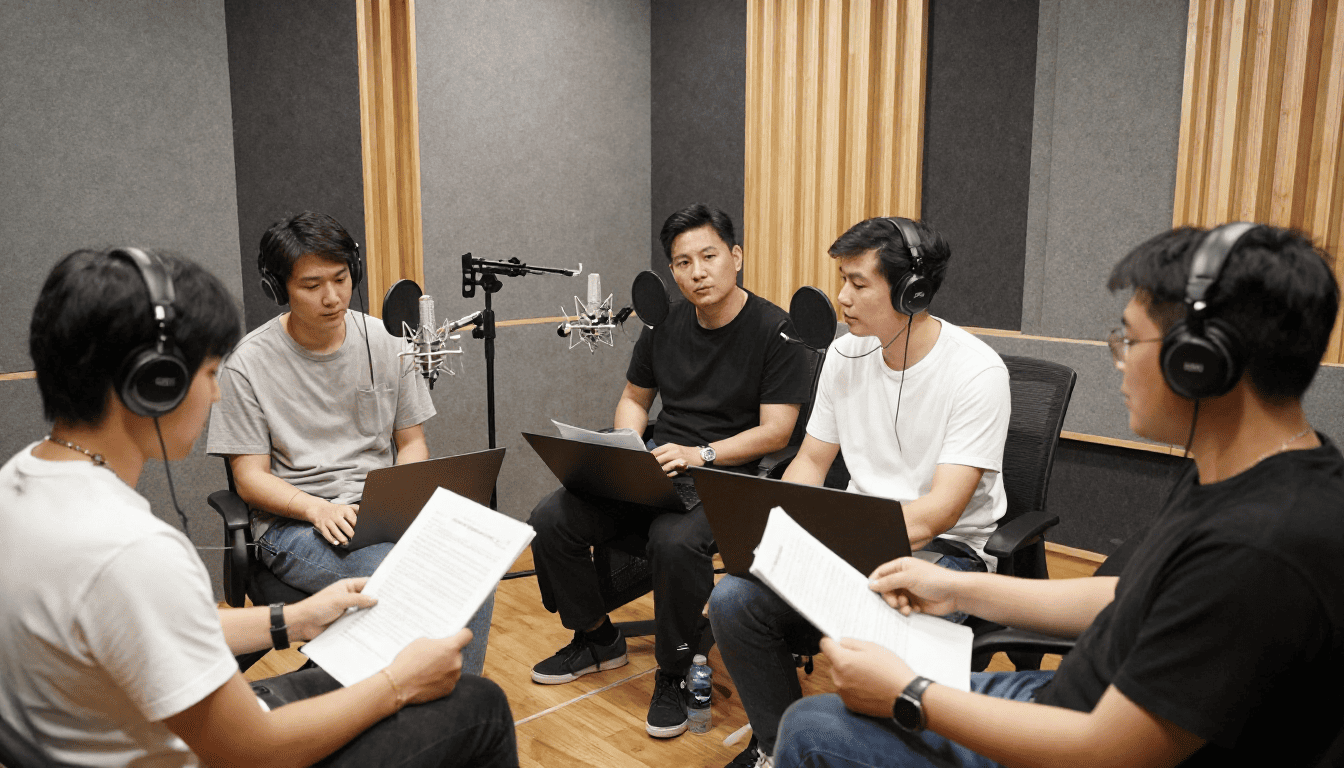
Professional voice actors record dialogue inside controlled studio environments using high-quality microphones and audio equipment.
Directors guide performances to ensure emotional consistency throughout the production.
5. Audio Editing
Audio engineers remove unwanted noise, balance sound levels, synchronize dialogue, and integrate music and sound effects.
The objective is to create a seamless listening experience.
6. Quality Assurance
Native-language reviewers evaluate the final production for:
- Translation accuracy
- Pronunciation
- Timing
- Audio quality
- Cultural appropriateness
- Overall viewer experience
Only after passing quality checks is the dubbed version prepared for distribution.
Also read: How Does Internationalization Prepare a Game for Localization
Common Challenges in Short Drama Dubbing in Southeast Asia
Although Southeast Asia offers significant advantages, several challenges must be carefully managed.
Maintaining Natural Dialogue
Literal translations often sound unnatural.
Professional localization focuses on conversational language that reflects how native speakers communicate in everyday situations.
Preserving Emotional Performance
Voice acting requires more than reading translated scripts.
Actors must reproduce the emotional intensity of the original performance while sounding authentic in the target language.
Managing Multiple Languages Simultaneously
International publishers frequently localize one title into several Southeast Asian languages at once.
Without standardized workflows, maintaining consistent terminology, character names, and dialogue quality becomes difficult.
Handling Cultural References
Some jokes, idioms, or cultural references may not resonate with local audiences.
Localization specialists determine whether these elements should be translated directly, adapted, or replaced with culturally relevant alternatives.
Meeting Tight Release Schedules
Short drama platforms often release episodes daily or weekly.
Localization teams must balance production speed with quality assurance to meet demanding publishing schedules.
Best Practices for Mitigating Dubbing Risks
Organizations can improve dubbing quality by:
- Working with native-speaking linguists
- Using experienced voice actors
- Building consistent terminology guides
- Conducting multiple quality reviews
- Planning localization early during content production
- Maintaining collaboration between translators, directors, and audio engineers
Why Dubbing Matters More Than Ever
The popularity of short dramas reflects broader changes in global digital entertainment.
Streaming audiences increasingly expect localized experiences rather than translated content alone.
According to Nimdzi Insights, language services have become a strategic investment as businesses expand internationally and digital content reaches increasingly multilingual audiences.
Meanwhile, Statista projects continued growth in digital video consumption worldwide, creating sustained demand for scalable localization services.
For entertainment companies, effective dubbing supports:
- International audience growth
- Higher viewer satisfaction
- Increased watch time
- Stronger regional brand recognition
- Better long-term content performance
As AI-assisted translation tools become more common, human expertise remains essential for voice performance, emotional delivery, cultural adaptation, and quality control.
FAQ
What is short drama dubbing?
Short drama dubbing replaces the original dialogue of short-form video dramas with professionally recorded voice performances in another language.
Why is Southeast Asia important for short drama dubbing?
The region offers extensive linguistic expertise, experienced creative professionals, competitive production costs, and strong demand for localized entertainment.
Which languages are commonly dubbed in Southeast Asia?
Popular target languages include Indonesian, Thai, Vietnamese, Malay, Filipino (Tagalog), Burmese, Khmer, and several regional languages depending on the audience.
Is dubbing better than subtitles?
Both have advantages. However, dubbing generally creates a more immersive experience because viewers can focus on the visuals without constantly reading subtitles.
How long does short drama dubbing usually take?
Production timelines depend on project size, language count, and quality requirements. Small projects may be completed within days, while larger multilingual productions typically require several weeks.
What industries use short drama dubbing besides entertainment?
Short-form dubbing is increasingly used in marketing, e-learning, corporate training, healthcare communication, tourism, and social media advertising.
How does localization improve audience engagement?
Localized dialogue helps viewers connect emotionally with characters, understand cultural nuances, and enjoy a more natural viewing experience.
What should businesses look for in a dubbing partner?
Businesses should look for deep regional language expertise, experienced voice talent networks, robust QA processes, and proven cultural adaptation capabilities. Digital-Trans Asia offers comprehensive translation, interpretation, and localization services designed specifically for scaling content across Asian markets.
Conclusion
Short drama dubbing in Southeast Asia has become vital to global content strategy because the region uniquely merges linguistic diversity, cultural fluency, seasoned creative talent, and cost-effective production pipelines. As mobile-first entertainment continues to grow, publishers increasingly rely on high-quality dubbing to deliver engaging experiences that resonate with local audiences.
Organizations expanding across Asia benefit most when localization goes beyond translation and focuses on authentic communication that reflects each market's language and culture. Investing in professional dubbing helps improve viewer engagement, strengthen brand perception, and support sustainable international growth.