Can AI Replace Human Game Localizers? Risks, Limits, and Best Practices
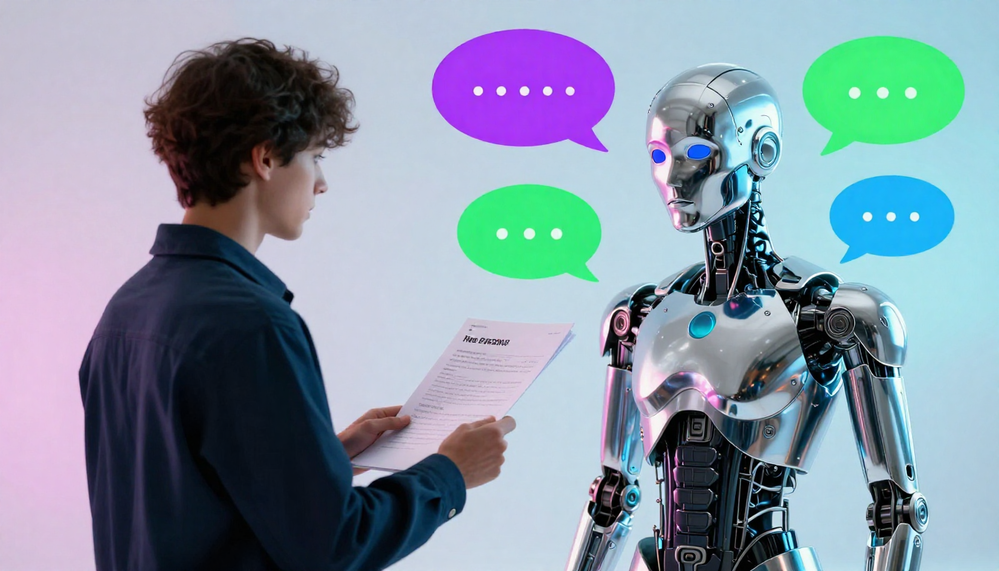
AI translation tools can speed up multilingual productions but cannot fully replace a human game localizer in terms of narrative depth, cultural nuance, and player immersion. Whereas automation increases speed and cost efficiency, a human game localizer continues to be indispensable in context interpretation, tone consistency, and risk management. The best approach thus lies in the combination of AI efficiency with human expertise.
What Is a Human Game Localizer?
A human game localizer is a professional linguist or language specialist responsible for adapting game content not just linguistically but culturally. This includes dialogue, character voice, UI text, monetization messaging, tutorials, and socio-cultural references.
AI in game localization refers to using machine translation systems, neural networks, large language models, and automation platforms to generate initial translations, detect errors, and support scalable multilingual production. These systems can significantly speed up workflows but rely on probabilistic patterns rather than intuitive understanding.
The distinction between human and AI roles lies in interpretation:
- AI excels at processing high volumes of text, identifying patterns, and suggesting consistent replacements.
- Human game localizers interpret context, emotion, cultural references, humor, irony, and game design intent — elements that machine systems cannot reliably infer.
While AI improves throughput, it lacks autonomous judgment for strategic decisions like tone adaptation or region-specific storytelling.
Also read: How Game Localization Enhances the Experience for Indonesian Players
Benefits of AI and Human Game Localizers
Both AI systems and a human game localizer have distinct strengths. Understanding their benefits clarifies where each approach fits best.
Advantages of AI in Localization
- Rapid translation of large text volumes
- Cost efficiency for frequent updates
- Scalable output across multiple languages
- Quick turnaround for patch notes and UI strings
- Useful for internal builds or early testing
AI tools help studios manage content-heavy live service environments. For repetitive or low-risk text, automation reduces production time.
Advantages of a Human Game Localizer
- Accurate adaptation of humor and idioms
- Emotional consistency in character dialogue
- Cultural sensitivity for regional markets
- Reduced brand risk in premium titles
- Higher immersion in narrative-heavy games
A human game localizer is particularly valuable for RPGs, visual novels, AAA titles, and any project where storytelling drives retention.
In practice, many publishers adopt a hybrid model. AI generates initial drafts, while a human game localizer refines and validates output to ensure quality and cultural accuracy.
Also read: Why Localizing Games to Indonesian is Key to Success in the Local Market
How AI and Human Game Localizers Work in Practice
Understanding workflow differences helps clarify operational realities.
1. Automated Draft Generation
AI engines process extracted text and generate translations based on training data. This step accelerates early production but lacks contextual interpretation. A human game localizer is often required to review AI output before implementation.
2. Context Review and Enrichment
Screenshots, build access, and glossaries are provided. A human game localizer analyzes tone, character relationships, and gameplay flow. AI systems cannot independently evaluate narrative coherence.
3. Human Editing and Cultural Adaptation
A human game localizer corrects mistranslations, adjusts phrasing, and adapts culturally sensitive elements. This stage prevents literal translations that may confuse players.
4. Terminology Validation
Glossaries and style guides ensure consistency. A human game localizer ensures that skill names, system labels, and monetization terms remain aligned across the game.
5. In-Game Testing
Localized text is implemented and reviewed in the build. A human game localizer works with QA testers to identify truncation, font issues, or contextual mismatches.
6. Final Linguistic Quality Assurance
Native testers confirm that dialogue flows naturally and gameplay instructions are clear. This oversight reinforces the necessity of a human game localizer in final validation.
While AI improves production efficiency, it does not independently manage narrative responsibility. A human game localizer ensures accountability and contextual integrity.
Also read: Essential Metrics and KPIs to Track Game Localization Success
Common Risks of Replacing Human Game Localizers
Relying solely on automation introduces several operational and strategic risks. According to the 2023 Global Games Market Report by Newzoo, over half of game revenues now come from international markets. This global distribution increases the stakes of localization accuracy and cultural adaptation, reinforcing why the role of a human game localizer remains strategically important.
Below are key limitations that highlight why human oversight remains essential in professional localization environments.
Loss of Cultural Nuance
AI models may mistranslate humor, sarcasm, or culturally specific references. These elements often rely on shared social context rather than direct dictionary equivalents. A human game localizer recognizes subtle emotional cues, layered meanings, and regional sensitivities, then adapts the message appropriately instead of translating it word for word.
For example, idiomatic jokes or ironic dialogue may require complete rewriting to resonate in another language. Without a human game localizer, such content may sound awkward, confusing, or unintentionally offensive.
Brand and Reputation Damage
Poor localization can result in public criticism, particularly in markets with strong online communities. Social media amplifies localization errors quickly, and mistranslations can damage credibility within hours of release. A human game localizer reduces this risk by reviewing tone, context, and compliance before content reaches players.
When monetization prompts, disclaimers, or promotional content are inaccurately translated, players may perceive manipulation or incompetence. A human game localizer helps protect brand reputation by ensuring messaging remains transparent and culturally appropriate across regions.
Inconsistent Character Voice
Automated systems may produce inconsistent phrasing across dialogue lines, especially in long scripts that include branching narratives. Characters may shift tone unpredictably if translation models interpret similar phrases differently in separate contexts. A human game localizer maintains character identity, speech patterns, and narrative cohesion throughout the entire script.
Consistency is critical in RPGs, visual novels, and episodic games. Players quickly notice when a character’s voice feels unstable or unnatural. A human game localizer ensures that terminology, personality traits, and emotional expression remain aligned from beginning to end.
Regulatory and Compliance Errors
Certain regions require careful handling of religious, political, or culturally sensitive content. Automated systems cannot reliably evaluate regulatory implications or cultural taboos. A human game localizer understands regional guidelines and mitigates compliance risks before release.
For example, some countries impose restrictions on depictions of violence, gambling, or specific symbolism. A human game localizer can flag problematic elements and recommend appropriate adjustments. This proactive approach reduces the likelihood of content rejection or legal complications.
Overreliance on Speed
While AI accelerates output, prioritizing speed over quality may reduce long-term player trust. Fast delivery does not guarantee contextual accuracy. Research from CSA Research indicates that consumers prefer content in their native language and are more likely to disengage from poorly localized material. This reinforces the strategic value of a human game localizer.
When localization quality declines, player retention and monetization can suffer. A human game localizer balances efficiency with clarity, ensuring that speed does not compromise player experience.
Limited Context Awareness
AI translation systems often process text in isolated segments rather than full narrative arcs. Without a broader context, references to earlier story events or character relationships may be mistranslated. A human game localizer reads and interprets content holistically, preserving continuity across chapters, updates, and expansions.
Context awareness also matters for gameplay mechanics. Skill descriptions, item effects, and system notifications must align with actual in-game behavior. A human game localizer verifies that terminology reflects gameplay logic accurately.
Ethical and Creative Limitations
Localization is not purely technical. It involves creative judgment, ethical awareness, and audience empathy. A human game localizer evaluates how localized text may influence player perception, cultural representation, and community response. AI tools lack this interpretive responsibility.
As global markets grow more diverse, ethical localization practices become increasingly important. A human game localizer can guide studios in making culturally informed decisions that support inclusivity and respectful representation.
FAQ
1. Can AI fully replace a human game localizer?
No. AI can assist with speed and volume, but a human game localizer is essential for narrative accuracy and cultural adaptation.
2. When is AI localization appropriate?
AI works well for repetitive text, internal testing builds, and rapid updates where speed is critical.
3. Why is a human game localizer important for story-driven games?
Because emotional tone, humor, and character consistency require interpretation beyond literal translation.
4. Is AI localization cheaper?
AI reduces upfront translation costs, but errors may increase revision expenses without human oversight.
5. Does every game need a human game localizer?
Most commercial releases benefit from human review, especially when targeting multiple regions.
6. What is the safest approach?
A hybrid workflow where AI assists and a human game localizer validates results.
7. How does localization impact player retention?
Accurate and culturally relevant localization improves comprehension, immersion, and long-term engagement.
Conclusion
AI tools continue to evolve, and their contribution to multilingual production is undeniable. However, replacing a human game localizer entirely introduces creative and reputational risks that many studios cannot afford. The most sustainable strategy is collaboration between technology and human expertise.
A human game localizer ensures narrative depth, emotional accuracy, and cultural alignment that automated systems cannot fully replicate. For game publishers or developers expanding into Asia and beyond, thoughtful localization decisions directly influence player retention and brand perception.
Expand Your Game to Global Markets with Professional Localization
Digital-Trans Asia provides professional translation, interpretation, and localization services for businesses across Asia. With the right combination of AI-powered efficiency and expert human localization, your game can deliver immersive experiences that resonate naturally with players across different languages and cultures.