Gaming for Growth: How Educational Translation Levels Up Learning in Malaysia
In the vibrant educational landscape of Malaysia, the integration of technology is transforming the way students learn. One of the most exciting developments is the use of video games as educational tools. This trend not only enhances engagement but also addresses the language barriers faced by many students, particularly those from diverse backgrounds. In this article, we’ll explore how educational translation in gaming is leveling up learning in Malaysia, fostering growth, and making education more accessible and enjoyable.
The Power of Gaming in Education
Engaging the Digital Natives
Today's students are digital natives, growing up in a world saturated with technology and interactive media. Video games resonate with this generation, making them an ideal medium for education. When educational content is gamified, it captures students' attention and motivates them to participate actively in their learning process. This engagement is crucial for effective learning, especially in a multicultural context like Malaysia, where students may come from various linguistic backgrounds.
Learning Through Play
Gamification in education leverages the innate desire to play and explore. Educational video games incorporate challenges, rewards, and immersive storytelling, all of which make learning fun. For instance, a game designed to teach the Malay language might require players to complete quests that involve using vocabulary in context, solving puzzles, or navigating social situations. This hands-on approach not only helps reinforce language skills but also builds critical thinking and problem-solving abilities.
Cognitive Benefits of Gaming
Research has shown that playing video games can enhance cognitive skills such as memory, attention, and spatial awareness. Educational games specifically designed to challenge students can improve their ability to process information and make decisions quickly. This cognitive engagement is especially beneficial for language learning, where understanding context and nuance is key.
Bridging Language Gaps with Translation
The Role of Educational Translation
For many foreign students in Malaysia, language can be a significant barrier to learning. Educational translation becomes essential in ensuring that all students can access the curriculum effectively. Translators play a vital role in localizing educational games, making them culturally relevant and linguistically appropriate for diverse audiences.
Cultural Adaptation
Successful translation goes beyond mere word-for-word conversion; it involves cultural adaptation. This means understanding local customs, idioms, and expressions that resonate with students. For example, if a game features a character celebrating a local festival, the translation must convey not only the vocabulary but also the cultural significance of the event. This cultural context enriches the learning experience and promotes a deeper connection to the language.
Real-Life Contextualization
By incorporating real-life scenarios into educational games, students can learn language skills in a context that mirrors their everyday experiences. For instance, a game that simulates a market environment allows students to practice shopping vocabulary while interacting with virtual vendors. This contextualization helps students see the practical application of their language skills, making learning more meaningful.
Best Practices for Effective Educational Gaming
Collaborative Development
The development of educational games should involve collaboration between educators, game developers, and translators. Educators provide insights into learning objectives, game developers create engaging gameplay, and translators ensure that the language is accessible and relevant. This collaborative approach can lead to games that are not only fun but also effective in achieving educational outcomes.
Utilizing Feedback Mechanisms
Implementing feedback mechanisms is crucial for continuous improvement. After students engage with educational games, collecting their feedback can help identify what aspects worked well and what could be enhanced. This iterative process allows developers to refine gameplay and translation, ensuring that the games remain relevant and engaging for future learners.
Continuous Professional Development
Educators and translators should engage in continuous professional development to stay updated on the latest trends in gaming and language acquisition. Workshops, conferences, and online courses can provide valuable insights into effective strategies for integrating games into the classroom and improving translation techniques.
Case Studies: Transformative Successes
Local Initiatives
Several universities in Malaysia have begun incorporating educational gaming into their curricula. For example, institutions like Universiti Malaya and the International Islamic University Malaysia have experimented with games that teach Malay to foreign students. These initiatives have shown promising results, with students reporting increased motivation and improved language skills. The combination of gameplay and education creates a unique environment where students feel comfortable practicing their language skills.
Real-World Applications
One notable example is a game designed for beginner Malay learners that incorporates real-life scenarios, such as shopping or dining. As students navigate these scenarios, they must use the Malay language to interact with characters, make purchases, or order food. This practical application not only enhances vocabulary acquisition but also builds confidence in using the language in everyday situations.
Success Stories from Students
Students have shared positive feedback about their experiences with educational video games. Many report feeling more engaged and motivated to learn, appreciating the interactive nature of the games. Some have noted that the gamified approach has helped them retain vocabulary better and understand grammatical structures more intuitively. These success stories highlight the potential for video games to transform traditional language learning methods.
The Future of Educational Translation in Gaming
Expanding Genres and Technologies
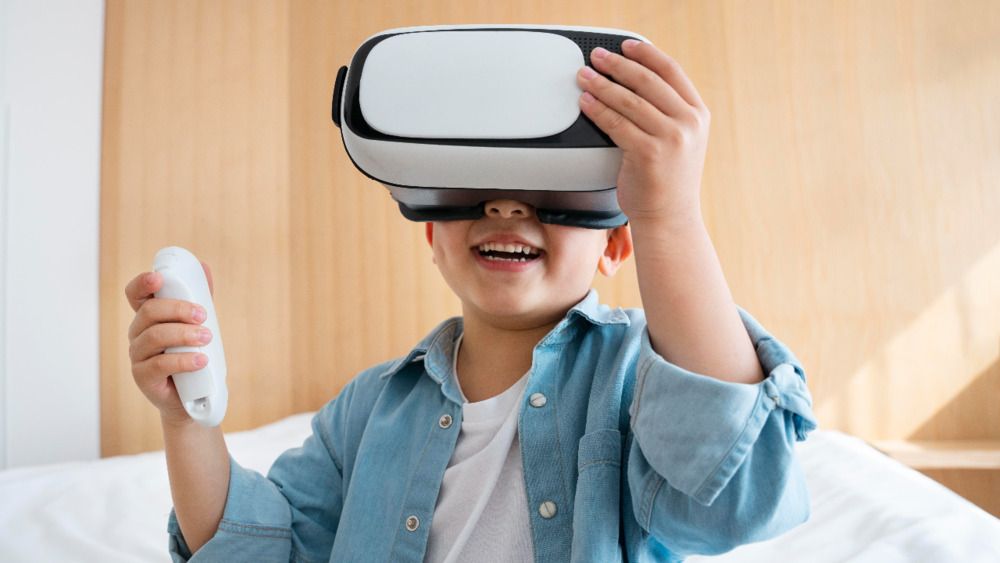
The future of educational gaming in Malaysia looks bright, with advancements in technology paving the way for more innovative learning experiences. As augmented reality (AR) and virtual reality (VR) technologies become more accessible, they hold the potential to create even more immersive educational environments. Imagine students exploring a virtual Malaysian town, practicing their language skills while interacting with virtual locals, or participating in cultural activities.
Interactive Learning Environments
Future educational games can create interactive learning environments that simulate real-world experiences. For example, a game could allow students to participate in a virtual cultural exchange, where they interact with peers from different backgrounds, practice their language skills, and learn about each other's cultures. This kind of immersive experience not only enhances language retention but also fosters global citizenship and cultural understanding.
Continuous Evolution in Educational Practices
As the educational landscape evolves, so too must the strategies for educational translation. Staying attuned to trends in both gaming and language learning will be crucial for developing effective educational tools. This means embracing new genres of games and exploring various platforms, from mobile devices to interactive classrooms.
Conclusion
Gaming for growth in education is not just a trend; it’s a powerful movement that can transform the learning experience in Malaysia. By leveraging the power of video games and effective educational translation, we can create engaging, relevant, and accessible learning environments for all students.
As we look to the future, the continued collaboration between educators, developers, and translators will be essential in shaping the next generation of educational tools. With creativity and innovation at the forefront, Malaysia can lead the way in redefining education, making it an exciting adventure for students of all backgrounds.
In summary, the integration of gaming and translation in education has the potential to break down barriers, foster engagement, and promote a love for learning. By embracing these changes, we can level up education in Malaysia, ensuring that every student has the opportunity to thrive in a dynamic, interactive, and inclusive learning environment. Game on!
Ready to create engaging, accessible learning experiences with expert educational translation services? Visit https://digital-trans.asia/ to learn more about our services. Contact us today to get started!