How Game Localization Testing Works and Why It Matters in Global Game Releases
The process of game localization testing involves checking the translated content of the game within the context of the actual gameplay. This ensures that the translations are accurate, functioning well, and culturally appropriate. If the translations are not tested, even the best translations can go wrong.
What Is Game Localization Testing and How Does It Work?
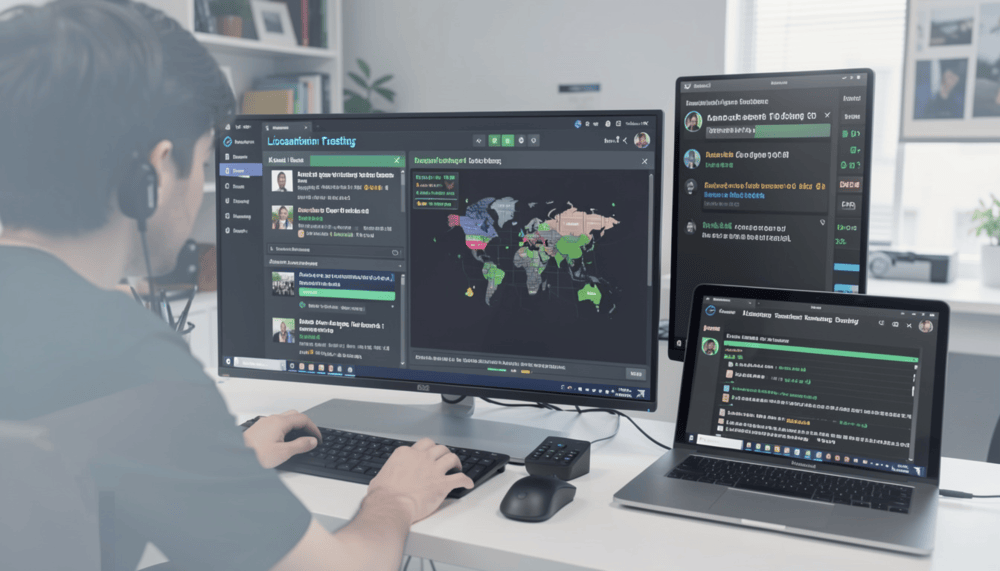
The process of game localization testing is a special type of quality assurance process. This process ensures that the translations are tested within the context of the gameplay. This is different from the usual process of translation, where the translations are tested separately.
In other words, the process of game localization testing is a combination of language checks and functional checks. Language checks ensure that the translations are accurate and terminologically appropriate, whereas functional checks ensure that translations fit seamlessly within interface.
The importance of localization continues to grow as global gaming expands. According to Statista, the global gaming market is projected to generate hundreds of billions of dollars annually, with Asia representing the largest regional share.
At the same time, research from CSA Research shows that 76 percent of consumers prefer purchasing products in their native language. These figures highlight why game localization testing works as a critical step before international release.
When implemented correctly, game localization testing works to bridge the gap between translation and player experience. It ensures that language supports gameplay rather than disrupts it.
Benefits of Structured Game Localization Testing
When properly integrated into the development cycle, game localization testing works to protect both user experience and brand reputation. Below are key benefits:
- Ensures linguistic accuracy in real gameplay context
- Prevents text truncation, overlapping UI, and formatting errors
- Validates cultural sensitivity and regional appropriateness
- Detects broken placeholders and variable errors
- Protects monetization clarity in in-game purchases
- Improves player trust and retention in global markets
- Reduces costly post-launch patches
Game localization testing works especially well for live service games, mobile games, and titles with frequent updates. Without testing, even minor text display issues can negatively impact player immersion and conversion rates.
For studios launching in Asia, compliance and clarity are equally important. Platform guidelines from Apple and Google emphasize clear communication regarding subscriptions and digital purchases. Game localization testing works to ensure that translated purchase prompts and disclaimers remain legally accurate.
Studios expanding across Southeast Asia, Japan, Korea, or China often discover that direct translation alone is not enough. Game localization testing works most effectively when supported by experienced regional specialists who understand platform requirements, player behavior, and regulatory nuances. Partnering with an experienced localization provider can reduce launch risk and improve market readiness.
Also read: Why Game Companies Are Localizing Their Games in Indonesia
How Game Localization Testing Works
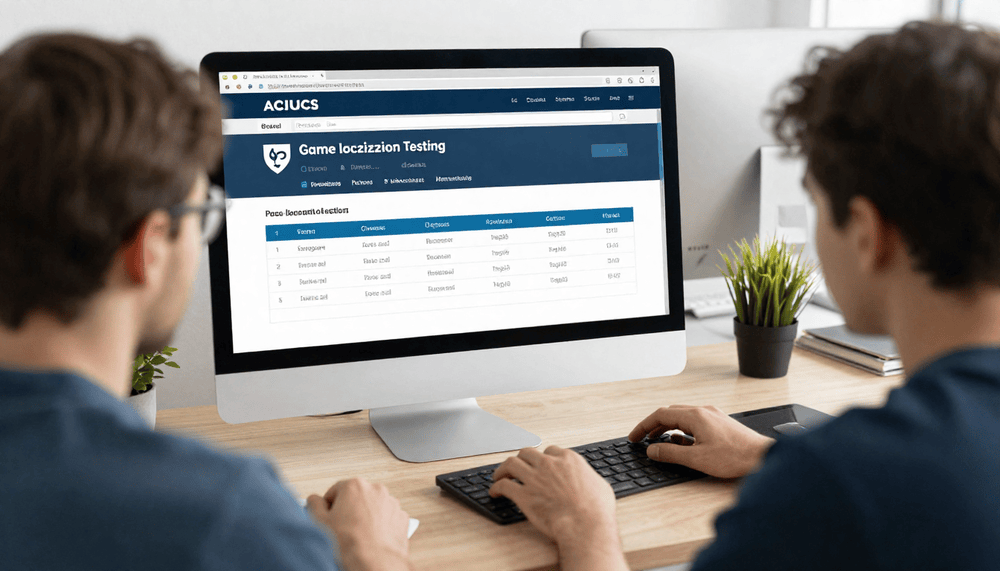
Understanding how game localization testing works requires examining the full workflow. Below is the structured process used by professional QA teams.
1. Preparation and Build Integration
Game localization testing works best when testers receive a localized build integrated with translated strings. Testers also review glossaries, style guides, and reference materials to understand tone and terminology.
2. Linguistic Review in Context
Testers play through the game to validate dialogue, tutorials, system messages, and UI labels. Game localization testing works here by identifying mistranslations, awkward phrasing, and inconsistent character voice.
3. Functional and UI Validation
Game localization testing works to detect technical issues such as:
- Text overflow in buttons or menus
- Incorrect font rendering
- Broken line breaks
- Missing accents or characters
- Placeholder errors, such as {playername} appearing incorrectly
This stage ensures translated text fits within design constraints.
4. Cultural and Regional Assessment
Testers verify that symbols, references, humor, and imagery align with local expectations. Game localization testing works to prevent unintended offense or confusion.
5. Bug Reporting and Developer Feedback
All linguistic and functional issues are documented in tracking systems. Developers then implement corrections. Game localization testing works as an iterative process, often requiring multiple validation rounds.
6. Regression Testing
After fixes are applied, testers recheck the affected areas. Game localization testing works to confirm that corrections did not introduce new errors.
When integrated early into development cycles, game localization testing works to prevent last-minute delays and emergency fixes before launch.
Also read: The Impact of Indonesian Game Translation for Big Industries
Common Mistakes and Risks in Localization Testing
Despite its importance, several mistakes can undermine effectiveness.
Skipping in Context Testing
Reviewing text in spreadsheets without playing the game limits visibility. Game localization testing works only when testers interact with actual gameplay builds.
Late Stage Testing
Conducting localization testing just before launch creates time pressure. Game localization testing works best when integrated into development milestones.
Ignoring Cultural Sensitivity
Direct translation may miss cultural nuances. Game localization testing works to identify problematic references before public release.
Underestimating UI Expansion
Some languages require more space than English. Without UI flexibility, text may be cut off. Game localization testing works to detect layout constraints early.
Insufficient Regression Cycles
Fixes can cause new formatting issues. Game localization testing works as a continuous validation process, not a one-time check.
According to industry reports from Newzoo, Asia remains the largest regional gaming market by revenue. This scale amplifies the risks of launching with localization errors, especially in competitive mobile segments.
Also read: Tackling Multiple Dialects and Pluricentric Languages When Localizing Indonesian Games
FAQ
1. What is the main purpose of game localization testing?
Game localization testing works to ensure translated content functions correctly and feels natural within gameplay.
2. When should localization testing begin?
Ideally, during development milestones, not just before launch.
3. Is localization testing different from standard QA?
Yes. It focuses specifically on linguistic accuracy, cultural adaptation, and UI compatibility.
4. Does every game require localization testing?
Any game targeting multiple language markets benefits from it.
5. How long does localization testing take?
It depends on game size, complexity, and the number of languages.
6. Can localization testing reduce post-launch issues?
Yes. Early detection prevents costly patches and negative reviews.
7. Why is Asia particularly important for localization testing?
Asia represents the largest gaming revenue region globally, creating both opportunities and risks.
Conclusion
Game localization testing works as a safeguard between translation and player experience. It ensures that language accuracy, cultural sensitivity, and technical functionality align before global release. In an industry where player expectations are high and competition is intense, overlooking this step can impact retention, monetization, and brand credibility.
For studios targeting diverse Asian markets, structured localization workflows are not optional. Digital-Trans Asia provides professional translation, interpretation, and localization services for businesses across Asia.
Integrating experienced linguistic QA into your production pipeline can help reduce risk, improve time to market, and strengthen player trust. If your team is preparing for a multilingual launch, consider consulting localization specialists who understand both technical workflows and regional expectations.
Ready to ensure your game passes localization testing for Asian markets? Visit https://digital-trans.asia/ to learn more about our services. Contact us today to get started!