
Key Differences Between Localizing Indie Games and AAA Titles
The main differences between indie and AAA game localization lie in the scale, resources, and complexity of the adaptation process. AAA games typically undergo comprehensive localization with multiple languages and intensive testing, while indie games often utilize a more streamlined, targeted localization strategy tailored to the needs of the target market.
Definition / Explanation
Game localization is the process of adapting game content to suit the language, culture, and context of players in a specific region. The main differences between indie and AAA game localization lie in the scale of production, resource allocation, and the level of complexity of the adaptation.
AAA games are typically designed for a global market from the early stages of development, making localization an integral part of the production pipeline. In contrast, indie games often prioritize core development first, then localize incrementally according to needs and budget constraints. This difference in approach impacts the language coverage, the quality of cultural adaptation, and the testing process employed.
Read More: The Power of Subtitle: 5 Thai Films Breaking Borders
Furthermore, player expectations for AAA games and indie games differ. AAA games are expected to deliver a consistent and equal experience across all regions, while indie gamers tend to be more tolerant of localization limitations as long as the core gameplay remains engaging and understandable.
This difference is also evident in the way localization is planned throughout the development cycle. In AAA games, localization is generally considered during pre-production, including codebase architecture, text management systems, and multilingual support. This approach allows the team to add new languages without significantly changing the game's technical foundation. In contrast, many indie games only consider localization after the game is nearly complete or even after its initial release, so adaptations are often carried out with more limited technical adjustments.
Regarding personnel, AAA games typically involve multiple parties, including scriptwriters, linguistic editors, cultural specialists, and dedicated quality assurance teams for each language. This allows for strict quality control and consistency of terminology across the game's content. In indie games, localization is often managed by a small team, sometimes even directly by the developer, so the scope of adaptation must be tailored to the available capacity.
Furthermore, differences in genre and content complexity also influence localization approaches. AAA games with long narratives, branching dialogue, and cinematic assets require more extensive language and cultural adaptation than indie games with simple mechanics and minimal text. These factors explain why the results and processes of localization between indie and AAA games can look very different, even though the ultimate goal is the same: to provide a gaming experience that is accessible to players from diverse backgrounds.
Benefits / Use Cases
Understanding the differences in localization between indie and AAA games helps developers determine the most relevant strategy. Some of the benefits and uses of localization for both types of games include:
AAA Games
- Reaching the global market in multiple languages simultaneously.
- Maintaining consistent narrative quality and player experience across regions.
- Meeting regulatory standards and content policies in multiple countries.
- Facilitating simultaneous global ship dates.
Indie Games
- Incrementally expanding audiences at a more manageable cost.
- Focusing on the most promising key market languages.
- Gauging international interest before committing to full-scale localization.
- Adjusting localization priorities based on community response.
The right approach allows both types of games to maximize market potential without overburdening the production process.
How It Works / Process
The localization process for indie and AAA games has similar stages, but differs in depth and scale. Generally, the process includes:
Target Market Determination
AAA games typically target multiple regions simultaneously, while indie games select priority markets with the highest conversion potential.
Content Analysis
All game elements are identified, including text, dialogue, UI, audio, visuals, and cultural references.
Translation and Adaptation
In AAA games, this process involves multiple languages and specialized teams. In indie games, adaptation typically focuses on core text and key UI elements.
Cultural and Regulatory Adaptation
AAA games undergo in-depth adaptations to avoid cultural and legal risks. Indie games typically implement more minimal but essential adaptations.
Technical Integration
Localized content is incorporated into the game build with layout and system adjustments.
Quality Assurance and Testing
AAA games undergo rigorous linguistic quality assurance (LQA), while indie games undergo limited testing, depending on available resources.
Game Localization Industry Data and Trends
Differences in localization approaches are also influenced by the state of the global gaming industry. According to the Video Game Localization Market Report, the global game localization market is estimated to be worth approximately USD 5.14 billion in 2025 and is projected to grow to USD 12.06 billion by 2033, with an average annual growth rate of approximately 11.25%. This growth is driven by the increasing number of games released across platforms and regions, from both major studios and independent developers. This data shows that while AAA games dominate the production scale, indie games are also increasingly leveraging localization to reach international audiences. Both contribute to the growing need for language and cultural adaptation in the global gaming industry.
Common Mistakes / Risks
Some common mistakes in localizing indie and AAA games include:
- Considering localization as simply a text translation.
- Failing to adapt to local cultural context or humor.
- Ignoring UI limitations due to differences in text length.
- Lack of testing after local content integration.
- Failing to establish clear language priorities, especially in indie games.
These risks can impact the player experience and the perceived quality of the game in international markets.
FAQ
What are the main differences between indie and AAA game localization?
The main differences between indie and AAA game localization lie in the scale, budget, and complexity of the content being handled. AAA games typically involve multiple languages, full dubbing, and a dedicated team, while indie games tend to have a more limited language range and fewer resources.
Is localization mandatory for indie games?
Localization isn't mandatory for indie games, especially if the target market is limited to a specific region or language. However, localization can be an important strategy for expanding global reach and increasing sales potential in international markets.
Why do AAA games require more complex localization?
AAA games require more complex localization due to their large production scale, in-depth narrative content, and numerous elements such as fully voiced dialogue, cutscenes, and online features. Furthermore, global distribution and high quality expectations from players in various countries require more comprehensive language and cultural adaptation.
Does localization affect a game's release schedule?
Yes, localization can impact a game's release schedule, particularly if integrated late in development without prior planning. Translation, cultural adaptation, and quality testing across multiple languages require additional time, which can delay launch if not managed properly.
The Role of Localization Services in Game Strategy
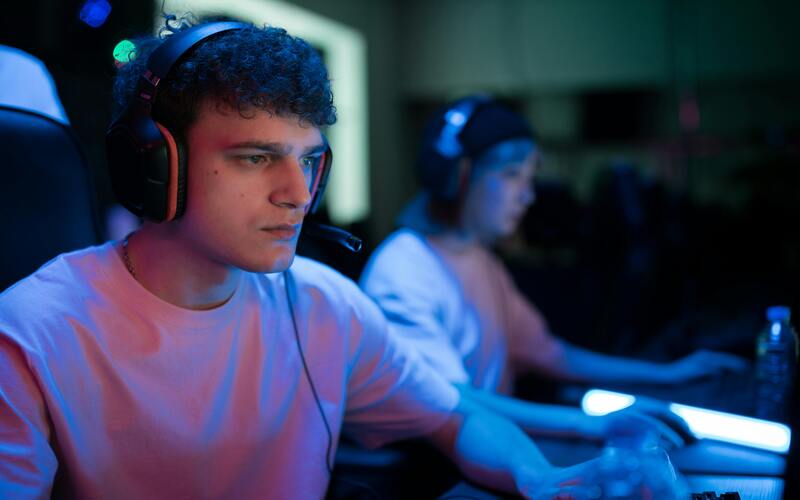
In practice, both indie and AAA games developers frequently partner with external agencies to support the localization process. This approach helps maintain language and context consistency, especially as the number of languages and markets increases.
Professional localization services help manage linguistic and cultural consistency across different markets.
Digital Trans Asia provides professional translation, interpretation, and localization services for businesses across Asia.
Conclusion
The main differences between indie and AAA game localization lie in the scale, resources, and adaptation strategies employed. AAA games require comprehensive localization to ensure global consistency, while indie games employ a more flexible and gradual approach. By understanding the characteristics of each, developers can choose the localization strategy that best suits their goals, budget, and target market, while bolstering the title's potential for global success.
Ready to Expand Your Game to Global Markets?
Whether you are developing an indie title or managing a large-scale AAA production, professional localization helps ensure your game connects naturally with players across different regions and cultures.
Digital-Trans Asia provides professional game localization, translation, and cultural adaptation services tailored for the gaming industry across Asia. From UI translation and subtitle localization to multilingual quality assurance, our team helps developers deliver immersive gaming experiences for international audiences.
Contact Digital-Trans Asia today to support your global game localization strategy with accurate, culturally relevant, and player-focused solutions.