Voice-Over Industry: 10 Categories for a Thriving Career
The voice-over industry has seen remarkable growth in recent years, driven by the proliferation of digital media, streaming platforms, podcasts, and interactive content. Once a niche sector, it now offers abundant opportunities for talented voice professionals. Industry forecasts suggest that the global voice-over market could exceed $7 billion by 2030, highlighting the expanding demand for skilled voices.
For both aspiring and experienced voice actors, recognizing the diverse categories within the industry is essential for building a sustainable and rewarding career. Here are 10 prominent voice-over categories to consider:
Commercial Voice-Overs
Commercial voice-overs remain one of the most visible and profitable segments. Brands rely on voice actors for television and radio commercials, social media campaigns, and online advertisements. A successful commercial voice must be versatile, conveying excitement, credibility, or warmth as required. Industry surveys show that over 60% of advertising agencies prefer specialized commercial voice talent, emphasizing its high value.
Meanwhile, most commercials run 15–30 seconds, which means the actor has only a moment to engage listeners and deliver the key message effectively. Every word counts. Besides, they must frequently switch between styles—energetic, authoritative, friendly, or humorous. It depends on the brand or campaign. Some can even voice multiple brands without audiences noticing it’s the same person.
In addition, with modern home studios and professional recording software, voice actors can audition and deliver work globally, expanding their reach far beyond local markets. To meet the demand, they also frequently adjust accents, tone, and phrasing to suit different regions or countries. Even for the same brand, a U.S. commercial may sound very different from one in the U.K.
Animation
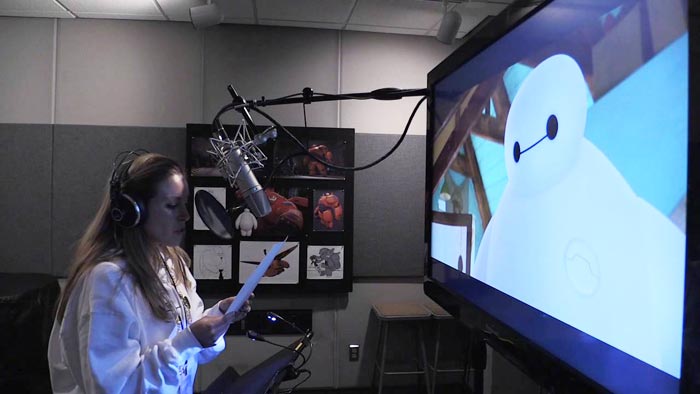
Animation offers voice actors vast creative freedom. From cartoons and animated films to international anime, actors bring characters to life with distinctive vocal performances. Success in this field depends on vocal flexibility, character consistency, and strong acting skills. With the animation market projected to reach $600 billion by 2030, demand for professional voice actors continues to grow.
Since directors often request several variations of a single line to capture subtle differences in tone, emotion, and pacing, voice actors frequently use gestures, facial expressions, and even full-body movements while recording to deliver authentic and emotionally resonant performances. While fun or quirky voices are memorable, top animation productions rely on strong acting skills—understanding emotion, timing, and storytelling—to truly bring characters to life.
Video Games
Video game voice acting has evolved beyond simple dialogue, often incorporating full performances alongside motion capture. The gaming industry, worth over $250 billion in 2024, requires actors who can deliver complex emotions, varied character voices, and immersive storytelling. Technical adaptability combined with strong acting ability is crucial for standing out in this competitive field.
For this voice-over industry, recording for games can be intense, involving battle cries, shouting, or emotional scenes repeated multiple times. Vocal stamina and proper technique are essential. In line, major games are translated into many languages. Voice actors in each region must capture the original emotion and intent while adapting to cultural nuances.
Audiobooks
Audiobooks have surged in popularity through platforms such as Audible, Scribd, and Google Play Books. Narrators must sustain long-form storytelling, differentiate characters, and maintain listener engagement. The global audiobook market is expected to surpass $50 billion by 2030, making skilled narration a key driver of the medium’s success.
Moreover, most audiobooks are performed by a single narrator, who must sustain multiple characters, pacing, and emotional shifts on their own. Thus, proper pronunciation, rhythm, and pacing are crucial. Any errors or uneven timing can distract listeners and reduce the overall quality.
Corporate & E-Learning Narration

Corporate training, online courses, and explainer videos increasingly rely on professional voices. Clear articulation, a professional tone, and engaging delivery are essential to hold the audience’s attention. Many voice actors in this category enjoy long-term contracts and steady work, providing a reliable foundation in a largely freelance-driven industry.
To support the role, voice actors adjust their style depending on the target audience—whether employees, students, or clients. Unlike animation or gaming, corporate narration prioritizes comprehension and professionalism over dramatic characterizations or expressive voices.
Many projects include industry-specific or technical material, requiring narrators to deliver terminology naturally and confidently. Meanwhile, modern home studios enable narrators to work remotely, making it easier to collaborate on corporate and e-learning projects worldwide.
Documentary Narration
Documentary voice-overs provide authority and depth, guiding viewers through historical, nature, or investigative content. A calm, confident, and compelling delivery is critical to enhance credibility. With the growing demand for original documentary content on streaming platforms, skilled narrators are highly sought after.
Furthermore, narrators sometimes study the subject matter to ensure accurate pronunciation, context, and understanding, enhancing the authenticity of their performance. The well-known one can lend credibility and attract audiences simply through their familiar voice, especially in nature or historical documentaries.
IVR & Telephony Systems
Interactive Voice Response (IVR), phone menus, and virtual assistants require clear, neutral, and friendly voices. While not as glamorous as animation or commercials, this category offers steady opportunities, particularly for actors with clear diction and regionally neutral accents.
To dive in this voice-over industry, a professional, approachable, and neutral voice is key. It should sound polite and reassuring to all callers without being overly expressive. Scripts may require repeated takes for clarity, timing, and tonal consistency, making vocal endurance important.
Podcasts & Audio Dramas
The podcasting boom has created new avenues for voice talent. Actors serve as hosts, narrators, or characters, requiring engaging storytelling skills, a natural conversational tone, and the ability to sustain listener interest. Mastery of pacing, tone, and emotional delivery distinguishes successful podcast voice professionals.
Audio drama actors frequently perform several characters in a single story, requiring distinct voices and consistent portrayal for each role. Hence, they must convincingly express emotions from subtle reactions to intense drama to keep listeners engaged and immersed in the story.
Furthermore, different genres demand different approaches. True crime podcasts require suspense and tension, while comedy audio dramas rely on timing, humor, and energy. With quality home studio setups, actors can participate in projects from anywhere, allowing collaboration with clients worldwide.
Dubbing & Localization
Global streaming has heightened demand for dubbing and localization. Voice actors adapt on-screen performances into different languages while preserving character integrity and cultural nuance. Success in this category requires precise timing, lip-sync accuracy, and strong acting skills.
Moreover, voice delivery differs by genre. Animated productions allow for exaggerated expressions, while live-action dramas call for subtle, natural performances. To deal with this voice-over industry, each line must be precise in meaning, timing, and pronunciation to ensure the story is preserved for the target language audience.
Promo & Trailers
Promotional spots for TV shows, movies, or live events demand attention-grabbing, dramatic, or energetic delivery. Trailer voice-overs, in particular, must immediately captivate audiences and convey urgency, making this one of the most competitive yet high-profile segments of the industry.
In this voice-over industry, actors must match their delivery to visuals, music cues, and pacing to maximize impact and maintain audience engagement. Meanwhile, directors often request several versions of a line or trailer, experimenting with tone, pace, and intensity to achieve the perfect effect.
Strategies for a Successful Voice-Over Career
A thriving voice-over career goes beyond having a pleasant voice. Professionals invest in vocal training, high-quality demo reels, home studios, and continuous skill development. Networking, industry exposure, and platforms like Voices.com, Voice123, and LinkedIn are essential for gaining visibility.
To complete, specializing in a niche while remaining flexible allows voice actors to navigate industry trends successfully. As demand for voice content continues to diversify, professionals with compelling, versatile voices are well-positioned for creative fulfillment and long-term growth in the voice-over industry. By exploring these ten categories, aspiring actors can strategically chart a path toward a prosperous voice-over career.
Ready to voice your global story? Partner with Digital-Trans Asia for expert dubbing, localization, and voice-over services across categories. From animation to podcasts, we ensure cultural resonance. Explore careers to join our talent or contact us today to start your project! Visit Digital-Trans Asia for more.