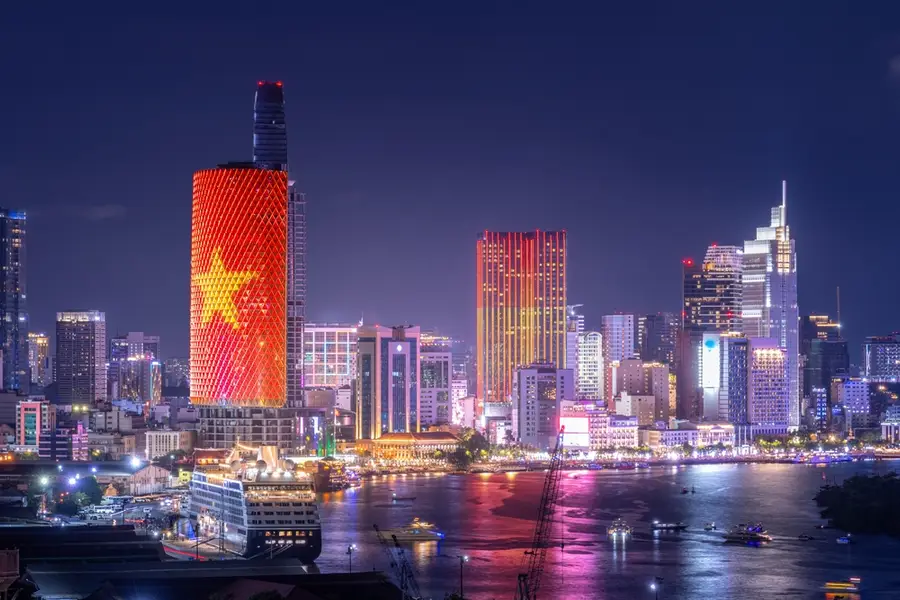
Why Vietnam's Rapid Gaming Growth Demands Advanced Localization
Over the past ten years, Vietnam's gaming industry has grown remarkably, evolving from an emerging market into one of the most vibrant digital ecosystems in Southeast Asia. Developers and publishers are finding that success in Vietnam involves more than merely translating text into Vietnamese, as millions of players enter the mobile, PC, and console gaming markets. It necessitates sophisticated localization techniques that take into account regional expectations, player behavior, culture, and monetization practices.
Hence, localization is no longer a supporting stage in the game development process. Rather, it is a strategic basis for player acquisition, engagement, and long-term retention as competition heats up and Vietnamese players gain sophistication. Studios hoping to succeed in this rapidly changing market must comprehend why Vietnam's explosive growth in gaming necessitates sophisticated localization.
What Is Localization for Vietnam's Gaming Growth?
Localization refers to the process of adapting a game to fit the linguistic, cultural, technical, and experiential expectations of a specific region or audience. Unlike basic translation, which focuses solely on converting language from one form to another, localization ensures that every aspect of the gaming experience feels natural and relevant to local players.
In the context of Vietnam's gaming growth, localization involves multiple layers, as follows:
- Language adaptation that reflects natural Vietnamese expressions, slang, and tone.
- Cultural alignment, ensuring visuals, references, humor, and narratives resonate with local audiences.
- User interface and user experience adjustments based on reading patterns and regional preferences.
- Monetization adaptation that aligns with local payment habits and economic behavior.
- Community engagement strategies tailored to Vietnamese gaming culture.
Vietnam's gaming ecosystem has expanded rapidly due to widespread smartphone adoption, affordable internet access, and a young, tech-savvy population. Players are exposed to global gaming standards, which means they expect high-quality localized experiences rather than generic translations.
Furthermore, Vietnam has a strong social gaming culture. Players value community interaction, competitive gameplay, and shared experiences. Advanced localization helps developers connect with these cultural dynamics, making games feel designed specifically for Vietnamese audiences rather than simply repackaged for import.
Why Is Localization for Vietnam's Gaming Growth Beneficial?
Advanced localization provides significant advantages for developers seeking to capitalize on Vietnam's gaming growth. Below are key benefits:
Improved player engagement
Games that use natural language, culturally relevant references, and familiar tone encourage players to feel emotionally connected to the content.
Higher retention rates
Localized tutorials, intuitive UI, and region-specific events help players understand mechanics quickly and remain invested longer.
Stronger monetization performance
Adapting pricing strategies, payment methods, and promotional campaigns to local expectations increases conversion rates.
Better community integration
Localization of social features, guild systems, and live events encourages stronger player communities.
Competitive differentiation
In a crowded marketplace, well-localized games stand out compared to poorly adapted competitors.
Compliance with regional regulations
Vietnam has specific regulatory requirements related to game content, data policies, and licensing. Localization ensures compliance while maintaining gameplay quality.
Successful live operations (LiveOps)
Regularly localized seasonal content, announcements, and updates keep players engaged and demonstrate commitment to the local audience.
Jump into an example, a global multiplayer game entering Vietnam might localize in-game jokes, redesign certain character elements to match cultural expectations, adjust reward systems based on player behavior, and align promotional messaging with local holidays and trends.
How Localization Process for Vietnam's Gaming Growth Works
Advanced localization requires a structured approach rather than ad-hoc translation efforts. Below is a typical process used by successful gaming companies:
Market Research and Cultural Analysis
Before localization begins, developers analyze Vietnamese player behavior, genre preferences, monetization trends, and cultural nuances. This step ensures strategic alignment.
Localization Planning and Strategy
Teams define localization scope, including language style guidelines, cultural adaptation goals, and technical requirements.
Translation and Linguistic Adaptation
Professional linguists adapt text while maintaining emotional tone, context, and gameplay clarity. Transcreation may be used to rewrite content creatively rather than translate literally.
Cultural Adaptation and Content Review
Visual elements, character names, references, humor, and narrative components are reviewed to ensure cultural relevance and avoid misunderstandings.
Technical Integration
Localization teams work with developers to implement localized content into UI systems, ensuring proper formatting, font compatibility, and seamless functionality.
Quality Assurance (LQA)
Linguistic quality assurance tests confirm that translations are accurate, contextually correct, and visually appropriate within gameplay environments.
Live Operations Localization
After launch, ongoing updates, events, patch notes, and community communications are continuously localized to maintain engagement.
After all, this structured process allows developers to maintain consistency while delivering a localized experience that feels authentic and polished.
Common Mistakes of Localization for Vietnam's Gaming Growth
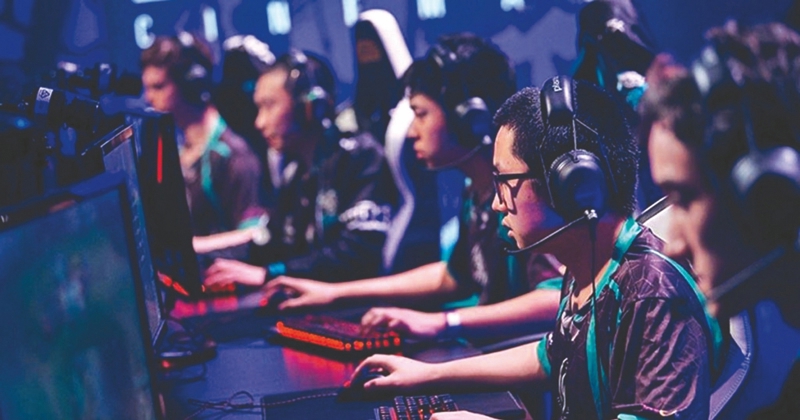
Despite understanding the importance of localization, many developers still face challenges when entering Vietnam's rapidly growing gaming market. Avoiding common mistakes can significantly improve success rates.
One major mistake is treating localization as a simple translation. Literal translations often fail to capture cultural tone or player expectations, resulting in awkward dialogue or confusing UI elements.
Another risk is ignoring regional gaming culture. Vietnamese players often prefer competitive and social features, and failing to adapt gameplay communication or event structures may reduce engagement.
Some studios underestimate technical localization challenges, such as text expansion, font compatibility, or UI layout issues. These technical problems can damage the user experience even if translations are accurate.
Additionally, insufficient testing is a frequent issue. Without proper linguistic QA within the live game environment, errors may only become visible after launch, affecting player trust.
Finally, many companies neglect post-launch localization. Vietnam's gaming market evolves quickly and ongoing updates require continuous adaptation to maintain relevance.
Why Is Vietnam Becoming Such a Crucial Gaming Market?
Vietnam has emerged as one of Southeast Asia's fastest-growing gaming markets due to several converging factors. The country has a young and digitally native population, with a large percentage of users under 35 who are highly engaged with online entertainment and mobile gaming. Rapid smartphone adoption and improving internet infrastructure have made games more accessible across urban and rural areas alike.
Additionally, Vietnam's growing middle class and expanding digital economy have increased consumer spending on digital content, including in-game purchases and subscriptions. The rise of esports communities, streaming platforms, and social media gaming culture has further strengthened player engagement.
Vietnamese players are also highly receptive to international titles, creating strong opportunities for global developers, but only when games feel culturally relevant and locally optimized. As competition increases, localization becomes a key differentiator for studios aiming to capture market share.
Is Translation Alone Enough to Enter the Vietnamese Market?
Translation alone is rarely sufficient for success in Vietnam's gaming ecosystem. While accurate language translation ensures basic comprehension, it does not address deeper cultural nuances or player expectations. Vietnamese gamers value natural dialogue, relatable humor, and contextualized storytelling, which often require transcreation rather than direct translation.
Advanced localization goes beyond words. It includes adapting user interfaces, gameplay tutorials, and communication styles to align with local reading habits and gaming preferences. For instance, tone and formality levels in Vietnamese language vary significantly depending on context, and poor linguistic choices can make a game feel unnatural or disconnected from local players.
Furthermore, localization must consider monetization approaches, event structures, and social features that resonate with Vietnamese gaming culture. Without these adjustments, even high-quality games may struggle to gain traction despite strong gameplay mechanics.
What Genres Benefit Most from Localization in Vietnam?
While all games benefit from localization, certain genres perform especially well when culturally adapted for Vietnamese audiences. Multiplayer online games, including MMORPGs and competitive shooters, thrive since they rely heavily on communication, teamwork, and community engagement. Localization ensures players clearly understand in-game instructions, cooperative mechanics, and social interactions.
Mobile RPGs also benefit significantly due to their narrative-driven content and character-based storytelling. Vietnamese players often respond positively to emotionally engaging narratives, making localized dialogue and culturally resonant storytelling essential for immersion.
Competitive and esports-oriented games require localized tutorials, matchmaking communication, and community events to foster engagement and loyalty. Social strategy games and live service titles also perform well when localized because regular updates, events, and seasonal campaigns can be aligned with local trends and cultural moments, creating a stronger emotional connection between players and the game.
How Often Should Games be Localized After Launch?
Localization should be treated as an ongoing process rather than a one-time task completed before release. Vietnam's gaming market evolves quickly, and player expectations shift alongside trends, updates, and community discussions. Continuous localization ensures that new content remains relevant and accessible.
Live operations (LiveOps) play a crucial role here. Seasonal events, promotional campaigns, new character releases, patch notes, and community announcements should always be localized simultaneously with global releases whenever possible. Delays in localization can make local players feel secondary to other regions, reducing engagement and retention.
Additionally, ongoing localization allows developers to refine tone and messaging based on player feedback and analytics. By continuously adapting content, developers demonstrate commitment to the Vietnamese community and maintain long-term player loyalty.
Does Localization Affect Monetization Success?
Localization has a direct impact on monetization performance. Payment preferences, pricing sensitivity, and promotional behavior vary significantly between markets, and Vietnam is no exception. Advanced localization helps developers align in-game stores, pricing models, and reward systems with local expectations, improving conversion rates.
For example, integrating widely used local payment methods and designing promotions around culturally relevant holidays or events can significantly increase engagement. Clear and persuasive localized messaging also helps players understand the value of in-game purchases, reducing friction during the buying process.
Moreover, trust plays an important role in monetization. Players are more likely to spend money in games that feel tailored to their culture and language, as this signals professionalism and long-term commitment from the developer. When localization enhances player experience, it naturally supports stronger revenue outcomes.
Accordingly, Digital-Trans Asia provides professional translation, interpretation, and localization services for business across Asia. As Vietnam's gaming market continues to expand, delivering a truly localized player experience requires more than basic translation. It demands cultural insight, linguistic precision, and ongoing adaptation.
Partnering with experienced language specialists can help developers navigate regional nuances, avoid costly localization pitfalls, and create immersive experiences that resonate with Vietnamese players from day one. If you are looking to strengthen your localization strategy and unlock new growth opportunities, connecting with a dedicated language service team can be the first step toward building deeper player engagement and long-term success in Vietnam's evolving gaming landscape.
Conclusion
The rapidly changing gaming market in Vietnam offers developers who are prepared to make the investment in cutting-edge localization techniques a plethora of opportunities. Simply translating a game into Vietnamese is no longer enough as players grow more discriminating and competition rises.
In accordance, localization helps close the gap between local experiences and global content. Developers can produce immersive experiences that captivate Vietnamese audiences by modifying language, culture, gameplay communication, monetization models, and community engagement tactics.
In the end, advanced localization is more about developing deep relationships with players than it is about breaking into a new market. Studios will be better positioned to attract Vietnam's expanding gaming audience, cultivate enduring loyalty, and achieve sustainable success in Southeast Asia's quickly growing gaming landscape if they acknowledge this shift and make localization a central component of their strategy.
Ready to localize your game for the Vietnamese market? Visit https://digital-trans.asia/ to learn more about our services. Contact us today to get started!