
How Method Acting Improves Dubbing Performance in Localization
In the evolving world of localization, dubbing has become more than simply translating dialogue since it creates emotional truth across cultures. As global content consumption continues to rise, audiences expect dubbed performances to feel as authentic as the original. This is where method acting in dubbing and advanced voice acting techniques play a crucial role.
The voice acting industry itself is expanding significantly due to demand from streaming platforms, gaming, and e-learning, with continuous growth reported across sectors . At the same time, research shows that emotional authenticity, rather than just technical accuracy, is a key factor in successful dubbing. How exactly does method acting elevate dubbing performance? Let’s break it down.
What Is Method Acting in Dubbing?
Method acting in dubbing refers to the application of immersive acting techniques—originating from the system developed by Konstantin Stanislavski—into voice performance. This approach encourages actors to deeply understand and emotionally connect with their characters rather than simply reading lines.
Traditionally, dubbing is defined as the process of replacing original dialogue with the target language, while maintaining the character’s identity and narrative impact. However, modern dubbing goes further as it requires actors to match not only timing and lip-sync but also emotional tone, personality, and cultural nuance.
Moreover, method acting supports this by helping voice actors internalize a character’s motivations, recreate emotional states authentically, and deliver lines that feel “lived-in” rather than performed.
The fact is, acting techniques that emphasize emotional experience can enhance empathy and cognitive understanding, both essential for believable performances.
What Are the Benefits of Method Acting in Dubbing?
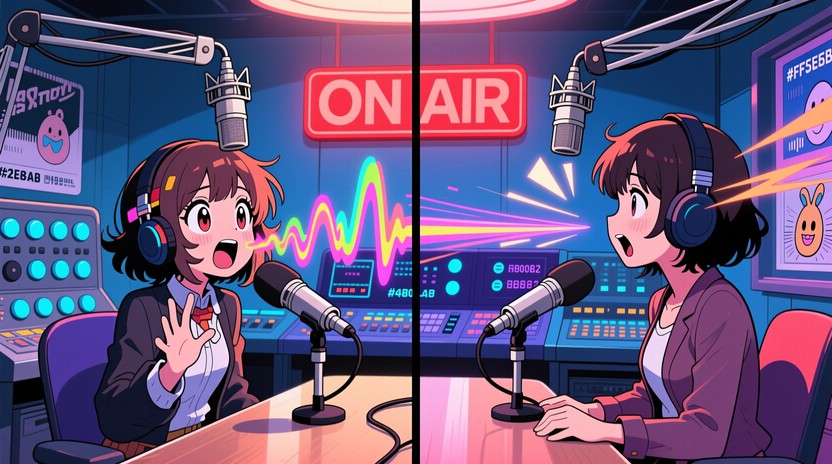
Applying method acting principles in dubbing offers several powerful advantages as follows:
- Enhanced emotional authenticity
Audiences connect more deeply when emotions feel real. Studies show that acting experience improves the perception of emotional genuineness in vocal performance.
- Stronger character consistency
Method acting helps maintain a consistent emotional arc across scenes, which is crucial in long-form content like TV series or games.
- Improved localization quality
Dubbing is cultural. Emotional accuracy ensures that localized content resonates with target audiences.
- Better audience immersion
Research on dubbing highlights that naturalness and emotional delivery often matter more than strict technical constraints like timing.
- Greater adaptability across genres
From animation to drama to gaming, method acting enables voice actors to shift seamlessly between emotional intensities.
- Higher industry competitiveness
With 72% of voice actors recommending ongoing training, mastering advanced techniques like method acting can significantly improve career prospects.
How Does Method Acting in Dubbing Work?
Here is how method acting in dubbing is typically applied in a professional workflow:
- Script and Character Analysis
The actor studies the localized script, identifying emotional beats, motivations, and relationships.
- Understanding Cultural Context
Localization requires adapting meaning across cultures. Actors must grasp how emotions are expressed differently in the target audience.
- Emotional Recall or Substitution
Actors draw from personal experiences or imagined scenarios to access genuine emotions that align with the character.
- Voice and Physical Embodiment
Even in a recording booth, actors often use body language and movement to influence vocal delivery.
- Performance Synchronization
The actor aligns emotional delivery with lip movements, timing, and original performance cues.
- Multiple Takes and Direction
Scenes are recorded several times with different emotional nuances until the best version is achieved.
- Refinement with Directors
Voice directors guide adjustments to ensure emotional accuracy and consistency within the localized version.
Common Mistakes of Method Acting in Dubbing
While method acting can significantly enhance dubbing performance, it also presents several challenges that actors need to manage carefully. One of the most common risks is over-immersion, where actors become too emotionally involved in their roles. This can lead to mental exhaustion or inconsistent delivery, especially if emotional recall is not handled properly.
Another issue is the tendency to overlook technical constraints. Dubbing requires precise timing and accurate lip synchronization, so focusing too heavily on emotional expression can result in mismatched delivery. Similarly, overacting is a frequent pitfall. Exaggerated performances often come across as unnatural, and industry professionals consistently emphasize that emotional authenticity is more crucial than simply having a distinctive voice.
Vocal health is another critical concern. Voice strain is common in the industry, with studies indicating that a large percentage of voice actors experience work-related vocal issues. Without proper care, this can affect both performance quality and long-term career sustainability.
Lastly, method acting is often misunderstood. Some believe it requires staying in character at all times, but in reality, it is a controlled and intentional technique. Actors must know when to engage deeply with a role and when to step back, maintaining a healthy balance between immersion and control.
Is Method Acting Necessary for All Dubbing Projects?
For straightforward or informational content—such as corporate videos, tutorials, or e-learning modules—basic voice acting techniques are often sufficient to deliver clear and effective communication. However, for narrative-driven content like films, animation, or video games, method acting can make a significant difference.
Can Beginners Use Method Acting in Voice Acting?
Beginners can absolutely explore method acting, but it is essential to approach it gradually. Jumping too deeply into emotional recall without proper guidance can lead to overacting or even emotional fatigue. Structured training, practice, and feedback from experienced coaches can help beginners apply method acting techniques in a controlled and effective way, building both confidence and skill over time.
Digital-Trans Asia provides professional translation, interpretation, and localization services for businesses across Asia. Delivering emotionally authentic dubbing requires more than just translation, as it demands the right blend of cultural insight, performance direction, and technical precision.
By partnering with a professional language service provider, you gain access to experienced linguists, skilled voice actors, and structured quality control processes that ensure every line feels natural, engaging, and true to the original intent.
Whether you are localizing films, games, or branded content, the right team can help you bridge language and emotion seamlessly, so your message resonates with audiences everywhere.
Does Method Acting Replace Traditional Voice Acting Techniques?
Method acting does not replace traditional voice acting techniques; rather, it enhances them. Core skills such as breath control, articulation, timing, and microphone technique remain essential for any dubbing performance. Method acting adds an extra layer by improving emotional delivery, but without strong technical fundamentals, even the most emotionally rich performance may not meet professional standards.
Conclusion
As the demand for high-quality localization continues to grow, dubbing is increasingly about translating emotions. This shift has made method acting in dubbing a valuable tool for delivering performances that resonate across cultures.
By combining emotional authenticity with refined voice acting techniques, voice actors can create immersive experiences that feel natural and engaging to global audiences. Backed by industry data and research, it is clear that authenticity, training, and emotional depth are now key differentiators in dubbing performance.
Ultimately, the future of dubbing lies in this balance: technical precision meets emotional truth. Method acting sits right at the heart of that transformation.
Need professional dubbing and localization services for your global content? Digital-Trans Asia helps businesses deliver emotionally authentic multilingual experiences through expert localization, voice acting, and translation solutions across Asia. Contact Digital-Trans Asia today to support your next localization project with professional quality and cultural precision.