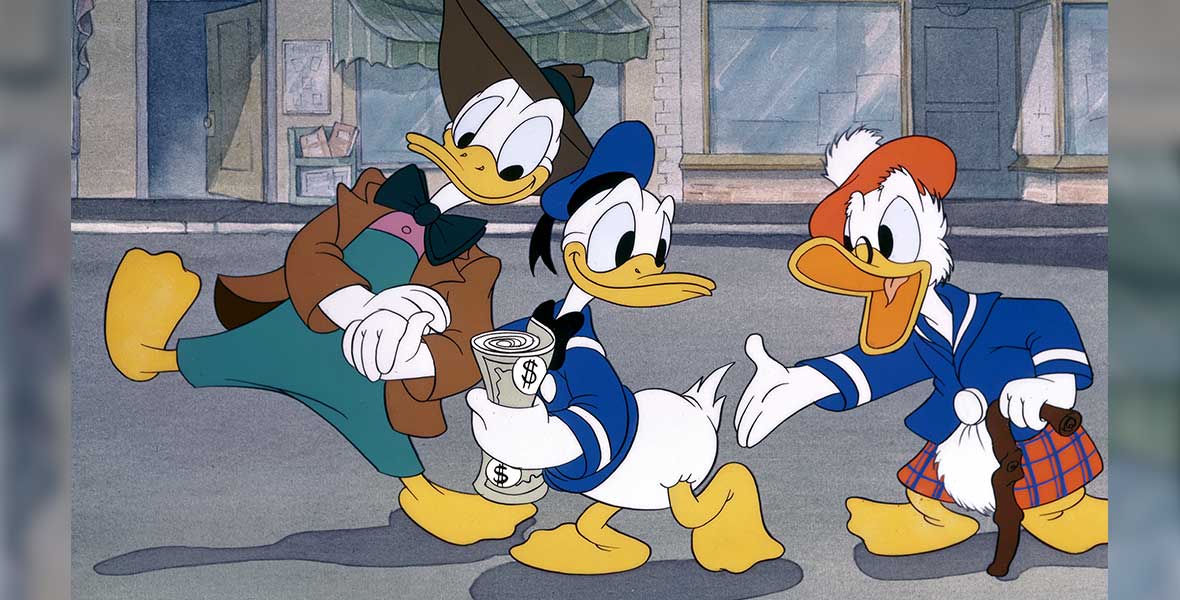
Translating Donald Duck: Humor, Quacks, and Localization in Comics
Comics have a remarkable way of traveling across languages and continents. Whether it's manga, American strips, or European classics, readers worldwide enjoy stories that came from somewhere else. Yet behind this worldwide popularity lies an often-overlooked craft: the meticulous work of adapting a comic so it feels familiar to local readers. This is where localization in comics quietly shapes the reading experience.
A fun and iconic example of this can be found in Donald Duck. His jokes, his temper, his expressive "quacks," and his slapstick energy create a humor style that doesn't simply translate word-for-word. To make the charm of his chaotic stories enjoyable in Indonesia, Italy, or Scandinavia, translators must do more than convert text. They often need to reconstruct the comedy itself.
This article explores how localization in comics works, why it's crucial, and what makes Donald Duck such a rich subject for examining this creative process. Scroll down to discover more.
Defining Localization in Comics
Translation transfers meaning, but localization adapts meaning. As a result, it fits the cultural and linguistic expectations of a new audience. Localization in comics often requires modifying not only dialogue, but also references, rhythm, sound effects, and visual context.
Hence, it may involve reworking jokes and idioms, changing names or puns to something culturally relevant, replacing sound effects with local onomatopoeia, adjusting cultural references, tweaking labels, signage, or small background details, and ensuring speech fits into limited balloon space.
Meanwhile, comics combine text and image tightly, so translators must work within the artistic boundaries already in place. Even a single word that's too long can disrupt the layout. Donald Duck, with his exaggerated emotions and humorous timing, brings extra layers of complexity to this work.
Donald Duck: A Global Icon With Local Flavor
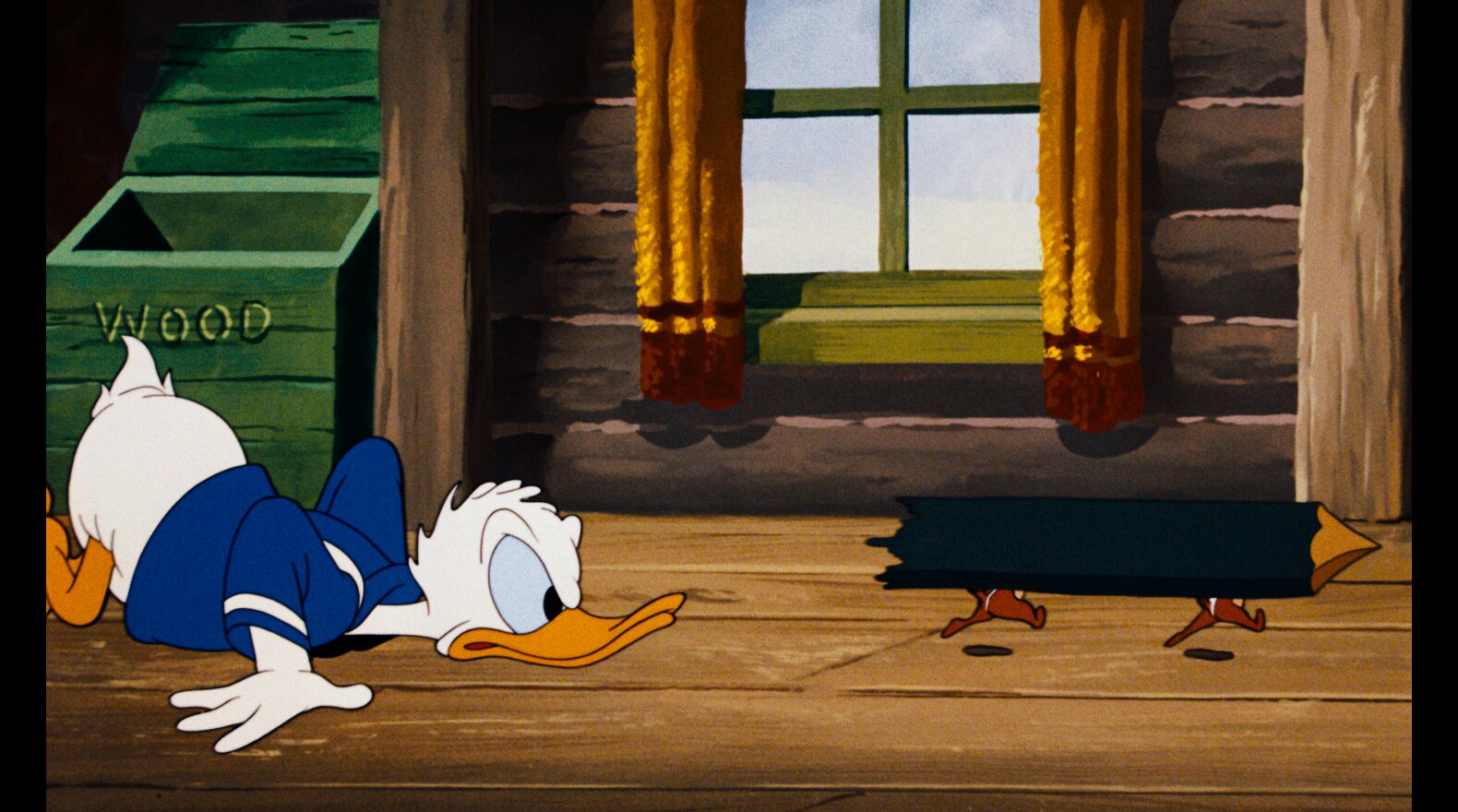
Donald Duck is a fascinating character from a localization perspective. Although he originated in the U.S., most of his readership today comes from abroad. In Italy, he has entire story universes and alternate identities. Meanwhile, in Nordic countries, weekly Donald Duck magazines are a cultural staple. Moving to the Netherlands, he's a beloved household figure.
Each country has developed its own unique voice for Donald Duck, shaped heavily by localization in comics. The goal is always the same: keep him recognizably himself, while making him sound like he belongs to the local language.
Humor: The Trickiest Beast to Translate
Humor rarely survives literal translation. This fits Donald Duck's comedy, which depends heavily on wordplay, puns, emotional exaggeration, cultural jokes, and comedic rhythm. Among these aspects, there is a classic problem about wordplay. Why so?
English puns often lose their impact when translated directly. Donald Duck might drop a line like, "Well isn't that just duck-y?" Translating this literally would remove the humor entirely. Localization teams must decide whether to invent a new joke that fits the moment, use a culturally equivalent pun, and rephrase the scene to preserve comedic effect. In other words, this process requires creative writing, not merely translation work.
Sound Effects: The Unseen Language of Comics
Sound effects in comics carry meaning as strongly as dialogue. Yet onomatopoeia varies dramatically between languages. For instance:
- English: splash
- Japanese: pasha
- Indonesian: byur
- Italian: ciap
Donald Duck comics use a wide range of noises, from quacks to explosions, and each one must feel natural to local ears. Localization teams must choose whether to keep the original SFX or adapt them so readers instantly "hear" what's happening. Thus, these choices influence immersion and reflect how deeply localization in comics shapes the reading experience.
Cultural Adaptation: Making the Story Feel Local
Localization addresses language differences and cultural expectations at the same time. In Donald Duck, there are two essential considerations in the process:
1. Character Names
Donald Duck's family members often have completely localized names. Changing names helps match local phonetics, readability, and humor for the target reader. Here are the examples:
- Donald → Paperino (Italy)
- Scrooge → Dagobert Duck (Germany), Zio Paperone (Italy)
- Huey, Dewey, Louie → Qui, Quo, Qua (Italy)
2. Cultural References
Certain jokes or references tied to American culture don't always resonate overseas. Localization may alter: holiday themes, sports references, food items, currency, and labels or signs in the artwork. Moreover, these changes make stories more engaging for local readers without altering the story's essence.
Fitting Dialogue Into Tight Spaces
Comics leave no room for long-winded sentences. If a target language typically uses longer phrasing, as Indonesian or German sometimes does, translators need to compress meaning. Furthermore, this often requires rewriting sentences creatively, shortening expressions, preserving tone and emotional cues, and staying true to character voice. The effectiveness depends on the economy of language.
Preserving Donald's Personality Across Languages
Donald Duck's appeal comes largely from his personality: dramatic, impatient, funny, loyal, often unlucky, always expressive. To maintain this across cultures, translators must make sure that his tone stays casual and emotionally rich, frustrations come out naturally, jokes feel spontaneous, and the voice never becomes too formal. Even one small misstep, such as using overly polite language, can weaken his character. To demonstrate this point, please take a look at the example below:
English: "Why does everything happen to ME?!"
Too literal Indonesian: "Kenapa semuanya terjadi pada SAYA?!"
Better localized version: "Duh! Kenapa sih harus aku lagi, aku lagi?!"
The last version of the translation carries Donald Duck's energy and comedic exasperation much more faithfully as the original text.
How It Works / Process
Localizing Donald Duck is a carefully staged creative process designed to preserve his charisma, humor, and unmistakable personality, no matter where in the world he quacks. Here is a behind-the-scenes look at how the workflow unfolds.
Step 1: Original Script Breakdown
The journey starts with the original script. Localization teams receive the English dialogue along with notes from Disney that explain the emotional tone, scene context, and character intentions. Since his humor relies heavily on wordplay and expressive outbursts, translators first break down the nuances, and decide which jokes can be adapted, which need cultural tweaks, and which require entirely new phrasing to feel natural to local audiences.
Step 2: Character Voice Adaptation
Next comes the character voice adaptation. Donald Duck has a highly distinctive vocal style, so translators work closely with voice actors who specialize in replicating his iconic "duck voice," all while delivering lines that match the timing and mouth movements. This often means adjusting sentence structure to preserve rhythm and comedic timing.
Step 3: Linguistic and Cultural Refinement
Then, the script undergoes linguistic and cultural refinement. Editors check whether the localized dialogue is clear, funny, and culturally appropriate. Puns may be reimagined; references may be swapped for ones that resonate better in the target country. The goal is not strict accuracy. It's emotional authenticity.
Step 4: Recording Session
Afterward, the recording session takes place under the guidance of a dubbing director. Multiple takes are done to capture the perfect blend of humor, timing, and Donald Duck's famously expressive squawks. Sound engineers then sync the audio with the animation, fine-tune effects, and polish the final result.
Step 5: Quality Review
Finally, a quality review ensures the localized version feels seamless. If Donald Duck makes local viewers laugh in the same way the original does, the team has succeeded.
Fun Facts About Donald Duck Localization
As a popular comic, Donald Duck has a distinctive "treat" in each country. For instance, in many European countries, his comics outsell most other titles. Meanwhile, Italy's Paperverse includes characters and stories unknown in the U.S and is portrayed as a fast-talking personality. On the other hand, the German version is more formal, while the Indonesian version is more expressive and humorous. In addition, some countries produce their own Donald Duck comics that never get published elsewhere. These examples show how strongly localization in comics influences global storytelling.
Why Localization in Comics Matters Now More Than Ever
Today's readers expect stories that resonate emotionally, regardless of where the comics originate. That means the translation should deal with these aspects: jokes must land naturally, dialogue must sound authentic, cultural elements must feel relevant, and artwork and text must blend seamlessly.
Without thoughtful process, comic stories can feel distant or confusing. Good localization ensures that characters remain universal, while still feeling uniquely adapted to each region.
Localization as a Form of Cultural Exchange
When a comic is localized well, it becomes more than a translated story as it becomes a bridge between cultures. Readers from different countries may grow up with the same characters, yet interpret them through unique local flavors. This enriches the global comic community. After all, localization doesn't erase the original. It expands it, helping stories live new lives across the world.
Digital Trans Asia provides professional translation, interpretation, and localization services for businesses across Asia.
Conclusion
Donald Duck demonstrates how wonderfully complex and rewarding localization in comics can be. Every joke, sound effect, and emotional line has been shaped by translators working behind the scenes to ensure the character feels just as lively across languages. The next time you read a comic and laugh at a clever line, remember that a localizer has crafted that moment with great care, so it resonates perfectly in your language.
Ready to localize your comics for Asian audiences? Visit https://digital-trans.asia/ to learn more about our services. Contact us today to get started!