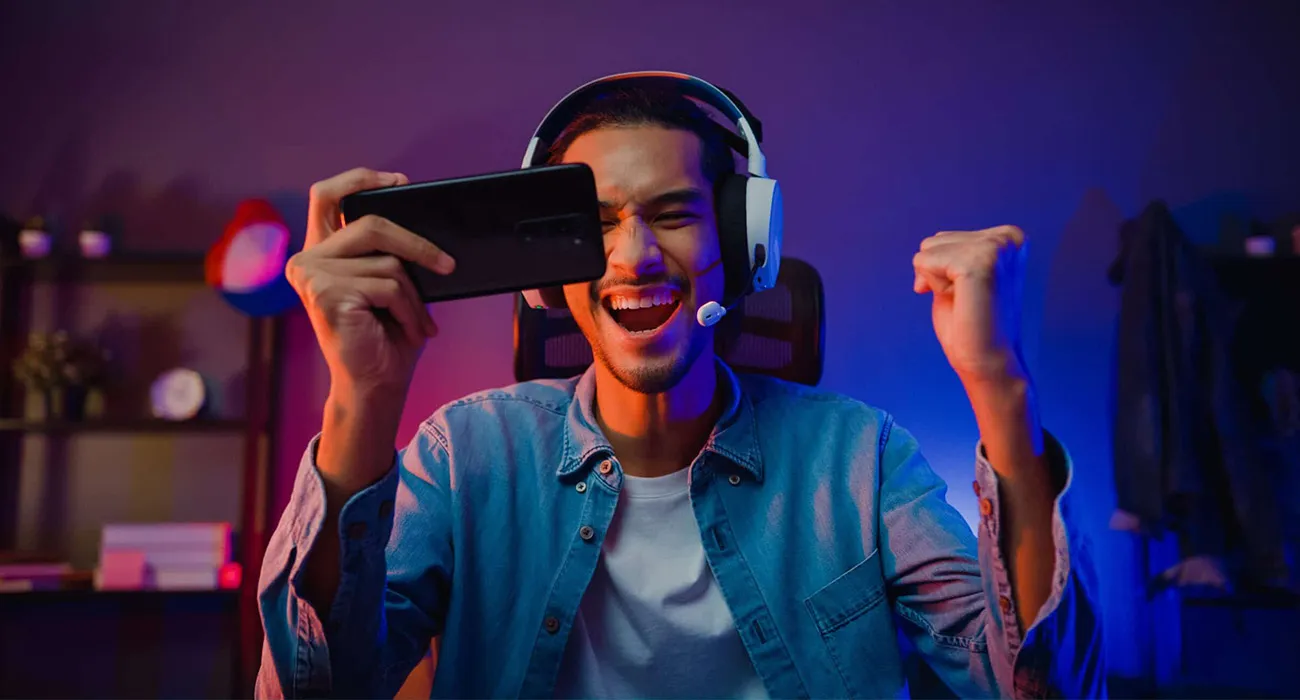
Why Mobile-First Gaming in Thailand Calls for Strategic Localization
One of the most vibrant digital markets in Southeast Asia is Thailand. In this country, mobile gaming is no longer a supporting sector of the industry due to its burgeoning, highly connected population and robust esports culture. For international publishers and developers seeking growth in the region, understanding the value of localization is essential to implementing a savvy strategy.
Thailand disproves the notion held by many businesses that a straightforward translation is sufficient to break into a new market. Mobile-first audiences anticipate socially relevant, technically optimized, and culturally appropriate content. The link between local resonance and global ambition is strategic localization.
This article explores what localization truly means in the Thai mobile gaming landscape, why it matters, how it works, common pitfalls to avoid, and answers to frequently asked questions.
What Is Strategic Localization for Mobile Gaming In Thailand?
Localization goes beyond literal translation. It is the comprehensive adaptation of a product—across languages, visuals, cultural references, gameplay elements, monetization systems, and user interface—to meet the expectations and habits of a specific market.
In the context of mobile gaming in Thailand, localization includes:
- Translating in-game text into natural Thai (not overly formal or robotic).
- Adjusting humor, character names, and cultural references.
- Optimizing UI/UX for Thai reading patterns.
- Adapting payment methods to local preferences.
- Aligning marketing messages with Thai gaming culture.
After all, localization ensures that players feel like the game was made for them, not simply exported to them.
Why Is Thailand a Mobile-First Market?
The gaming industry in Thailand is mostly driven by mobile devices. Thai gamers heavily rely on smartphones for gaming because of their affordability, accessibility, and convenience in contrast to markets where consoles and PCs are more common.
In the meantime, Thailand's high smartphone penetration and robust social media usage are the main causes of the mobile-driven phenomenon. This trend is reinforced by the popularity of streaming and esports, along with a strong preference for free-to-play and microtransaction-based business models.
There are high expectations for a seamless experience as mobile devices are ingrained in daily life. Retention rates can be instantly impacted by poor translation, culturally offensive material, or perplexing user interface.
The Benefits of Strategic Localization for Mobile Gaming In Thailand
Strategic localization in mobile gaming in Thailand delivers measurable advantages as follows:
Higher Player Retention
Players are more likely to stay engaged when dialogue, tutorials, and UI feel intuitive and culturally natural.
Improved Monetization
Adapting in-app purchase flows to include preferred local payment systems increases conversion rates.
Stronger Community Engagement
Games that incorporate Thai cultural elements, events, or festivals build stronger player loyalty.
Better App Store Visibility
Optimized Thai-language descriptions and keywords improve discoverability in local app stores.
Enhanced Brand Reputation
Respecting local culture and language builds long-term trust with Thai audiences.
Reduced Support Costs
Clear localized instructions reduce misunderstandings and customer service inquiries.
Moreover, real-world use cases include:
- Launching a global RPG in Thailand with localized mythological references.
- Adapting esports marketing campaigns to Thai streaming culture.
- Customizing seasonal in-game events to align with Thai holidays like Songkran.
How the Strategic Localization Works for Mobile Gaming In Thailand

Strategic localization for mobile gaming in Thailand typically follows the steps as follows:
Market Research & Cultural Analysis
Analyze Thai gaming preferences, popular genres, monetization trends, and cultural nuances. Understand tone sensitivity, slang usage, and humor styles.
Localization Planning
Define scope: text translation, voice-over, UI adaptation, graphics modification, payment integration, compliance review.
Professional Thai Translation & Transcreation
Use native linguists who understand gaming terminology and Thai youth culture. Transcreation may be required for marketing slogans or narrative dialogue.
Cultural Adaptation of Content
Adjust imagery, symbols, colors, and references that may not resonate or could be misinterpreted in Thailand.
Technical Implementation
Integrate localized text, ensure font compatibility with Thai script, adjust UI spacing, and test for mobile readability.
Localization Testing (LQA)
Perform linguistic and functional testing to detect truncation, layout issues, mistranslations, or cultural mismatches.
Soft Launch & Community Feedback
Release to a limited Thai audience to gather data and feedback before full-scale launch.
Ongoing Updates & Community Management
Maintain localization quality with updates, patch notes, seasonal events, and player communication in Thai.
Common Mistakes of Strategic Localization for Mobile Gaming In Thailand
Even experienced developers can make critical errors when entering the highly competitive landscape of mobile gaming in Thailand. One of the most frequent missteps is confusing translation with true localization. Simply converting text from source language to target language without adapting it to Thai cultural nuances often produces dialogue that feels unnatural or overly rigid. Because Thai language relies heavily on contextual politeness levels and subtle tone variations, failing to account for these elements can significantly weaken immersion and emotional connection.
Another common oversight involves ignoring local payment preferences. Thailand's mobile gaming ecosystem depends strongly on convenient, locally trusted payment methods. When developers do not integrate these options into their monetization systems, they risk limiting in-app purchase conversions and reducing overall revenue potential.
Technical issues also arise when font and user interface adjustments are overlooked. Thai script generally requires more space both vertically and horizontally compared to Latin-based languages. Without thorough UI adaptation and testing, text may overlap, appear cramped, or become difficult to read, ultimately affecting user experience and retention.
Cultural insensitivity presents an additional risk. Imagery, humor, symbols, or references that may seem harmless in one region can be misunderstood or perceived as inappropriate in Thailand. Such missteps can trigger negative reactions from players and damage brand reputation.
Finally, underestimating the importance of community engagement can hinder long-term growth. Thai gaming communities are highly active across social platforms and streaming channels. Without localized community management and culturally relevant communication strategies, developers may struggle to build loyalty and maintain meaningful relationships with players.
Is English Proficiency In Thailand High Enough to Skip Localization?
While English is taught in schools and many Thai gamers understand basic gaming terminology, this does not automatically translate into deep engagement. Players may be able to navigate menus or understand simple instructions in English, but storytelling, humor, emotional dialogue, and character development often lose their impact when not presented in Thai.
Furthermore, mobile gaming in Thailand is highly competitive and players have many localized alternatives to choose from. When a game offers Thai-language content that feels natural and culturally aligned, it creates stronger immersion and emotional attachment. This directly influences retention rates, session length, and in-app purchase behavior.
In short, relying solely on English may allow functional gameplay, but it rarely builds loyalty or long-term monetization success.
Does Localization Significantly Increase Development Costs?
Localization does introduce additional upfront expenses, including professional translation, cultural adaptation, testing, and potential UI adjustments. However, viewing localization purely as a cost can be misleading. In Thailand's mobile-first ecosystem, where user acquisition costs are rising, retaining players is far more cost-effective than constantly acquiring new ones.
Strategic localization improves player satisfaction, reduces churn, increases conversion rates for in-app purchases, and strengthens brand reputation. Over time, these benefits typically outweigh the initial investment. Instead of being an optional add-on, localization should be considered part of market entry strategy, especially for developers seeking sustainable growth in Thailand's mobile gaming market.
In accordance, Digital-Trans Asia provides professional translation, interpretation, and localization services for business across Asia. Strategic localization that genuinely engages players is necessary to enter Thailand's booming mobile gaming market. Every little thing affects revenue and retention, from localized marketing campaigns and UI optimization to culturally sensitive Thai language adaptation.
Working with a seasoned language service provider can mean the difference between a successful launch and a simple one if you intend to expand your game in Thailand and want to make sure it appeals to local audiences.
Let's work together to transform international content into an engaging local experience. Get in touch to find out how customized localization services can help your Thai mobile gaming strategy.
How Long Does Localization for Mobile Gaming Typically Take?
The timeline for localization depends largely on the scope and complexity of the game. A smaller casual mobile title with limited narrative content might complete translation and testing within a few weeks. However, story-driven RPGs, multiplayer titles, or live-service games require more extensive linguistic work, UI adaptation, voice-over recording (if applicable), and multiple rounds of localization quality assurance (LQA).
Additionally, Thai script formatting and layout testing can add technical steps that must not be rushed. If marketing assets, app store descriptions, and community materials are also being localized, this extends the timeline further. For larger projects, the process may take several months to ensure both linguistic accuracy and technical functionality.
Should Marketing Campaigns Also Be Localized?
Marketing localization is equally important as in-game localization. Thai digital culture has its own humor styles, influencer ecosystems, slang trends, and platform preferences. Campaign messages that perform well in Western markets may not resonate in Thailand without adaptation. Collaborating with Thai content creators, aligning promotional timing with local festivals or events, and adjusting tone for social media platforms can significantly improve engagement rates. App store optimization (ASO) in Thai also enhances discoverability.
In the end, successful mobile gaming in Thailand requires a holistic approach: localizing not simply gameplay content, but also marketing communication to create a cohesive and culturally relevant player experience.
Conclusion
For international developers, the growth of mobile gaming in Thailand offers a significant opportunity, but market entry is not the only factor that will determine its success. It necessitates thoughtful localization that incorporates community knowledge, language, culture, and technology.
A foreign product becomes a local experience through localization. It fosters emotional ties, improves retention, and promotes long-term growth. Strategic localization is more than merely a competitive advantage in a mobile-first market like Thailand, where players have high expectations and competition is fierce.
Investing in thorough localization is the best strategy for businesses looking to enter Thailand's booming mobile market, turning downloads into devoted customers and revenue into sustained success.
Ready to localize your mobile game for the Thai market? Visit https://digital-trans.asia/ to learn more about our services. Contact us today to get started!