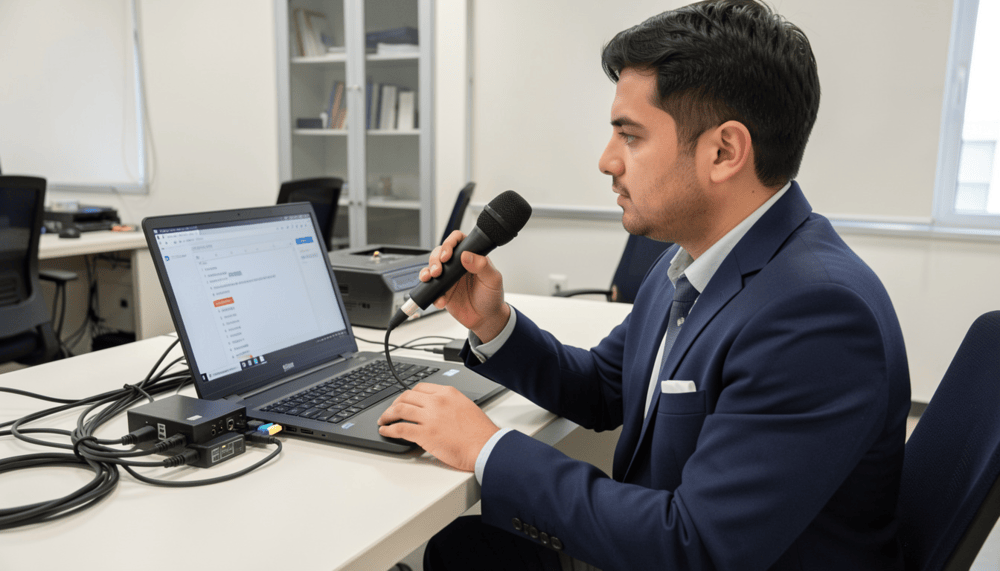
Budget-Friendly Tips for Sourcing Professional On-Site Interpretation Equipment
On-site interpretation equipment refers to a specialized category of tools used to provide interpreters with the means to effectively transmit auditory content without interference or degradation. The right equipment plays a critical role in guaranteeing optimal efficiency.
What Is On-Site Interpretation Equipment and Why It Matters
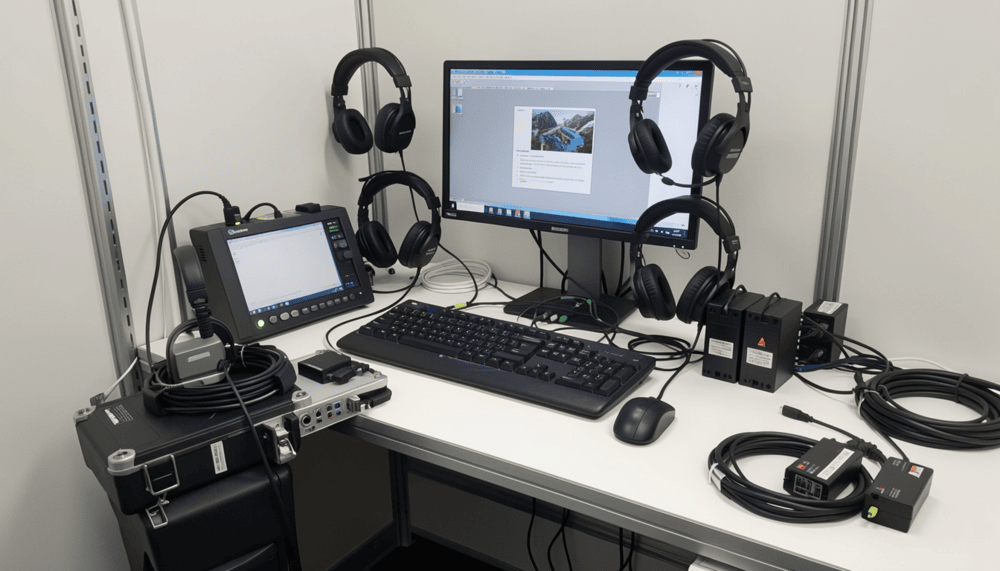
This equipment encompasses all technical tools needed to facilitate live interpretation. On-site interpretation equipment is used in conferences, governmental meetings, court hearings, visiting factories, and international business meetings. Basic components within an on-site interpretation equipment setup include an interpreter console, microphone, transmitter, receiver, headset, and booths.
The equipment used for professional on-site interpretation is also distinct from the standard equipment used for traditional audio systems, especially when it comes to the handling of multiple language channels with minimal latency.
According to the International Association of Conference Interpreters, the quality of the equipment is also an important aspect when it comes to the performance of the interpreters themselves. :contentReference[oaicite:0]{index=0}
Where Professional On-Site Interpretation Equipment Adds the Most Value
The value of on-site interpretation equipment becomes most evident in environments where linguistic diversity, specialized terminology, or formal decision-making processes are involved. In these settings, clear and uninterrupted communication is essential, as even minor misunderstandings can affect outcomes, compliance, or safety.
Professional on-site interpretation equipment is commonly used in the following scenarios:
-
International conferences that require simultaneous interpretation across multiple languages to ensure all participants receive information simultaneously without delays.
-
Corporate board meetings involving multinational stakeholders, where strategic discussions and financial decisions depend on precise language transfer.
-
Legal proceedings such as court hearings, arbitration sessions, or contract reviews, where accuracy is a legal mandate, and misinterpretation can have serious consequences.
-
Government or diplomatic events that follow formal protocols and demand consistent terminology, confidentiality, and high audio reliability.
-
Industrial site visits that include technical explanations or safety briefings, where clear instructions are critical to prevent operational risks.
-
Training sessions for multicultural workforces, particularly in regulated industries, where standardized understanding supports productivity and compliance.
From a budget perspective, selecting the right on-site interpretation equipment helps organizations achieve communication clarity while reducing the risk of costly misunderstandings, operational delays, or reputational issues. Investing in appropriate systems often proves more cost-effective than addressing errors caused by inadequate interpretation infrastructure.
Also read: The Rise of Thai Voice-Over: Bringing Authentic Voices Worldwide
How On-Site Interpretation Equipment Functions During Live Events
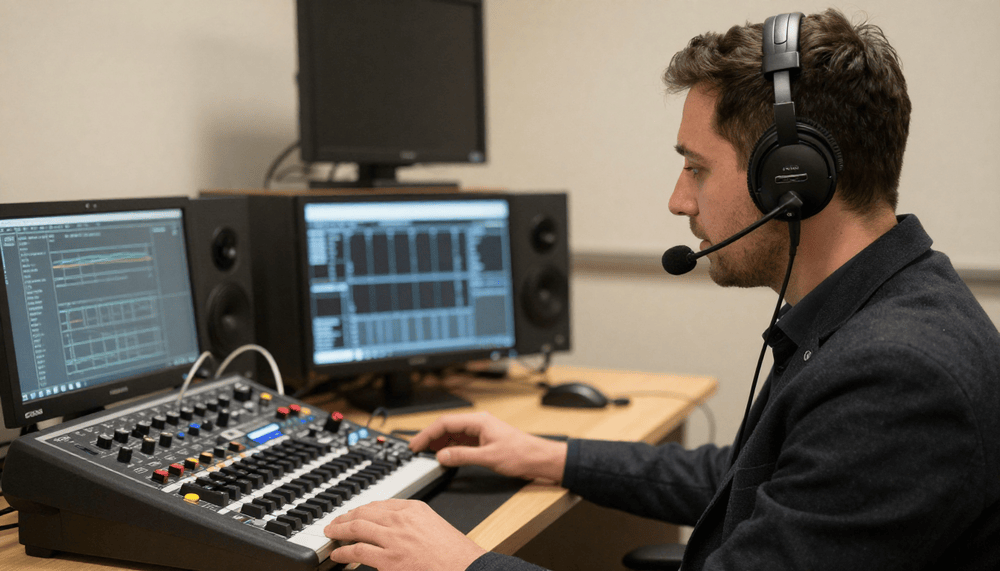
On-site interpretation equipment enables real-time multilingual communication by transmitting interpreted speech directly from interpreters to participants. The system operates through a coordinated audio workflow designed to maintain clarity, accuracy, and minimal delay throughout live events.
Interpreters speak into microphones connected to dedicated interpreter consoles, where audio levels and language channels are controlled. The interpreted speech is then transmitted via infrared, FM, or digital radio systems to wireless receivers used by attendees. Participants select their preferred language channel and listen through headsets, allowing multiple languages to be delivered simultaneously without interference.
Throughout the event, technical staff monitor signal strength, sound quality, and system stability to prevent disruptions. Backup components are often prepared to ensure continuity, as uninterrupted audio transmission is essential for effective interpretation during conferences, legal proceedings, and corporate meetings.
Smart Ways to Reduce Costs Without Compromising Quality
Sourcing on-site interpretation equipment on a limited budget requires strategic prioritization rather than across-the-board cost-cutting.
Rent Equipment for Short-Term or One-Off Events
Renting on-site interpretation equipment is often the most economical option for events that occur infrequently. Rental providers handle maintenance, testing, and upgrades, which reduces long-term ownership costs.
Align Equipment Choice With Event Scope
Small meetings do not require the same transmission power or receiver volume as large conferences. Accurate audience estimates help prevent overspending on excess on-site interpretation equipment.
Focus on Audio Clarity Over Advanced Features
Clear sound transmission is more important than premium features that may not be used. Investing in reliable headsets and stable transmitters typically yields better results than investing in unnecessary system complexity.
Use Portable Systems for Flexible Environments
Portable on-site interpretation equipment is well-suited for factory tours, site inspections, and mobile events. These systems are often more affordable and adaptable than fixed installations.
Standardize Equipment to Avoid Compatibility Issues
Using standardized components across microphones, receivers, and transmitters minimizes integration issues and replacement costs.
Organizations that take a structured approach to sourcing on-site interpretation equipment often achieve professional outcomes while staying within budget.
Practical Insight for Event Planners
Event organizers who regularly manage multilingual meetings benefit from early technical planning. Aligning interpretation needs with venue conditions and audience size helps avoid last-minute equipment upgrades that increase costs. Consulting experienced language service providers at the planning stage often results in more efficient use of on-site interpretation equipment and smoother event execution.
Also read:Should Names Be Translated? Key Factors to Consider for Global Brands
Costly Errors to Avoid When Sourcing Interpretation Equipment
Budget constraints can lead to avoidable mistakes if technical requirements are underestimated.
Common risks include:
- Using consumer-grade audio devices instead of professional on-site interpretation equipment
- Underestimating the number of receivers required for participants
- Ignoring potential signal interference from lighting or wireless networks
- Failing to prepare backup transmitters or power supplies
- Neglecting interpreters’ working conditions, such as sound isolation
According to the European Commission’s Directorate-General for Interpretation, inadequate audio quality significantly reduces interpretation accuracy and listener comprehension. These risks often result in higher indirect costs than investing in suitable on-site interpretation equipment from the outset.
Technical Standards and Compliance Considerations
Professional on-site interpretation equipment must meet recognized technical standards to ensure performance and safety. International guidelines published by organizations such as ISO and the International Association of Conference Interpreters emphasize sound clarity, low latency, and interpreter ergonomics.
Compliance is especially important for legal, governmental, and regulated industry events. Equipment that does not meet accepted standards may result in rejected proceedings, repeated sessions, or legal challenges. Budget planning should therefore account for minimum technical compliance, not just initial cost.
Renting vs. Buying On-Site Interpretation Equipment
Deciding whether to rent or buy on-site interpretation equipment depends on the frequency of use and long-term planning. Renting is generally more cost-efficient for one-time events or occasional multilingual meetings. Rental packages often include setup, testing, and technical support, reducing the operational burden.
Buying on-site interpretation equipment may be justified for organizations that host frequent multilingual events. Ownership allows greater control over scheduling and equipment availability but requires ongoing maintenance, storage, and periodic upgrades. From a budget perspective, renting remains the preferred option for most organizations unless usage is consistent throughout the year.
How Early Planning Reduces Interpretation Equipment Costs
Early planning is one of the most effective ways to reduce costs related to on-site interpretation equipment. Last-minute sourcing often leads to limited availability, higher rental rates, and rushed technical setups.
By confirming languages, audience size, venue layout, and session duration in advance, organizations can select appropriate equipment configurations and avoid premium charges. Early coordination with interpreters and technical providers also ensures compatibility between language services and equipment systems.
When to Combine On-Site Interpretation Equipment With Remote Solutions
Hybrid events have increased demand for combined interpretation setups. In some cases, on-site interpretation equipment can be supplemented with remote interpretation platforms to reduce physical equipment requirements.
This approach is suitable for events with limited on-site audiences but remote participants. However, hybrid setups still require careful technical coordination to ensure audio quality remains consistent across channels. Cost savings should be balanced against potential complexity.
Also read: Complete Guide to Sworn Translators: Tasks and Legality
FAQ about On-Site Interpretation Equipment
-
What types of events require on-site interpretation equipment?
On-site interpretation equipment is required for conferences, legal proceedings, government meetings, training sessions, and any in-person event involving multilingual participants. -
Is buying on-site interpretation equipment more cost-effective than renting?
Buying may be cost-effective for organizations that host frequent multilingual events. Renting is usually more economical for occasional or short-term needs. -
How many receivers should be prepared for an event?
It is recommended to prepare 10 to 15 percent more receivers than the expected number of participants to account for technical issues or unexpected attendees. -
Does venue size affect equipment selection?
Yes. Larger venues require stronger transmitters and signal coverage, while smaller rooms can use simpler on-site interpretation equipment setups. -
Can portable systems replace traditional interpretation booths?
Portable systems can replace booths for low-noise environments or short sessions, but booths remain the standard for long-duration or high-noise environments.
Conclusion
Sourcing professional on-site interpretation equipment on a limited budget is achievable through careful planning, realistic needs assessment, and informed decision-making. By prioritizing audio clarity, system compatibility, and event-specific requirements, organizations can support accurate multilingual communication without unnecessary expenditure. Well-chosen on-site interpretation equipment protects both communication quality and operational efficiency.
Digital Trans Asia provides professional translation, interpretation, and localization services for businesses across Asia. For organizations planning multilingual events, aligning equipment decisions with professional language support helps ensure clear, compliant, and effective communication.
To explore suitable solutions for upcoming events, contact us for further discussion on how we can help your business.
Ready to optimize your multilingual events with expert interpretation equipment solutions? Visit https://digital-trans.asia/ to learn more about our services. Contact us today to get started!