Why Dubbing Feels More Personal to Southeast Asia Audiences
Streaming platforms across Southeast Asia have changed how audiences consume entertainment. From Korean dramas to Chinese short dramas and Western streaming content, viewers increasingly prefer experiences that feel emotionally relatable and culturally familiar. One principal factor behind this trend is dubbing.
Today, dubbing goes beyond simple translation as it offers a deeply personal and immersive experience. Through effective voice localization and cultural adaptation strategies, dubbed content helps audiences connect more deeply with characters, humor, and emotional storytelling without relying heavily on subtitles. Streaming platforms such as Vidio have reported tens of millions of active viewers in Indonesia, demonstrating the scale of audience demand for localized entertainment content.
What Is Dubbing for Streaming Platforms?
Dubbing is the process of replacing original spoken dialogue in films, dramas, animation, or digital content with translated voice recordings in the target language. Additionally, it allows viewers to focus entirely on visuals and emotional performance without dividing attention between reading and watching.
In Southeast Asia, successful dubbing involves cultural adaptation techniques that align dialogue with local communication styles, humor, emotional tone, and audience expectations.
Many Korean dramas released on streaming platforms now offer dubbed versions in Bahasa Indonesia and Thai to better serve local audiences. Rather than translating every line literally, dubbing teams adapt expressions, emotional delivery, and conversational rhythm so the dialogue feels natural to native speakers. A heartfelt confession, for instance, may be rephrased using everyday local expressions that convey the same level of intimacy while sounding authentic to Indonesian or Thai viewers.
In a Korean romance, the original line “I missed you,” may be dubbed into Indonesian as “Aku kangen banget sama kamu.” instead of the more literal “Aku merindukanmu.” The first version sounds warmer and more conversational, making the reunion scene feel more genuine to Indonesian viewers.
For example, when a Korean character teases a close friend with “You are impossible!”, a literal translation might sound overly harsh. In Indonesian dubbing, it could become “Ya ampun, kamu ada-ada aja.” The meaning remains playful, but the tone feels much more natural for Indonesian audiences.
These examples demonstrate that emotionally authentic dubbing is especially crucial: audiences process emotions through familiar accents, speech rhythms, and culturally understandable expressions.
Furthermore, the entertainment consumption in Southeast Asia is highly mobile-first. Many viewers watch dramas while commuting, multitasking, cooking, or relaxing after work. Dubbing supports these viewing habits since audiences can continue following the story without constantly reading subtitles on small screens.
According to Media Partners Asia, Southeast Asia’s premium streaming market surpassed 61 million paid subscriptions in 2025, showing strong regional demand for digital entertainment.
Similarly, research from DataReportal (2025) shows that Southeast Asia is home to over 500 million internet users, with mobile devices accounting for the vast majority of online video consumption. This mobile-first behavior drives demand for high-quality dubbed content that viewers can enjoy on the go without relying on subtitles.
What Are the Benefits of Dubbing for Streaming Platforms?
Dubbing offers several advantages for streaming platforms, production companies, and audiences across Southeast Asia. Here are some of the key benefits:
-
Creates stronger emotional immersion
Familiar voice tones, natural local expressions, and culturally appropriate emotional delivery help viewers connect more deeply with the characters. Instead of concentrating on reading subtitles, audiences can fully experience facial expressions, background details, and the emotional flow of each scene.
-
Boosts accessibility
Dubbing makes content more accessible for a broader range of viewers, including children who may not read quickly, older audiences who prefer listening over reading subtitles, and people with reading difficulties. It also provides a more comfortable viewing experience for multilingual audiences with varying levels of proficiency in the original language.
-
Supports mobile-first viewing behavior
Many Southeast Asian viewers watch content on smartphones while commuting, eating, or completing everyday tasks. Since dubbed dialogue can be understood without constantly looking at subtitles, audiences can follow the storyline more easily, making dubbed content particularly well suited to mobile-first viewing habits.
-
Enhances cultural relatability
Through cultural adaptation techniques, jokes, family dynamics, emotional expressions, and everyday conversations can be modified to better match local communication styles. This helps the story feel more authentic while preserving the creator’s original intent.
-
Increases audience retention
When viewers can follow dialogue naturally and feel emotionally connected through localized voice performances, they are more likely to continue watching. This often leads to higher completion rates, longer watch times, and stronger binge-watching behavior on streaming platforms.
-
Expands market reach
Dubbed content can appeal to viewers who typically avoid subtitle-heavy programming, opening opportunities to reach broader audience segments across Southeast Asia. This allows streaming services and content owners to increase their regional audience without changing the core storyline.
-
Strengthens character attachment
Consistent, high-quality voice acting helps audiences associate recognizable speech patterns, personalities, and emotional expressions with each character. Over time, this familiarity strengthens emotional investment, making viewers more likely to return for future episodes or recommend the series to others.
Key Formats and Content Types That Benefit Most:
- Korean dramas localized into Bahasa Indonesia or Thai
- Chinese short dramas distributed across Southeast Asian streaming platforms
- Anime and animated content for younger viewers
- Mobile-first vertical dramas
- Family-oriented streaming content
- Romantic dramas requiring strong emotional delivery
- Educational entertainment and children’s programming
How Dubbing for Streaming Platforms Works
Professional dubbing involves multiple steps to ensure the final result feels natural and emotionally authentic for local audiences. Here is the workflow:
1. Script Translation
The original dialogue is translated into the target language while preserving emotional intent and narrative meaning.
Literal translation is rarely enough. Translators often adapt idioms, humor, and emotional phrasing to fit local communication styles.
For instance, emotional expressions in Korean or Mandarin may require softer or more indirect wording when adapted for Indonesian audiences.
2. Cultural Adaptation
This stage focuses on cultural adaptation SEA strategies. The localization teams evaluate several aspects, including humor relevance, social hierarchy references, romantic expressions, family communication styles, emotional intensity, and slang and informal speech patterns.
3. Voice Casting
Voice actors are selected based on character personality, age, emotional tone, and audience expectations. Strong voice casting is essential as viewers quickly form emotional impressions through character voices.
A calm, warm voice may suit a caring mother character, while energetic tones may better match comedic or youthful roles.
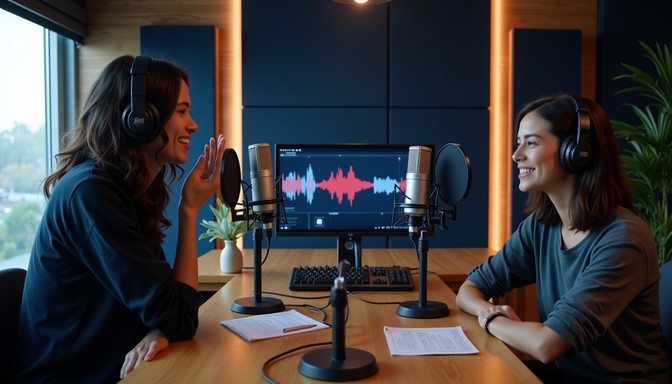
4. Voice Recording
Voice actors record translated dialogue while matching timing, pacing, and emotional delivery with the original scene. This process requires lip-sync timing, emotional synchronization, natural speech flow, and scene intensity consistency.
5. Audio Editing and Mixing
Recorded voices are edited and blended with background music, sound effects, and ambient audio. Ultimately, professional mixing ensures dubbed voices sound naturally integrated into the original production.
6. Quality Review
Localization teams review the final version to ensure translation accuracy, emotional consistency, audio synchronization, cultural appropriateness, and overall audience comfort.
Common Mistakes in Streaming Dubbing
One of the most significant pitfalls is overly literal translation. Even when the wording is technically accurate, some dialogue may sound unnatural or emotionally awkward for Southeast Asia audiences.
Another principal issue is ignoring cultural nuances. Humor, politeness, family relationships, and emotional expression differ widely across Southeast Asian countries. Without proper cultural adaptation strategies, dubbed scenes may feel disconnected from local audience expectations and lose emotional impact.
Voice casting also plays a vital role in successful voice localization. A mismatched voice actor can quickly reduce character credibility. For instance, audiences may struggle to connect with a mature character voiced in a tone that sounds too young or overly energetic.
In some cases, translations are accurate but emotional delivery feels flat. Since many Southeast Asian viewers strongly value emotional storytelling, especially in romance and family dramas, weak voice acting can reduce the audience engagement that streaming platforms work hard to build.
Inconsistent terminology is another risk. Frequently changing character names, honorifics, or key phrases across episodes can confuse viewers and interrupt immersion.
At the same time, excessive localization may also create problems. Adapting too many cultural elements can remove the original charm and identity of the content. The most effective dubbing strategy balances cultural familiarity with the authenticity of the original story.
FAQ
Why do Southeast Asia’s Audiences Prefer Dubbing Over Subtitles?
Many Southeast Asian audiences prefer dubbing since it allows them to focus entirely on visuals, facial expressions, and emotional storytelling without constantly reading subtitles. This viewing style feels more comfortable for mobile-first audiences who often watch content while commuting, multitasking, or relaxing after work. Dubbing also helps viewers connect more naturally with characters through familiar language patterns and local expressions, creating a stronger sense of immersion and emotional engagement.
Does Dubbing Elevate Accessibility for Southeast Asian Audiences?
Dubbing makes content more accessible for viewers who prefer listening over reading subtitles, including children, older adults, and audiences watching on mobile devices. It also allows viewers to focus on visual storytelling without dividing their attention between dialogue and on-screen text.
Why Is Emotional Connection Dubbing Crucial for Streaming Platforms?
Emotional connection dubbing is crucial as it helps streaming platforms increase viewer engagement, retention, and audience loyalty. When viewers hear natural voice performances in their own language, characters often feel more relatable and emotionally authentic. This deeper emotional immersion encourages audiences to continue watching episodes for longer periods and return to the platform more frequently.
What Makes Cultural Adaptation Different From Direct Translation?
Direct translation mainly focuses on converting dialogue accurately from the source language into the target language. In contrast, cultural adaptation SEA emphasizes emotional meaning, local communication styles, and audience relatability. Localization teams often modify humor, expressions, politeness levels, and conversational tone to better match Southeast Asian cultural expectations.
Why Professional Localization Matters for Dubbing
As audience expectations for localized entertainment continue to grow, effective dubbing and localization can elevate immersion, accessibility, and viewer retention. Professional language services help streaming platforms and content creators deliver culturally relevant experiences while preserving the intent of the original story.
Digital Trans Asia provides professional translation, interpretation, and localization services for businesses across Asia. The team helps organizations adapt content for diverse languages, cultures, and regional markets.
Conclusion
Through effective voice localization, international content becomes more relatable, emotionally immersive, and accessible to diverse audiences. Whether viewers are watching Korean dramas on smartphones, Chinese short dramas during commutes, or animated content with family members, dubbing helps stories feel closer and more personal.
The growing importance of emotional connection dubbing also reflects broader entertainment trends in Southeast Asia. Audiences progressively value convenience, emotional resonance, and cultural familiarity alongside visual quality.
Ultimately, successful dubbing requires a careful balance. Strong localization preserves original storytelling while adapting emotional delivery for local audiences through thoughtful cultural adaptation SEA strategies.