The Future of General Translation in a Multilingual Malaysia
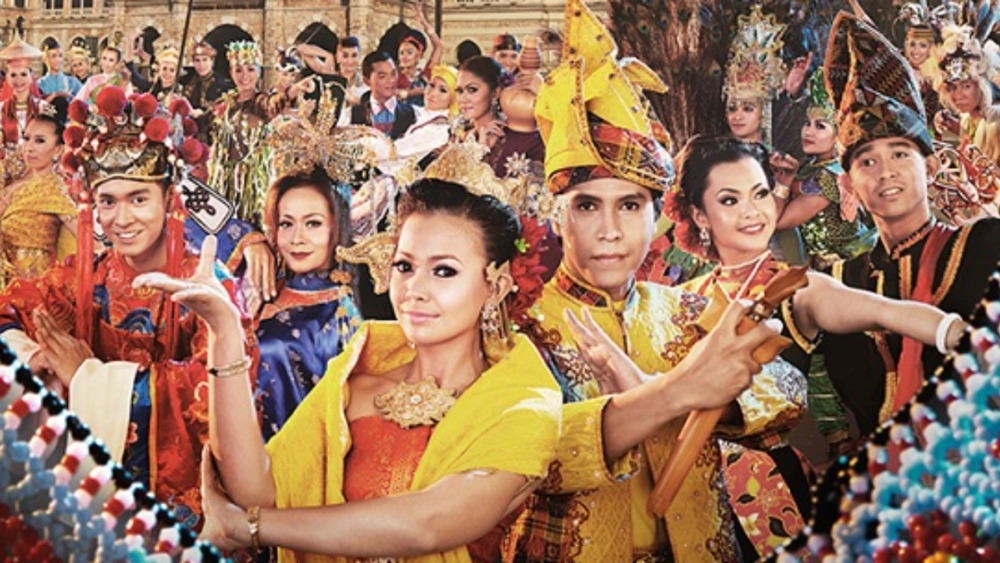
In our ever-connected world, effective communication across languages and cultures is crucial. Malaysia, with its rich mix of ethnicities and languages—including Malay, English, Mandarin, Tamil, and various indigenous tongues—finds itself at a vibrant crossroads in translation. As globalization continues to shape our interactions, the demand for translation services in Malaysia is evolving, bringing both challenges and exciting opportunities. This article takes a closer look at the future of general translation in Malaysia, focusing on emerging trends, challenges, and the importance of education and professional recognition in a multilingual society.
Current Landscape of Translation in Malaysia
The translation industry in Malaysia has experienced significant growth over the past few decades. With such a diverse population, the need for translation services spans various sectors, including business, education, healthcare, and media. Translation services come from a mix of freelancers, agencies, and tech firms, each playing a role in meeting the linguistic needs of the population.
Freelancers often fill specialized niches, providing tailored services that cater to specific markets. Agencies, on the other hand, offer a broader range of services, including localization and interpretation. Technology firms are also stepping up, using artificial intelligence and machine learning to enhance translation processes. While this can improve efficiency, it raises questions about maintaining quality and the human touch in translation.
Despite the industry's growth, translators in Malaysia face a few hurdles. One major challenge is navigating the cultural nuances embedded in language. Translators must understand the intricate web of meanings, idioms, and cultural references that vary from one community to another. Ignoring these subtleties can lead to misunderstandings and ineffective communication.
Another challenge is the issue of non-equivalence. This happens when a term in the source language (SL) doesn’t have a direct counterpart in the target language (TL). Translators often need to get creative—using paraphrasing or cultural substitutions—to convey the intended meaning accurately. Plus, the demand for accuracy and quality in translations is higher than ever. As businesses look to expand into new markets, a mistranslation can lead to significant financial losses or damage to a brand’s reputation. So, keeping up high standards while meeting tight deadlines is a constant challenge for translators.
Emerging Trends in Translation
As Malaysian businesses work to broaden their reach, the demand for localization is on the rise. Localization goes beyond just translating words; it’s about adapting content to resonate with local cultures and audiences. This trend is especially evident in marketing and advertising, where companies strive to create campaigns that feel authentic and relatable to Malaysian consumers. For instance, a global brand launching a new product in Malaysia must consider cultural references, local dialects, and social norms to ensure their message hits home.
The digital age has also transformed how content is created and consumed. With the explosion of social media and online platforms, there’s a growing need for translated content that engages users in their preferred languages. Whether it’s blog posts, articles, or videos, the demand for quality translation in digital content is booming. Translators are now tasked with not just translating the language but also adapting the style and tone of content to suit different platforms and audiences. This requires a deep understanding of the target audience’s preferences, making it essential for translators to stay updated on digital trends.
As Malaysia continues to develop as a hub for international business and tourism, the need for specialized translation services in legal and medical fields is increasing. Legal documents, contracts, and medical records often require precise translations to ensure compliance with regulations and to safeguard individuals’ rights. Translators in these fields need specialized knowledge and terminology to accurately convey complex concepts. This has led to a growing demand for training programs that equip translators with the necessary skills to handle legal and medical texts effectively.
With a commitment to creating a more inclusive society, there’s a rising awareness of the need for accessible translation services. This includes providing translations for individuals with disabilities, ensuring that everyone has equal access to information and services. Translators are increasingly being called upon to provide translations in various formats, such as braille or audio, to cater to diverse needs. This trend reflects a broader societal shift toward inclusivity, recognizing the importance of making communication accessible to all, regardless of language or ability.
Education and Training for Future Translators
As the demand for translation services grows, so does the need for qualified translators. Educational programs in Malaysia offer degrees and certifications in translation and linguistics, equipping students with the skills necessary to navigate the complexities of the field. These programs cover various aspects of translation, including theory, practice, and technology. However, there’s always room for improvement. Many programs still emphasize traditional translation methods, which may not fully prepare students for the fast-evolving landscape of the industry.
To thrive in the future, translators must develop a diverse skill set that goes beyond language proficiency. They need technological literacy and cultural awareness. Understanding the tools and software available for translation and localization is crucial. Familiarity with digital marketing and content creation can also enhance a translator's value in the job market. Cultural studies should be a core part of translator training. By understanding the cultural contexts in which they work, translators can produce more relevant and impactful translations.
To better prepare future translators, educational institutions should consider a few key recommendations:
-
Incorporate Technology Training: Programs should include training on translation software, machine translation, and localization tools to ensure students are up to speed with the latest technologies.
-
Focus on Specialization: Offering specialized courses in legal, medical, and technical translation can help students gain expertise in high-demand areas.
-
Promote Cultural Literacy: Integrating cultural studies into the curriculum will equip translators with a deeper understanding of the contexts in which they work.
-
Encourage Real-World Experience: Internships and practical training opportunities can provide students with valuable hands-on experience, helping them build a portfolio and network within the industry.
The Status and Perceptions of Translators in Malaysia
A study examining the status of Malaysian translators and their perceptions of the profession revealed some eye-opening insights. By blending historical and contemporary perspectives, researchers gathered valuable information about translators' standing in Malaysia. Notably, the findings supported the idea that translation is a pink-collar profession, as many respondents identified as female. The research also showed that not all Malaysian translators have the minimum qualifications, such as a certificate or diploma in translation. This lack of formal education can negatively affect how translators are viewed professionally. Alarmingly, many respondents didn’t see education as crucial to their practice.
When it comes to compensation, the study found that Malaysian translators typically earn rates aligned with those recommended by the Malaysian Translators’ Association (MTA). However, the type of clientele significantly impacts income potential. Translators working for large multinational corporations often find translation to be a lucrative career when they demonstrate competence. Despite these opportunities, interviews revealed challenges that hinder the advancement of the translation profession. The presence of amateur translators has diluted the credibility and exclusivity of the field.
The perception that any bilingual person can be a translator undermines the years of study and practice that professional translators invest in their craft. This lack of differentiation puts skilled translators at a disadvantage, as they must compete against amateurs who offer lower rates. Given these findings, there’s a pressing need to establish a professional organization to represent translators in Malaysia. Creating such a body would provide legal recognition and certification for practicing translators, helping standardize service rates and protect professionals from competition with amateurs. This organization could also advocate for translators' interests with the government and relevant agencies.
Raising public awareness about the significance of hiring professional translators is crucial. Educating the community about the valuable contributions translators make can help shift perceptions and encourage individuals and businesses to seek the services of qualified professionals. With these initiatives in place, the hope is to elevate the status of translators, achieving recognition on par with other established professions.
Conclusion
The future of general translation in Malaysia is promising, with many opportunities for growth and innovation. As the demand for effective communication across languages and cultures continues to rise, the translation industry must adapt to meet these evolving needs. By embracing emerging trends, investing in education and training, and prioritizing professional recognition, stakeholders can ensure that the translation profession thrives in this multilingual society.
As Malaysia navigates its path in an increasingly globalized world, the role of translators will become even more critical. Their ability to bridge linguistic and cultural divides will enhance communication and foster understanding among diverse communities. Therefore, it’s essential for everyone involved—educators, industry professionals, and government bodies—to collaborate and invest in the future of general translation, ensuring it remains a vital tool for inclusivity and progress in Malaysia.
Ready to shape the future of general translation in multilingual Malaysia? Join Digital-Trans Asia – experts in culturally nuanced translations for Malay, English, Mandarin, Tamil, and more. Elevate your business, education, or media projects with precise, inclusive localization. Explore careers in translation on our careers page or contact us today to bridge languages and build connections!