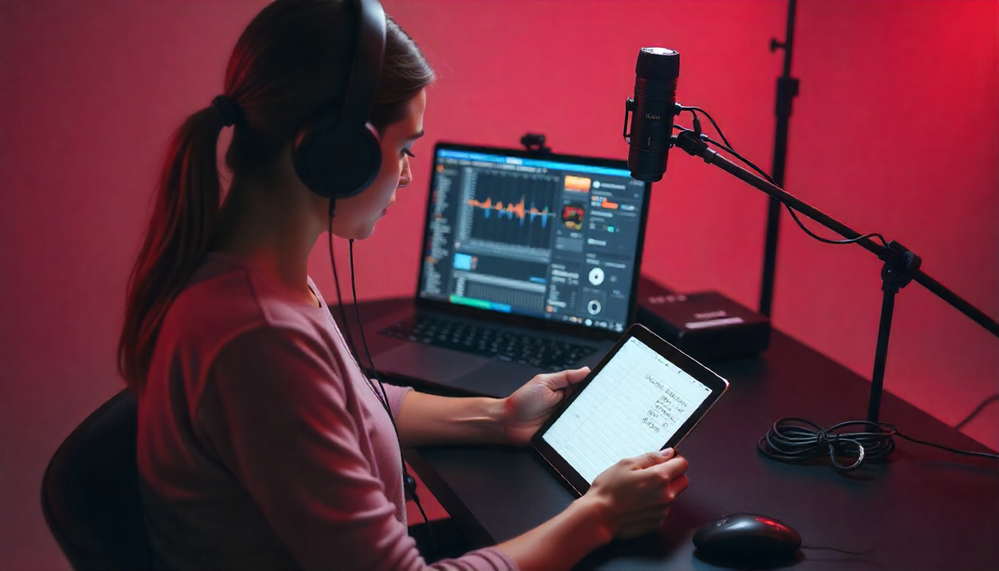
Essential Equipment for Professional Interpreters
In the localization business, interpretation isn't just about knowing a language; it's also about delivering it perfectly in real time. Professional interpreters work in high-pressure situations when speed, accuracy, and clarity are the most important factors in worldwide meetings, conferences, legal hearings, and international commercial negotiations.
A properly chosen collection of tools that helps with focus, audio accuracy, and communication flow is what makes a good interpreting session work. This is where the tools that interpreters use become very important. They are what set professional services apart from makeshift ones.
As communication throughout the world becomes more complicated and multilingual events become more common in many fields, the need for dependable and standardized technology for interpreters is growing. The correct technology may have a direct effect on performance, customer happiness, and brand credibility, from on-site conference rooms to remote interpretation centers.
This article talks about the most important tools that every professional interpreter needs, discusses why each one is important, and illustrates how localization firms may improve their services by getting the right technical training.
Understanding the Role of Equipment in Professional Interpretation
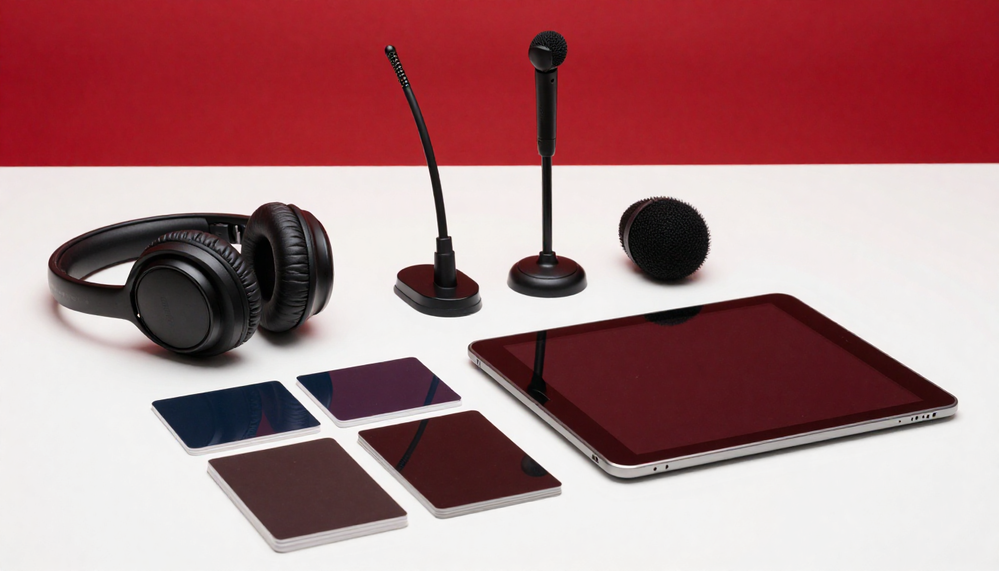
Interpretation is a cognitively demanding task that requires intense focus, memory, and auditory processing. Unlike written translation, interpreters cannot pause or revise. They must deliver accurate messages instantly while managing tone, intent, and cultural nuance. This is why equipment for interpreters is not optional but foundational.
High-quality equipment reduces cognitive load by providing clean audio, ergonomic comfort, and stable connectivity. According to the International Association of Conference Interpreters (AIIC), poor sound quality is one of the main causes of interpreter fatigue and errors. AIIC emphasizes that professional interpretation standards require appropriate technical conditions, including certified sound equipment and controlled acoustic environments.
For companies in the localization industry, investing in professional equipment for interpreters is not only about supporting linguists but also about protecting the integrity of multilingual communication.
Core Categories of Equipment for Interpreters

Before examining each tool in detail, it is helpful to understand how interpreter equipment is generally categorized. Most professional setups include audio input devices, audio output devices, transmission systems, workspace infrastructure, and software-based tools for remote interpreting.
Each category plays a distinct role, yet they must work together seamlessly. Below, we explore the essential components within each category and how they contribute to professional interpretation outcomes.
Also read: High-Quality Business & Legal Translation | Digital Trans Asia
Audio Input Devices: Capturing Every Word Accurately
Clear audio input is the foundation of effective interpretation. If interpreters cannot hear the speaker clearly, accuracy drops immediately. This makes audio input devices among the most critical equipment for interpreters.
Professional Interpreter Headsets
Interpreter headsets are not the same as consumer headphones. They are designed for extended use, precise sound reproduction, and voice isolation. Professional headsets typically include closed-back earcups to block ambient noise and a built-in microphone for simultaneous interpretation.
Key features to look for include:
- Noise isolation rather than active noise cancellation to avoid audio distortion
- Lightweight construction to reduce neck and head fatigue
- Adjustable microphone boom for optimal voice capture
Brands such as Sennheiser and Audio-Technica are widely used in conference interpretation and recommended by AIIC due to their consistent audio quality and durability.
Microphones for Interpretation Booths
In simultaneous interpretation settings, standalone microphones are often used inside soundproof booths. These microphones must capture the interpreter’s voice clearly without picking up breathing noise or background sounds.
Condenser microphones with cardioid pickup patterns are commonly preferred. They offer sensitivity and clarity while focusing on the speaker’s voice. When paired with proper gain control, these microphones become essential equipment for interpreters working in high-stakes environments such as international summits or legal hearings.
Audio Output Devices: Delivering Clear Interpretation to the Audience
Just as interpreters need clear input, listeners require clear output. Audio output devices ensure that interpreted speech reaches the audience without distortion or delay.
Interpretation Receivers and Earphones
For on-site conferences, audiences typically use wireless receivers paired with earphones. These receivers allow listeners to select their preferred language channel. The quality of these devices directly affects comprehension and audience satisfaction.
Professional-grade receivers offer:
- Stable signal reception
- Minimal latency
- Clear channel selection indicators
When integrated with professional transmission systems, these devices complete the chain of equipment for interpreters and listeners alike.
Loudspeaker Systems for Relay Interpretation
In some multilingual events, relay interpretation is used, where one interpreter interprets from another interpreter’s output rather than the original speaker. In such cases, high-quality loudspeaker systems are required within interpreter booths to ensure clarity.
These speakers must deliver balanced sound without echo or feedback. Poor speaker quality can introduce delays and errors, highlighting again why equipment for interpreters must meet professional standards.
Also read: Documents That Require Sworn Translation in Indonesia
Transmission Systems: The Backbone of Multilingual Events
Transmission systems connect speakers, interpreters, and audiences. They are among the most technically complex pieces of equipment for interpreters, yet they are often overlooked until something goes wrong.
Infrared Interpretation Systems
Infrared systems are commonly used in conference centers and secure environments. They transmit audio signals using infrared light, which does not penetrate walls. This makes them ideal for confidential meetings.
Advantages include:
- High audio quality
- No radio interference
- Enhanced privacy
However, they require a clear line of sight between transmitters and receivers, which must be considered during venue planning.
Radio Frequency Interpretation Systems
Radio frequency systems use radio waves to transmit interpreted audio. They are more flexible than infrared systems and are suitable for larger or more dynamic venues.
These systems are widely used for factory tours, outdoor events, and large conferences. When properly configured, they become reliable equipment for interpreters working across varied environments.
Digital Transmission and Network-Based Systems
Modern interpretation increasingly relies on digital transmission over local networks or the internet. These systems support hybrid and remote interpreting models, which have become more prevalent since the global shift toward virtual events.
According to a report by Nimdzi Insights, remote interpreting usage increased significantly after 2020, pushing technology providers to improve latency, security, and audio quality. As a result, digital transmission systems are now core equipment for interpreters in the localization industry.
Interpreter Booths: Creating a Controlled Working Environment
Interpreter booths are not simply enclosures. They are carefully designed workspaces that protect interpreters from noise while allowing them to see speakers and presentation materials.
Soundproof Interpretation Booths
Professional booths must meet ISO 4043 standards, which specify requirements for sound insulation, ventilation, and visibility. Proper booths reduce external noise and prevent interpreters’ voices from leaking into the conference room.
Key features include:
- Acoustic insulation panels
- Silent ventilation systems
- Clear glass panels for visual access
Without proper booths, even the best audio equipment for interpreters cannot compensate for poor acoustic conditions.
Portable and Mobile Booths
For events held in temporary venues, portable booths are often used. While they may not offer the same insulation as permanent booths, high-quality portable options can still meet professional standards when properly installed.
These booths are essential equipment for interpreters working in exhibitions, hotels, or multi-purpose halls.
Control Consoles and Audio Mixers: Managing Sound With Precision
Control consoles allow interpreters to manage audio channels, volume levels, and microphone activation. They are central control points within interpretation booths.
Interpreter Control Units
Interpreter control units are specialized consoles that connect headsets, microphones, and transmission systems. They allow interpreters to:
- Adjust incoming audio volume
- Switch between language channels
- Mute or activate microphones instantly
These units are standardized equipment for interpreters in professional conference settings and are often integrated into booth installations.
Audio Mixers for Complex Setups
In larger events, audio mixers are used to balance multiple sound sources, including speakers, interpreters, and multimedia content. Skilled technicians manage these mixers, but interpreters benefit directly from well-balanced audio feeds.
Mixers become especially important in hybrid events where on-site and remote participants interact simultaneously.
Remote Interpreting Technology: Redefining the Industry
Remote interpreting has transformed how language services are delivered. While it offers flexibility and scalability, it also places new demands on equipment for interpreters.
Interpreting Platforms and Software
Remote interpreting platforms such as Zoom Interpretation, Interprefy, and Kudo provide integrated environments for multilingual meetings. These platforms handle audio routing, channel selection, and participant management.
For interpreters, platform stability and audio quality are critical. Professional interpreters often test platforms extensively before assignments to ensure compatibility with their equipment.
Hardware Requirements for Remote Interpreters
Remote interpreting requires more than a laptop and a basic headset. Professional setups typically include:
- External audio interfaces for better sound processing
- Studio-grade microphones
- Wired internet connections to reduce latency
According to AIIC guidelines for remote interpreting, interpreters should use wired headsets and avoid Bluetooth due to potential delays and signal instability. This reinforces the importance of dedicated equipment for interpreters even in virtual settings.
Ergonomic and Support Equipment: Sustaining Performance Over Time
Interpretation sessions can last for hours. Without ergonomic support, interpreters face physical strain that affects performance.
Ergonomic Chairs and Desk Setup
Professional interpreters require adjustable chairs with proper lumbar support. Desk height and monitor placement must support neutral posture.
While often overlooked, ergonomic furniture is part of the equipment for interpreters, especially for long conferences or remote assignments.
Lighting and Visual Support Tools
Adequate lighting reduces eye strain and improves focus. Interpreters often rely on monitors to view presentations or speaker video feeds. High-resolution displays with adjustable brightness are recommended.
Backup and Redundancy: Planning for the Unexpected
Professional interpretation allows no room for technical failure. Redundancy is a core principle when selecting equipment for interpreters.
Backup Headsets and Microphones
Interpreters and event organizers should always have spare headsets and microphones on hand. Equipment failure can occur due to cable damage, connector issues, or accidental drops.
Power Supply and Connectivity Backup
Uninterruptible power supplies and backup internet connections are essential, especially for remote interpreting. Even brief outages can disrupt communication and damage professional credibility.
Standards and Compliance in Interpreter Equipment
Professional interpretation follows international standards to ensure consistency and quality.
ISO Standards for Interpretation Equipment
ISO 20109 and ISO 4043 define requirements for conference interpretation equipment and booths. Compliance with these standards ensures that equipment for interpreters meets acoustic, technical, and ergonomic benchmarks.
Localization companies that adhere to these standards demonstrate commitment to quality and professionalism.
Industry Recommendations and Best Practices
Organizations such as AIIC and the European Parliament’s Directorate-General for Interpretation publish guidelines on equipment usage. These documents emphasize that interpreters should not be expected to perform under substandard technical conditions.
Also read: Seamless Communication: Your SEA Conference Interpreter
Choosing Equipment Strategically for Localization Companies
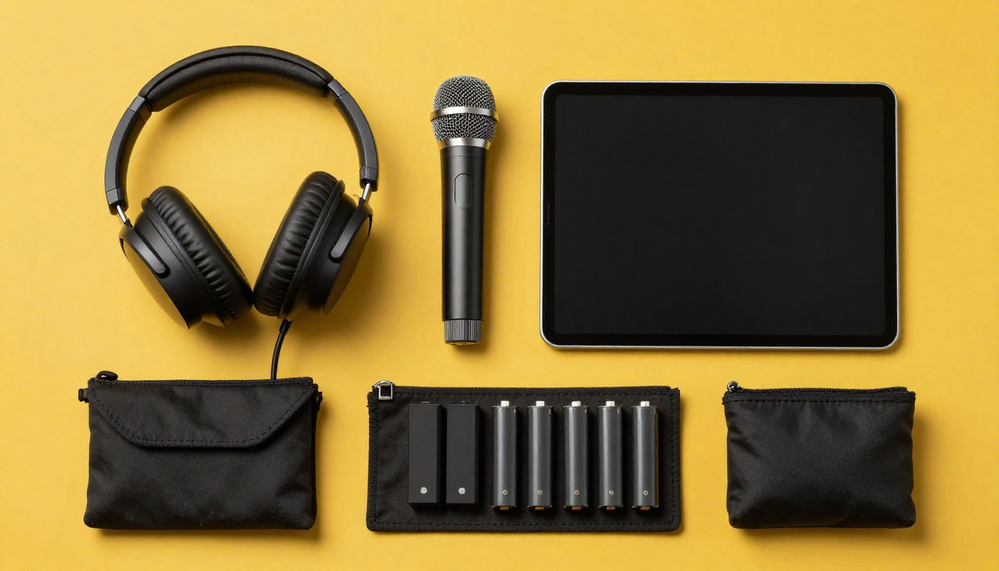
For localization service providers, equipment decisions are strategic investments. The right equipment for interpreters enhances service reliability, interpreter retention, and client trust.
Matching Equipment to Use Cases
Not all projects require the same setup. Legal interpretation, medical interpretation, and corporate conferences have different technical demands. Companies should assess:
- Event size and format
- Security requirements
- On-site versus remote delivery
By aligning equipment choices with use cases, companies optimize both cost and performance.
Partnering With Technology Providers
Many localization companies collaborate with specialized AV providers to manage interpretation equipment. These partnerships ensure access to certified systems and technical support.
Data-Driven Impact of Quality Equipment
Research consistently shows that audio quality affects comprehension and cognitive load. A study published in the Journal of the Acoustical Society of America found that degraded audio significantly increases listening effort, even when speech remains intelligible. For interpreters, this increased effort translates directly into fatigue and error risk.
This data underscores why professional equipment for interpreters is not an optional upgrade but a necessity for sustainable quality.
Elevating Interpretation Through Smart Equipment Choices
Professional interpretation is a fusion of human expertise and technical excellence. While interpreters bring language mastery and cultural insight, their performance depends heavily on the tools supporting them. High-quality equipment for interpreters protects accuracy, reduces fatigue, and ensures that multilingual communication flows smoothly across borders.
For businesses operating in the localization industry, investing in the right equipment is an investment in trust. Clients may not see the booths, consoles, or headsets behind the scenes, but they experience the results through clear communication and confident delivery.
Digital-Trans Asia understands that world-class localization requires more than linguistic talent. It requires infrastructure that empowers interpreters to perform at their best, whether on stage, in a courtroom, or across digital platforms.
If your organization is planning multilingual events or expanding into new markets, now is the time to evaluate not just who interprets your message, but how they are supported. The right equipment transforms interpretation from a technical necessity into a strategic advantage.
Ready to enhance multilingual communication with expert interpretation solutions? Visit https://digital-trans.asia/ to learn more about our services. Contact us today to get started!
Explore career opportunities at https://digital-trans.asia/careers and connect with our team at https://digital-trans.asia/contact-us.