How to Keep the Magic Alive in Children’s Literature Translation?
Translating stories for young readers is one of the most imaginative and delicate tasks in the entire translation field. Unlike adult literature, children engage with stories through intuition, emotion, rhythm, and visual cues. They don’t simply read since they feel their way into each page. That’s why children's literature translation requires more than linguistic skill; it demands a storyteller’s sensitivity and a child’s sense of wonder.
Preserving magic in translation isn’t about copying words. It’s about carrying the experience across languages to equivalent content. Below is an in-depth guide on how translators can ensure that the spark, charm, humor, and emotional heartbeat of a children’s story remain intact.
Keep the Sense of Wonder Intact
Children approach stories with curiosity and emotional honesty. They immerse themselves in each character’s feelings and each scene’s atmosphere. So, the first responsibility in children's literature translation is to protect the reader’s sense of discovery.
Why does it matter?
Children don’t rely on complex reasoning when reading as they respond to emotional cues, memorable rhythms, and enchanting imagery. If these elements survive translation, the story keeps its magic.
How to deal with this point?
The translator can maintain the emotional tone of every scene, prioritize clarity of feelings: joy should feel joyful, fear should feel scary, silliness should feel playful, and allow moments of surprise to remain surprising; don’t dull them with overly literal phrasing.
Recreate the Playfulness of Language
One of the biggest challenges in children's literature translation is handling the playful nature of children’s books. They overflow with:
- Rhymes
- Onomatopoeia
- Alliteration
- Puns
- Invented words
- Sound-based humor
Translating each of these literally almost always destroys their charm.
The translator’s creative role
To be creative as a translator in children’s literature, think of yourself as a co-writer. You’re not simply translating meaning since you’re rebuilding the linguistic play so that it feels equally fun in the target language.
Techniques
Translating children's literature requires distinctive techniques to keep magic alive, as follows:
- Use fresh rhymes instead of preserving forced literal ones
- Recreate invented words using patterns familiar to the target language
- Maintain the rhythm of action scenes by mimicking sound effects or vowel patterns
- Match the energy, not the letters
For instance, if the original includes:
“The wibbly-wobbly walrus waltzed toward the waves,”
the Indonesian version might be something like:
“Si walrus gemetaran itu bergoyang menuju gelombang.”
In this case, the actual words change, but the cadence and silliness remain.
Balance Cultural Adaptation and Imaginative Freedom
Children need to understand the world in the story—yet part of the magic of reading comes from encountering things they’ve never seen before. Cultural references, therefore, need thoughtful handling.
When to adapt?
- When a reference will confuse the reader too much
- When comprehension is more important than maintaining exotic details
- When the story relies on shared cultural experience (like jokes about local school customs)
Sometimes, the translators should retain original elements as well when the unfamiliar concepts add charm or fantasy. If the story takes place in its original cultural setting, the strangeness enriches the child’s imagination, and they are required to do the same.
To identify this issue, there is a helpful question for translators:
“Does this detail expand the child’s world or limit it?”
If it expands, keep it. Meanwhile, if it limits or confuses, adapt to it. As a result, successful children's literature translation finds a gentle middle ground between clarity and wonder.
Preserve the Soul of Each Character
Children often remember characters more vividly than plot details. They mimic their speech, quote their jokes, and fall in love with their quirks. That means a translator must protect the voice of each character in some aspects.
Moreover, the key elements to preserve include:
- Vocabulary patterns
- Tone (shy, excited, sarcastic, wise)
- Speech quirks or imperfections
- Humor style
- Rhythm of dialogue
If a character talks rapidly or uses short, punchy phrases, the translation should reflect the same spirit, even if the words themselves can’t be matched exactly.
However, in some cases, a speech quirk that relies on the original language may need creative adaptation. A child’s lisp in English, for example, might need a different, but equivalent linguistic quirk in Indonesian or Malay so the personality still shines through.
In simple words, characters are the heartbeat of the story. Keeping their voices authentic keeps the magic alive.
Respect the Relationship Between Text and Illustration
Most children’s books are not textual matters as they are engaging in the visual aspect. The text interacts with illustrations in highly intentional ways: placement, spacing, page-turn suspense, and rhythm are all part of meaning-making for a young reader.
This means children's literature translation must pay close attention to:
- Text length per page
- The timing of surprises relative to page turns
- The sound flow that supports the artwork
- Read-aloud friendliness
A translation that becomes too long or too short could disrupt the layout or weaken the connection between text and image. The visual storytelling must remain coherent, so translators often have to adjust sentence structure or shorten descriptions to accommodate page design.
Use Simple Language Without Oversimplifying the Story
Children’s stories often look simple on the surface, but the emotional depth and philosophical layers can be profound. Simplicity doesn’t mean shallowness.
How to approach this?
- Use accessible vocabulary but maintain poetic richness
- Keep metaphors or sensory imagery when possible
- Avoid replacing thoughtful lines with flat, overly literal ones
- Preserve subtlety; children understand more than adults assume
Translate Humor With Cultural Sensitivity
Humor is notoriously difficult to translate across languages. Wordplay, cultural jokes, and sound-based comedy often don’t have direct equivalents.
Hence, instead of literal translation, aim to:
- Reproduce the effect of the joke
- Craft new puns that fit the target language’s humor style
- Replace culturally specific jokes with relatable alternatives
- Maintain comedic timing and rhythm
A good children’s story makes young readers laugh out loud. It’s the translator’s responsibility to ensure the humor survives the journey.
Protect the Story’s Moral Subtlety
Children can detect preachiness very quickly, and they disengage when they feel lectured. Authors of great children’s literature usually weave lessons into the narrative gently. The translated version must respect that subtlety.
What to maintain?
- The balance between story and message
- Emotional learning rather than explicit moralizing
- The author’s nuanced tone when discussing courage, kindness, or friendship
Stay Faithful to the Author’s World-Building
Every magical children’s tale is built on its own imaginative logic: how animals talk, how forests breathe, how time works, how the characters interact with the supernatural.
During children's literature translation, changes that disrupt the internal rules of the world can break the illusion.
Translators should strive to retain:
- The atmosphere
- The sense of place
- The world’s internal consistency
- The imaginative vocabulary and tone
Even when cultural adaptation is necessary, the unique identity of the story’s universe should remain recognizable.
Above All, Translate as a Storyteller
Great children's literature translation is not purely technical. It’s an art form. You are, in many ways, rewriting the story for new readers while safeguarding its soul.
This means:
- You have creative freedom, but not creative ego
- Choose meaning over literalism
- Prioritize the reader’s experience
- Honor the writer’s voice while making the story feel native and alive in the target language
Fun Facts of Children’s Literature Translation
Children’s literature translation is far more magical and complex than it appears. Behind every children’s book that travels across cultures is a translator who balances creativity, cultural insight, and linguistic precision.
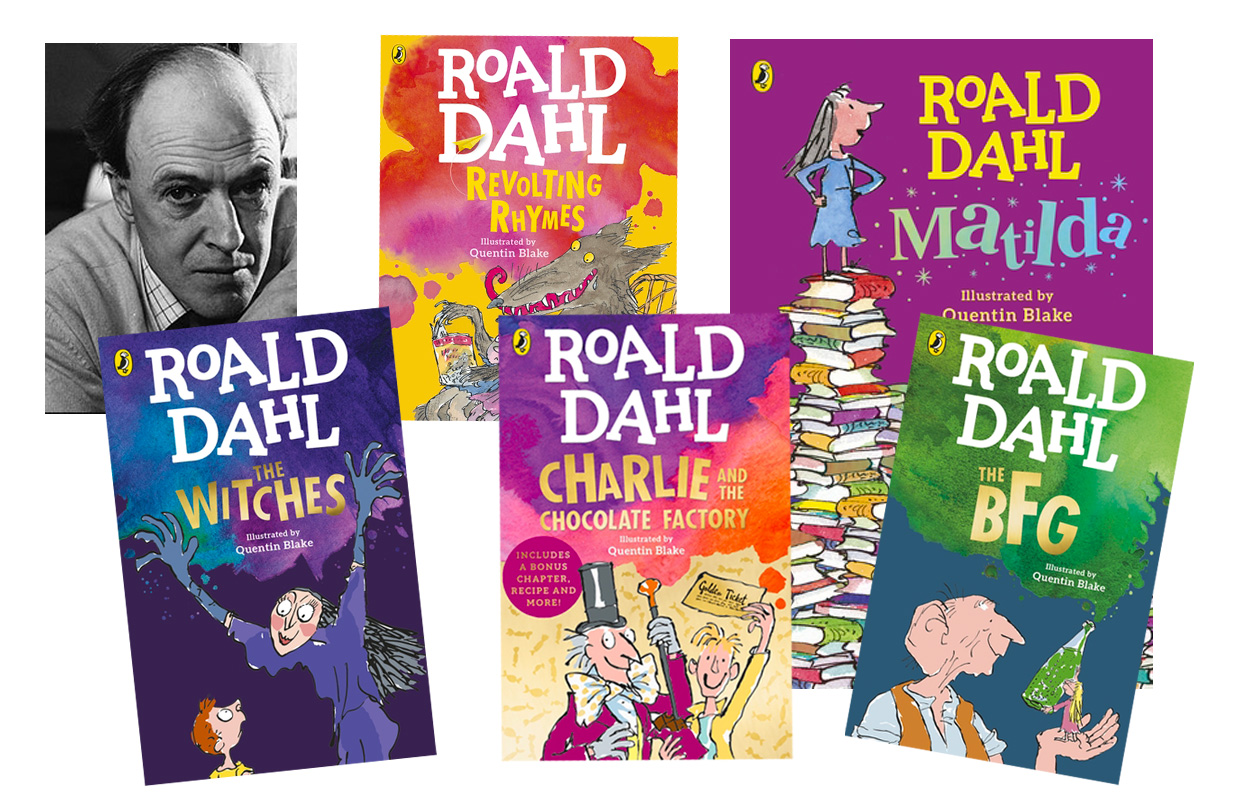
One fun fact is that many famous children’s authors, like Dr. Seuss, Lewis Carroll, and Roald Dahl, use nonsense words that don’t exist in any language. Translators must invent new playful terms that capture the same quirky energy.
Picture book translators also count syllables due to the text must fit around illustrations and sound musical when read aloud.
Furthermore, children’s books are among the most translated works in the world. The Little Prince, for instance, has been translated into hundreds of languages.
Interestingly, beloved characters such as Winnie-the-Pooh often gain slightly different personalities depending on the translation and culture.
Names, jokes, and cultural details may be adapted so young readers can relate better to the story. Some countries keep their original names, while others localize them. Even “once upon a time” differs from language to language.
Conclusion
Keeping magic alive in children's literature translation is a balancing act between faithfulness and creativity. It requires the precision of a linguist, the sensitivity of a poet, and the imagination of a child.
Whether handling a whimsical picture book or a chapter novel full of fantasy elements, the translator’s mission is to make young readers feel the same wonder, joy, and excitement that the original audience experienced.
When the translation reads as vivid, musical, and emotionally resonant as the original, the magic isn’t just preserved. It’s reborn.
Need professional children's literature translation that preserves creativity, emotion, and cultural nuance? Digital-Trans Asia provides expert translation and localization services to help stories connect with young readers across languages and cultures.