
Multimodal Localization in Comics: How Language Services Support Global Publishing
The global comics industry is no longer confined by geography. From Japanese manga to Korean webtoons and Western graphic novels, stories now travel instantly across borders. However, reaching global audiences is not merely about translating text; it also requires adapting the entire experience. Hence, multimodal localization, comic localization, and professional language services become essential pillars of modern publishing.
With digital comics projected to grow from USD 5.8 billion in 2024 to USD 27.3 billion by 2033, publishers must rethink how they localize content to stay competitive. Let’s explore how multimodal localization is transforming comic publishing worldwide.
What Is Multimodal Localization in Comics?
Multimodal localization refers to the process of adapting content across multiple formats, including text, visuals, audio, and user interface elements, so it resonates with audiences in different languages and cultures.
Under comic localization, this goes far beyond translating dialogue. Comics are inherently multimodal: they combine visual storytelling, typography, layout, and cultural symbolism. Research highlights that meaning in comics is distributed across both verbal and visual elements, making translation more complex than standard text-based content.
Moreover, modern language services integrate advanced technologies such as AI translation, OCR (optical character recognition), and design adaptation tools to handle this complexity. Instead of treating text and visuals separately, they localize the entire narrative experience.
This shift is driven by broader digital trends. Nowadays, multimedia content dominates online consumption, with video alone accounting for around 90% of internet traffic. As audiences become more visually oriented, comics, especially digital formats like webtoons, fit naturally into this ecosystem.
What Are the Benefits of Multimodal Localization in Comics?
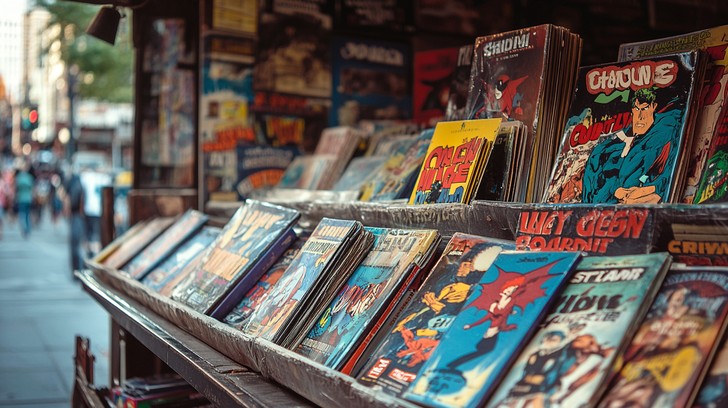
Multimodal localization offers powerful advantages for comic publishers expanding globally. Here are the key benefits:
-
Expanding Global Reach
Localization enables publishers to tap into emerging markets such as Southeast Asia, where mobile-first comic consumption is rapidly growing.
-
Higher Audience Engagement
Studies show that 75% of internet users prefer content in their native language, making localized comics more engaging and relatable.
-
Increased Revenue Potential
Businesses earn $3 for every $1 invested in localization, proving its direct financial impact.
-
Better Cultural Adaptation
Comics often rely on humor, symbolism, and cultural references. Multimodal localization ensures these elements are adapted well.
-
Enhanced Digital Platform Performance
Localized content performs better in algorithms and app ecosystems, especially in webtoon platforms where discoverability drives growth.
-
Long-Tail Monetization Strategy
Translating comics into “minor languages” creates cumulative revenue across multiple smaller markets, rather than relying on a few major ones.
-
Improved User Experience
Properly localized layouts, fonts, and reading direction (e.g., right-to-left for certain languages) enhance readability and immersion.
How Multimodal Localization in Comics Works?
Multimodal localization in comics involves a structured, multi-step workflow supported by professional language services as follows:
1. Content Analysis & Asset Preparation
The process begins with analyzing comic files, including text layers, images, sound effects, and layout structures. OCR tools are often used to extract embedded text from artwork.
2. Translation & Transcreation
Translators adapt dialogue, narration, and sound effects. In comics, this often involves transcreation or rewriting content to preserve tone, humor, and emotional impact.
3. Visual & Design Adaptation
Speech bubbles, fonts, and panel layouts are adjusted to fit the translated text. Some languages expand text length by up to 20%, requiring layout redesign.
4. Cultural Localization
Symbols, gestures, and references are adapted to match local audience expectations. This step is critical for humor and storytelling clarity.
5. Quality Assurance (QA)
Linguistic and visual checks ensure consistency, readability, and cultural accuracy across all elements.
6. Publishing & Platform Optimization
Localized comics are formatted for specific platforms (apps, webtoon readers, print), ensuring compatibility and discoverability.
7. Continuous Updates & Feedback Loop
Reader feedback and analytics help refine future localization efforts, improving engagement over time.
Common Mistakes of Multimodal Localization in Comics
Although multimodal localization offers significant advantages, it also presents several challenges that publishers need to manage carefully.
One of the most common mistakes is treating comics as purely text-based content, which often results in poorly modified layouts and disrupted storytelling as the visual dimension is overlooked. In addition, inadequate font selection and layout adaptation can negatively affect both readability and the original artistic style, making the final product feel unpolished.
Another critical risk lies in the lack of cultural sensitivity. Visual elements such as symbols, gestures, or imagery may carry different meanings in different regions, which can lead to misunderstanding or even unintended offense if not properly localized.
Furthermore, relying too heavily on AI without human review can compromise quality. While AI tools are efficient and increasingly accurate, they still struggle to capture subtle nuances, humor, and emotional tone.
Lastly, inconsistency in terminology across multiple volumes can confuse readers and weaken narrative continuity. Without the use of proper translation memory systems or editorial oversight, character names, key terms, and stylistic choices may vary, reducing the overall coherence of the series.
FAQ
1. Why Is Multimodal Localization Essential for Comics?
Comics are a unique storytelling medium that blends some elements. Due to that setup, a simple word-for-word translation is not enough to convey the full meaning of the story. Multimodal localization ensures that every element is adapted cohesively.
After all, this approach helps preserve the original tone, emotional impact, and readability, allowing audiences from different cultural backgrounds to experience the story as it was intended.
2. Can AI Fully Handle Comic Localization?
While AI-powered tools can significantly accelerate the translation process and handle large volumes of content efficiently, they still have limitations. AI struggles with visual-text relationships, such as fitting dialogue naturally into speech bubbles or adapting stylistic elements. Human expertise remains essential to refine translations, ensure cultural relevance, and maintain the artistic integrity of the work.
3. How Do Language Services Enhance Publishing Efficiency?
Professional language services enhance publishing efficiency by combining technology with human expertise to create a streamlined workflow. Through the use of automation tools, translation memory systems, and AI-assisted processes, they can reduce repetitive work and accelerate turnaround times.
This can shorten time-to-market by up to 25%, while still maintaining high-quality output. At the same time, structured quality assurance processes ensure consistency across chapters or volumes, helping publishers scale their content globally without sacrificing accuracy or reader experience.
Digital-Trans Asia provides professional translation, interpretation, and localization services for businesses across Asia. Expanding comics to a global audience demands a thoughtful, end-to-end localization approach.
By partnering with professional language services, publishers can ensure that every element, from dialogue to visual nuance, is carefully adapted for each target market. With the right blend of technology and human expertise, language services help maintain storytelling quality, streamline production, and deliver culturally resonant content, allowing your comics to connect with readers worldwide faster and more effectively.
Conclusion
Multimodal localization is a strategic necessity in global comic publishing. As the industry shifts toward digital and visual-first formats, publishers must adapt not just the words, but the entire experience.
By leveraging professional language services, publishers can scale their content globally while preserving artistic and cultural integrity. For audiences who expect immersive, localized experiences, multimodal localization is the key to unlocking the full potential of comics on the global stage.
Ready to expand your comics to global audiences with professional localization support? Visit https://digital-trans.asia/ to learn more about our services. Contact us today to get started!