The Role of General Translation in Enhancing Malaysia's Tourism Industry
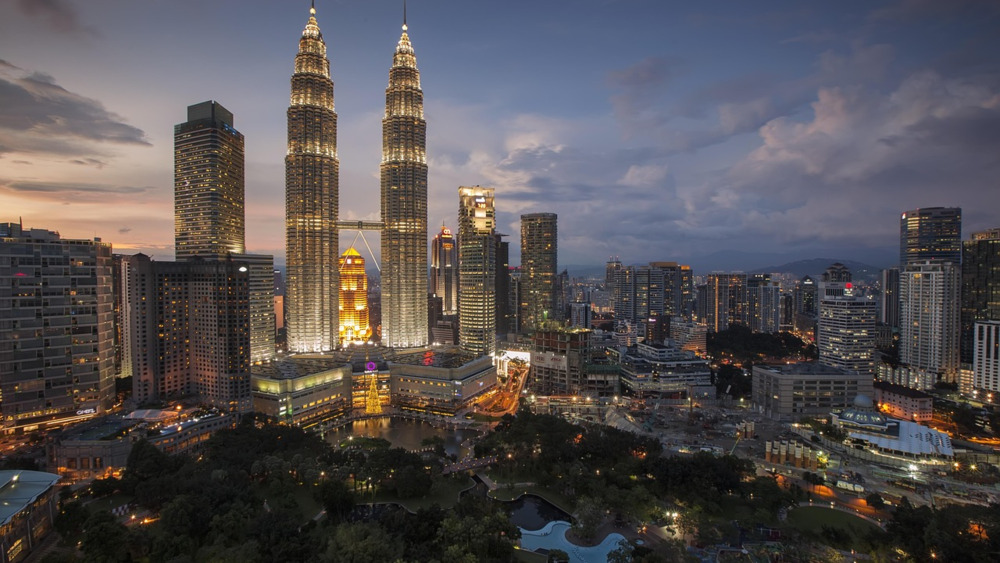
Malaysia is a colorful tapestry of cultures, languages, and traditions, making it an exciting destination for travelers from around the globe. With its stunning landscapes, delicious food, and rich history, Malaysia draws millions of tourists each year. But to truly unlock this potential, we need to ensure effective communication. This is where general translation comes in, playing a crucial role in enhancing the tourist experience.
Why Translation Matters in Tourism
When we think about tourism, language is about more than just words; it’s a bridge to understanding a culture. Imagine arriving in a new country and being unable to read signs, menus, or brochures. It can be overwhelming! In Malaysia, where Malay is the national language alongside English, Mandarin, and Tamil, translation is key to making sure everyone feels welcome.
Making Information Accessible
One of the most important roles of translation is making information accessible to everyone. Tourists need to navigate various materials—like brochures, websites, and advertisements—that highlight what Malaysia has to offer. These promotional materials must be translated effectively to resonate with diverse audiences.
For instance, a brochure promoting Malaysia’s natural beauty needs to do more than just provide information. It should evoke emotions and inspire potential tourists to see themselves exploring the lush rainforests or relaxing on beautiful beaches. A well-translated brochure does just that, creating a vivid picture in the minds of readers.
Enhancing the Visitor Experience
When tourists arrive in Malaysia, they encounter a wealth of experiences waiting to be explored, but language barriers can hinder their enjoyment. Think about how frustrating it would be to try local food without understanding the menu. Translations help bridge this gap, allowing tourists to make informed choices, whether they’re ordering street food or booking a guided tour.
Effective translations also enhance the overall visitor experience. They ensure that signs, guides, and other materials are clear and informative, allowing tourists to explore with confidence. This accessibility is crucial for making visitors feel comfortable and engaged in their surroundings.
Cultural Sensitivity in Translation
Effective translation goes beyond simply converting words from one language to another; it involves understanding cultural nuances. Every culture has its own way of expressing ideas, and a successful translator captures these subtleties. For example, certain phrases or concepts may hold different meanings in different cultures. A skilled translator knows how to navigate these differences, allowing tourists to appreciate local customs and traditions.
Creating a Welcoming Environment
In a diverse country like Malaysia, where various cultures coexist, translators play an essential role in making tourists feel welcomed and respected. When a tourist reads a translated brochure that reflects their own culture and language, it fosters a sense of belonging. It shows that the destination values their presence and is eager to share its beauty with them.
By conveying the essence of each culture through translation, we can create an environment where tourists feel comfortable exploring and engaging with the local community. This not only enhances their experience but also enriches the cultural exchange between visitors and locals.
Challenges Faced in General Translation
While translation is vital for enhancing tourism, it comes with its own set of challenges. Malaysia’s linguistic diversity is a double-edged sword. On one hand, it offers a rich cultural landscape; on the other, it complicates the translation process.
Navigating Linguistic Diversity
Translators must be well-versed in various dialects and cultural contexts to provide accurate translations. A phrase that is popular in one region may not resonate in another. For example, a local saying or idiom might hold deep meaning for one group but be completely unfamiliar to another. This necessitates careful consideration and expertise in translation practices to avoid miscommunication.
Moreover, maintaining the context and tone of the original message is crucial in tourism marketing. Promotional materials often use persuasive language to evoke excitement and interest. Translators must ensure that this tone is preserved in the target language, so the enthusiasm for exploring Malaysia is conveyed effectively.
Balancing Action and Relaxation
Another challenge is balancing the active and adventurous spirit often associated with tourism in Western cultures with the more relaxed approach that many Malaysian tourists prefer. For instance, while a promotional piece may encourage tourists to “dive into adventure,” it’s important to recognize that this message may not resonate the same way with all audiences.
In Malaysia, where many tourists seek leisurely experiences, a call to action that emphasizes relaxation and enjoyment can be more appealing. Translators must skillfully adjust the messaging to align with the preferences of their target audience, ensuring that the promotional materials speak to what Malaysian tourists desire.
Best Practices for Effective Translation
To improve the effectiveness of translations in the tourism sector, several best practices can be implemented.
Collaboration with Local Experts
One of the most effective ways to enhance translation outcomes is to collaborate with local experts. Engaging individuals who understand the culture and language can provide invaluable insights. These experts can help ensure that translations not only convey the correct meaning but also reflect local customs and preferences.
For example, a local expert might suggest alternative phrases that resonate better with the target audience, enhancing the emotional appeal of the message. By working together, translators and local experts can create materials that truly connect with potential tourists.
Utilizing Technology Wisely
In today’s digital age, technology can be a powerful ally in the translation process. Translation software and applications can streamline the workflow, making it quicker and more efficient. However, it’s important to remember that technology should complement human expertise, not replace it.
While machines can assist with basic translations, the nuances of language often require a human touch. A translator’s ability to capture cultural subtleties, humor, and emotion is irreplaceable. By leveraging technology while maintaining a focus on human expertise, the tourism sector can achieve better translation outcomes.
Future Trends in Tourism Translation
As the tourism landscape continues to evolve, several trends are likely to shape the future of translation in this industry.
Embracing Digital Platforms
More and more tourists are relying on digital platforms for information. This shift means that the role of translation in online spaces will only grow. Websites, social media, and mobile apps are becoming primary sources of information for travelers. Ensuring that these platforms are multilingual and culturally sensitive is crucial for attracting a global audience.
By providing translations across various digital platforms, Malaysia can reach a wider range of potential tourists. This includes not only traditional languages but also emerging languages and dialects that reflect the country’s diversity.
Focusing on Personalization
The future of tourism will likely see a greater emphasis on personalized experiences. Tourists increasingly expect tailored communication that resonates with their individual preferences. This is where translation can play a significant role in crafting personalized messages.
For example, personalized email campaigns or targeted advertisements in local languages can greatly enhance engagement. By making tourists feel valued through customized communication, destinations can create a stronger connection with potential visitors.
The Rise of Experiential Tourism
As the trend of experiential tourism continues to grow, translation will need to adapt to highlight unique experiences. More travelers are seeking immersive adventures that allow them to engage with local cultures. This shift means that promotional materials must focus on storytelling and authentic experiences, requiring skilled translators to capture the essence of these offerings.
Conclusion
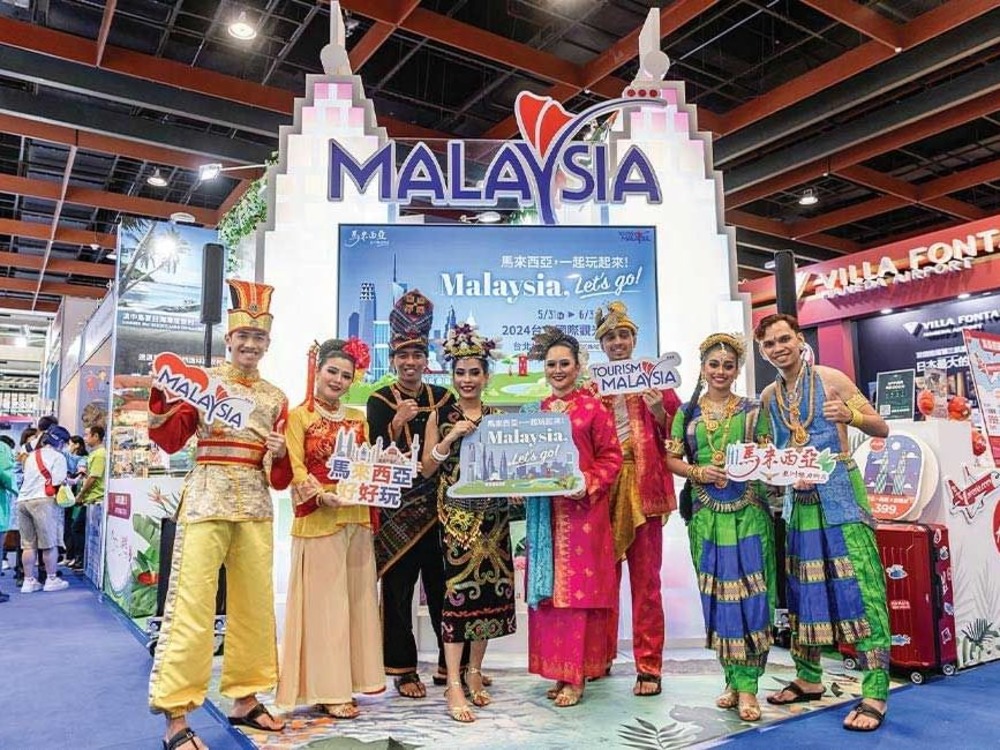
General translation is not just a technical necessity in Malaysia's tourism industry; it’s a vital component that enhances the overall tourist experience. By bridging language gaps, fostering cultural understanding, and addressing the unique challenges of translation, Malaysia can continue to attract and delight visitors from around the world.
As the tourism landscape evolves, embracing innovative practices and technologies will ensure that translation remains a powerful tool in promoting Malaysia’s rich and diverse offerings. Ultimately, effective translation not only attracts visitors but also creates memorable experiences that resonate long after their journey ends.
By investing in high-quality translations and recognizing the importance of cultural sensitivity, Malaysia can elevate its tourism industry to new heights, welcoming travelers with open arms and inviting them to explore all that this beautiful country has to offer.
Ready to boost Malaysia's tourism with flawless multilingual content? Partner with Digital-Trans Asia for expert translation and localization services tailored for tourism brochures, websites, apps, and marketing materials. Make every visitor feel at home! Explore translation careers on our careers page or contact us today for a free consultation.