
Scaling Global Meetings with Video Remote Interpreting Services
Global meetings have become the norm rather than the exception for a borderless business environment. Yet, language barriers remain one of the most persistent challenges in international collaboration. Hence, video interpreting services, particularly Video Remote Interpreting (VRI), are transforming how organizations communicate across cultures faster, more efficiently, and at scale.
As companies expand into new markets and manage distributed teams, VRI is emerging as a critical enabler of inclusive and effective communication. The fact is, the global VRI market was valued at approximately USD 1.045 billion in 2025 and is projected to grow at a CAGR of 14.85%, reflecting increasing demand for scalable multilingual communication solutions.
What Is Video Remote Interpreting (VRI)?
Video Remote Interpreting (VRI) is a technology-enabled language service that connects participants with professional interpreters via live video. Instead of being physically present, interpreters join conversations remotely through devices such as laptops, smartphones, or dedicated video conferencing systems.
On-site interpreting requires physical presence and scheduling, while over-the-phone interpreting (OPI) offers audio only. VRI combines both visual and audio communication in real time.
This visual component is crucial. It allows interpreters to capture facial expressions, gestures, and contextual cues, which significantly improves communication accuracy compared to audio-only solutions.
What Are the Benefits of Video Remote Interpreting (VRI)?
Video interpreting services are particularly powerful when scaling communication across teams, regions, and industries. Below are key benefits and in-context applications:
-
Instant access to interpreters
VRI can connect users to a professional interpreter in seconds or minutes, making it ideal for time-sensitive meetings.
-
Cost efficiency
Eliminates travel expenses, accommodation, and minimum booking hours associated with on-site interpreters.
-
Scalability for global operations
Organizations can scale language support up or down depending on meeting size and frequency.
-
Improved communication quality
Visual cues enhance understanding, especially in nuanced discussions or negotiations.
-
Accessibility and inclusivity
Supports deaf and hard-of-hearing participants as well as multilingual teams.
-
24/7 availability
Many providers offer round-the-clock access, supporting global time zones.
Meanwhile, for the common use in industry, here is the list:
- International business meetings and negotiations
- Virtual conferences and webinars
- Healthcare consultations and telemedicine
- Legal proceedings and remote hearings
- Customer support for global audiences
- Emergency communication scenarios
How Video Remote Interpreting (VRI) Works?

Implementing video interpreting services is simpler than many organizations expect. Here is how a typical VRI workflow looks:
1. Request or schedule an interpreter
Users can either pre-book or access interpreters on demand through a platform.
2. Connect via video platform
Participants join a meeting using tools like Zoom, Teams, or a dedicated VRI system.
3. Interpreter joins remotely
A qualified interpreter connects via video, observing and listening in real time.
4. Live interpretation begins
The interpreter translates spoken language (or sign language) instantly, maintaining natural conversation flow.
5. Ongoing interaction and support
The interpreter continues facilitating communication throughout the session.
6. Session ends and reporting (optional)
Some providers offer analytics, transcripts, or usage reports for enterprise clients.
Common Mistakes of Video Remote Interpreting (VRI)
While Video Remote Interpreting (VRI) offers significant advantages for multilingual communication, organizations must remain mindful of several potential risks to ensure effective implementation.
One of the most common challenges is a poor technical setup. The issues, such as low bandwidth, inadequate camera quality, or audio delays, can significantly reduce interpretation accuracy, particularly for sign language. Research also indicates that video quality has a direct impact on both user satisfaction and overall communication effectiveness in VRI environments.
Another frequent misconception is assuming that VRI can fully replace all forms of interpreting. In reality, highly sensitive, complex, or high-stakes discussions may still require the physical presence of an on-site interpreter.
Additionally, failing to engage interpreters with relevant industry expertise—whether in legal, medical, or technical fields—can result in misunderstandings and even compliance risks.
User experience is another critical factor that is often overlooked. For instance, studies have shown that only 41% of deaf users reported satisfaction with VRI quality in certain situations, underscoring the need for proper training and system optimization.
Lastly, organizations that rely solely on VRI without a backup plan risk disruptions during technical failures, making it essential to have contingency solutions in place, such as switching to audio-based interpreting when needed.
Is VRI Suitable for All Types of Global Meetings?
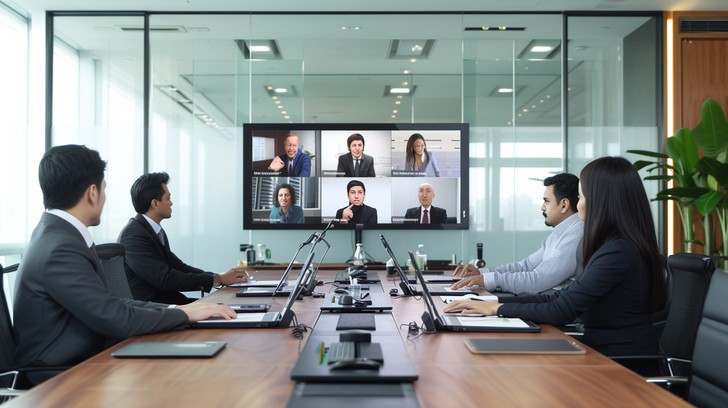
Video Remote Interpreting (VRI) is highly effective for short to medium-length meetings, day-to-day operational discussions, virtual events, and situations where quick access to language support is essential. It is particularly valuable for organizations that need flexibility and scalability across different time zones.
However, for highly sensitive, complex, or high-stakes negotiations—such as legal proceedings, executive-level strategy sessions, or emotionally nuanced conversations—a hybrid approach or on-site interpreting may still be more appropriate.
Digital-Trans Asia provides professional translation, interpretation, and localization services for businesses across Asia. To ensure your global meetings run smoothly and without language barriers, partnering with a professional language service provider can make a meaningful difference.
With the right combination of advanced technology and expert interpreters, you can enhance communication clarity, minimize risks, and create a more inclusive experience for every participant.
Whether you need on-demand video interpreting services, specialized VRI support, or a tailored solution for your global meetings, a trusted partner can help you scale confidently while maintaining quality and accuracy.
How Fast Can Interpreters Join a Meeting?
In many cases, interpreters can connect within 30 seconds to a few minutes, especially when using on-demand VRI platforms with a large pool of professionals. Response time may vary depending on factors such as language rarity, time zone differences, and whether specialized expertise is required. Pre-scheduled sessions can further reduce waiting time and ensure the availability of interpreters with the right qualifications, making the overall process smoother and more predictable for global meetings.
Does VRI Guarantee Perfect Communication?
No solution can guarantee perfect communication. While VRI significantly enhances accessibility, speed, and convenience, the quality of communication still depends on several factors. These include the reliability of the technology (such as internet stability and video clarity), the interpreter’s skill and subject-matter expertise, and how well the meeting itself is structured.
Clear turn-taking, proper briefing, and good audio-visual setup can greatly improve outcomes, but organizations should view VRI as a powerful support tool rather than a flawless substitute for all communication challenges.
Conclusion

As organizations continue to expand globally, the ability to communicate effectively across languages is a fixed necessity. Video interpreting services, especially Video Remote Interpreting (VRI), offer a powerful solution for scaling global meetings without the logistical and financial constraints of traditional interpreting.
By combining real-time communication, visual context, and on-demand accessibility, VRI enables businesses to move faster, collaborate better, and operate more inclusively. However, like any technology, its success depends on thoughtful implementation that balances convenience with quality, and scalability with user experience.