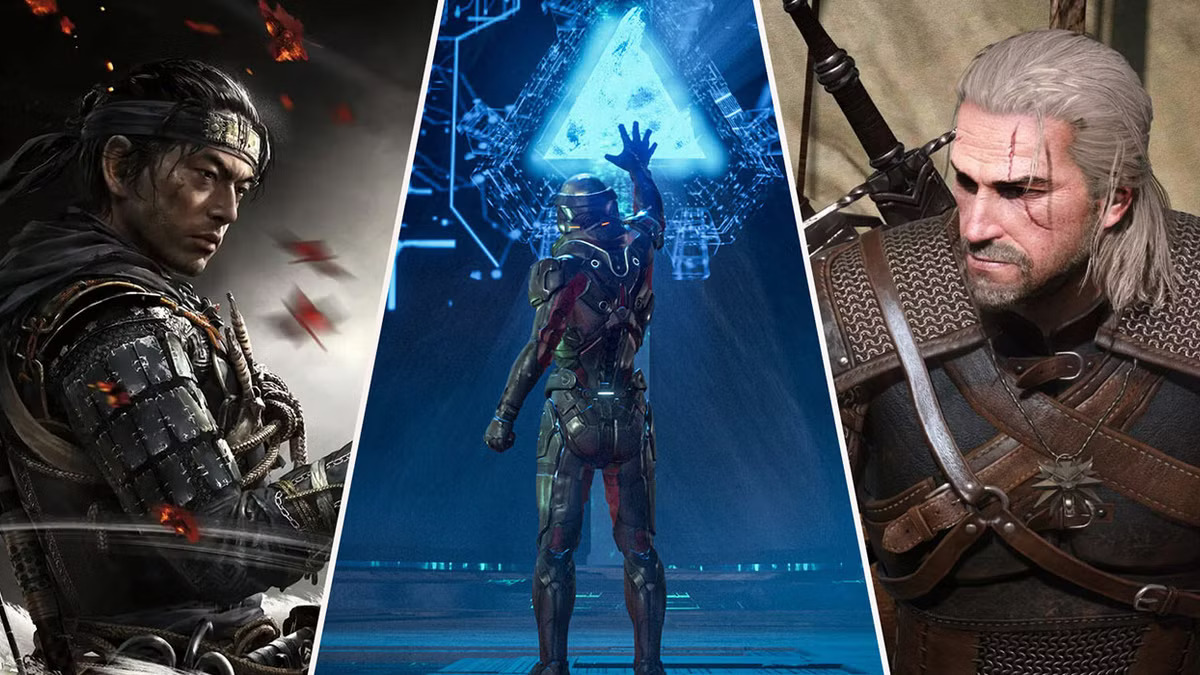
Should Humor in Game Localization Override Original Lore?
One of the most difficult aspects of localizing video games is making comedy culturally relevant without sacrificing its punch. Localization teams may modify the conversation to make it seem natural for new audiences since jokes frequently do not transfer well.
This poses a crucial question: should the original lore that characterizes the game be sacrificed in order to achieve that flexibility? A key component of the translation process is striking a balance between comedy and narrative realism since mythology impacts characters, world-building, and emotional depth.
What Is Original Lore in Game Localization?
Game localization is the process of adapting a video game for different languages, cultures, and regions, while preserving its core experience. This includes not only translating text, but also adjusting cultural references, humor, tone, and even character personalities to resonate with local audiences.
At the heart of many games lies original lore—the narrative foundation that shapes the world, characters, and emotional stakes. Lore defines how players interpret the story, connect with characters, and immerse themselves in the game universe. It is not merely background information, but the identity of the game.
Humor, on the other hand, is one of the most challenging aspects of localization. Jokes often rely on wordplay, cultural context, or timing that may not translate directly across languages. As a result, localization teams sometimes adapt or completely rewrite humorous elements to ensure they land effectively with the target audience.
This creates a critical tension: “Should humor be prioritized to enhance player enjoyment, even if it risks altering or overriding the original lore?”
The answer is not black and white. Instead, it depends on balancing two goals: Maintaining narrative integrity and ensuring cultural and emotional accessibility.
The Benefit of Original Lore in Game Localization
There are valid scenarios where adapting humor—even at the expense of strict fidelity to the original lore—can improve the player experience. According to ECI Games, 54% of players will not play a text-heavy game if it is not in their native language.
Improving Accessibility for Global Audiences
Humor that works in one culture may fall flat or feel confusing in another. Adapting jokes ensures players can fully engage with the content without feeling excluded.
Enhancing Emotional Engagement
Well-localized humor can strengthen player attachment to characters by making them feel more relatable and human.
Maintaining Comedic Timing and Impact
Literal translations often ruin comedic timing. Rewriting jokes allows the humor to land naturally in the target language.
Aligning with Cultural Norms and Sensitivities
Some jokes may be inappropriate or offensive in certain cultures. Adjusting them prevents backlash and ensures broader acceptance.
Supporting Genre Expectations
In comedy-driven or lighthearted games, humor may be a core selling point. In such cases, prioritizing humor can be more important than strict lore accuracy.
Increasing Market Success
Games that feel “native” to a region often perform better commercially, and humor plays a significant role in that perception.
How Does Game Localization Work Toward Original Lore?
Balancing humor and original lore in game localization requires a structured and thoughtful approach as follows:
Lore Analysis and Context Mapping
The localization team first studies the game’s narrative, character arcs, tone, and world-building. Understanding the intent behind each line is essential before making any changes.
Humor Classification
Not all humor is the same. Teams identify whether a joke is based on some aspects that help determine how flexible the line can be.
- Wordplay
- Cultural references
- Character personality
- Situational comedy
Priority Setting: Lore vs. Humor
Each line is evaluated based on its narrative importance:
- Critical lore content prioritizes accuracy.
- Flavor dialogue allows more creative adaptation.
Creative Adaptation (Transcreation)
Instead of direct translation, translators may rewrite jokes to evoke the same emotional response in the target audience. This is known as transcreation.
Character Voice Preservation
Even when jokes are adapted, the character’s personality must remain consistent. A sarcastic character should still sound sarcastic, even if the joke changes.
Cultural Validation and Testing
Native speakers and cultural experts review the localized content to ensure it feels natural and appropriate.
Playtesting and Iteration
The localized version is tested with real players to evaluate:
- Whether the humor lands
- Whether the story still makes sense
- Whether characters feel authentic
The Common Mistake of Localizing the Original Lore
While adapting humor can enhance player experience, it also carries notable risks—especially when it overrides the original lore without careful thought. Rewriting jokes without considering a character’s personality can lead to inconsistencies, making them feel out of place.
An overemphasis on humor may also dilute narrative depth, reducing the emotional weight of serious moments. Additionally, altering lore-related elements, such as terminology or internal logic, for the sake of comedy can disrupt world-building and create inconsistencies within the game universe.
There is also the risk of over-localization, where content becomes too tailored to a specific culture and loses its original identity, resulting in a more generic experience. Introducing humor into scenes that were meant to be serious can cause tonal mismatches, potentially confusing players.
Finally, if the approach to humor adaptation is not consistent throughout the game, it can lead to an uneven and fragmented player experience.
Is It Ever Acceptable to Completely Change a Joke in Localization?
In many cases, it is not only acceptable but necessary—especially when the original joke depends heavily on wordplay, idioms, or cultural references that have no direct equivalent in the target language.
A literal translation in these situations would likely confuse players or fall flat. However, completely changing a joke does not mean abandoning its purpose. The replacement should aim to recreate the same emotional impact—whether it is humor, sarcasm, or charm—while staying true to the character’s personality and the overall tone of the scene. The goal is not to replicate the exact wording, but to preserve the intent and player experience behind it.
How Do Localization Teams Decide When to Prioritize Lore Over Humor?
Localization teams typically evaluate each line based on its narrative significance and function within the game. Dialogue that directly contributes to plot progression, reveals important character traits, or reinforces world-building elements is usually treated with higher fidelity to the original lore. In these cases, accuracy and consistency take priority over humor.
On the other hand, lines that are more situational, optional, or designed primarily for flavor—such as NPC chatter or side interactions—offer more room for creative adaptation. Teams often collaborate with writers and narrative designers to ensure that any changes strike the right balance between maintaining story integrity and delivering an engaging, culturally relevant experience.
Can Humor Adaptation Improve Storytelling Rather Than Harm It?
When handled thoughtfully, humor adaptation can significantly enhance storytelling rather than detract from it. Well-localized humor can make characters feel more natural and relatable to players, helping them form stronger emotional connections. It can also improve immersion by making dialogue feel authentic within the cultural context of the target audience.
For players unfamiliar with the source culture, adapted humor can act as a bridge, allowing them to better understand character dynamics and tone. In this way, humor becomes not merely an added layer of entertainment but a tool that supports narrative clarity and emotional engagement.
Accordingly, Digital-Trans Asia provides professional translation, interpretation, and localization services for businesses across Asia. To strike the right balance between humor and original lore, partnering with a reliable language service can make all the difference—helping your game stay authentic while truly connecting with global players.
The fact is, professional localization efforts can deliver 300–500% return on investment, especially when targeting major language markets like Chinese, Japanese, or European languages.
Conclusion
Should humor in game localization override original lore? The best answer is: only when it enhances the player experience without compromising the game’s core identity. Original lore remains the foundation of any narrative-driven game, shaping its world and emotional impact, so changing it carelessly for humor can weaken what makes the story meaningful.
That said, humor is a powerful tool. When adapted thoughtfully, it can bridge cultural gaps and make the experience more relatable for global players. The key is balance, as localization is not about choosing between humor and lore, but aligning both to deliver an experience that feels authentic, engaging, and true to the original vision.
Ready to preserve original lore while delivering expert game localization? Visit https://digital-trans.asia/ to learn more about our services. Contact us today to get started!