
What Documents Require Certified Translation to Work Overseas?
For many people, the idea of working overseas starts with excitement: new environments, better career prospects, cultural exchange, and the promise of growth. Whether it is a short-term contract or a long-term relocation, this decision often feels like a major life milestone.
Yet somewhere between sending job applications and booking a flight, reality kicks in. Paperwork enters the picture—and lots of it. One of the most commonly overlooked but critically essential requirements is certified translation. It may not sound glamorous, but without it, even the strongest overseas job opportunity can come to a halt.
This article walks through what certified translation actually means, which documents typically require it, how the process works, and what to watch out for—all in a way that is practical, realistic, and grounded in real-world overseas employment scenarios. Kindly scroll down to discover more.
Understanding Certified Translation for Working Overseas
At its core, certified translation refers to an official translation of a document that is accompanied by a formal declaration stating that the translation is accurate and complete. This declaration is signed by the translator or translation agency, confirming that nothing has been added, omitted, or altered from the original document.
When you plan to work overseas, your documents do not simply need to be understood—they need to be trusted. Immigration authorities, employers, and licensing institutions in another country have no direct way to verify documents issued in a foreign language. Certified translation acts as a bridge, giving those authorities confidence that what they are reading reflects the original document precisely.
It is crucial to understand that certified translation is different from casual or personal translation. Translating your diploma yourself, or asking a bilingual friend to help, may seem efficient, but such translations are almost never accepted for official overseas employment purposes. Governments and employers require accountability, and certified translation provides exactly that.
In many cases, certified translations are legally required as part of visa applications, work permits, professional registrations, and background checks. Without them, documents may be considered invalid, regardless of their authenticity.
Why Is Certified Translation Needed When You Work Overseas?
Certified translation plays a far bigger role than simply “converting” words from source language to target language. For anyone planning to work overseas, it functions as a safeguard—both legally and professionally.
One major benefit is smoother interaction with immigration authorities. When documents are properly translated and certified, applications tend to move forward with fewer interruptions. Officials can process information more efficiently without repeatedly asking for clarification or resubmission.
Certified translation also strengthens your credibility in the eyes of foreign employers. Employers overseas often rely heavily on documentation to assess qualifications, particularly when they are unfamiliar with foreign education systems or employment standards. A properly certified translation reassures them that your credentials are legitimate and clearly presented.
Another advantage lies in reducing risk. Many overseas work applications are rejected not because the applicant is unqualified, but the paperwork does not meet technical requirements. Certified translation helps eliminate one of the most common causes of unnecessary rejection.
In practical terms, certified translation is commonly used in situations such as applying for work visas, submitting academic records for qualification assessment, registering with professional bodies, or undergoing background and security checks. In all of these cases, accuracy and official recognition are non-negotiable.
How It Works: The Certified Translation Process for Working Overseas
While the concept of certified translation may sound intimidating at first, the actual process is relatively straightforward once you know what to expect.
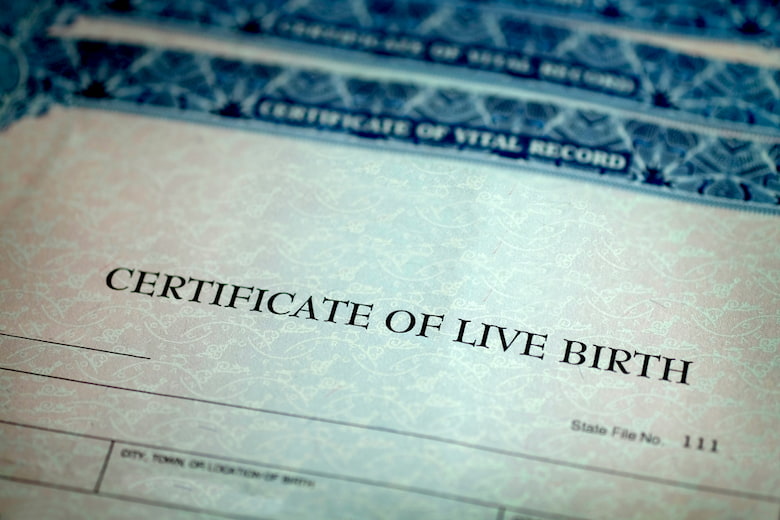
The first step is identifying which documents require translation. This usually depends on the destination country, visa type, and employer. Commonly requested documents include birth certificates, academic diplomas and transcripts, employment reference letters, police clearance certificates, and sometimes marriage certificates or professional licenses. It is always best to consult official immigration guidelines or employer instructions before proceeding.
Once you know what needs to be translated, the next step is choosing a qualified translator or translation agency. Not all translation services are equal, and for overseas employment purposes, experience with immigration and legal documents matters. A professional service will understand formatting requirements, terminology, and certification standards specific to different countries.
After selecting a translator, you will need to submit clear copies of your original documents. These should be high-quality scans or photographs, as unclear text can lead to errors or delays. The translator will then produce a full, faithful translation of the document, including any stamps, seals, or handwritten notes.
Once the translation is complete, a certification statement is added. This statement confirms the accuracy of the translation and includes the translator’s signature, name, and contact details. In some cases, additional steps such as notarization may be required, depending on where you plan to work overseas.
Before submitting the documents, it is wise to review them carefully. Pay close attention to names, dates, and numbers, as even small inconsistencies can cause problems during the application process.
Common Mistakes and Risks to Avoid
Despite good intentions, many applicants encounter problems simply because they underestimate the importance of certified translation.
One frequent mistake is submitting non-certified translations. Even if the translation itself is accurate, authorities typically reject documents that lack formal certification. Another common issue is translating only part of a document while leaving out stamps, seals, or marginal notes. From an official perspective, missing information can raise concerns about document integrity.
Applicants also sometimes choose the wrong target language. While English is widely used, not all countries accept English translations by default. Some require documents to be translated into the country’s official language, such as German, French, or Japanese.
Name inconsistencies are another recurring issue. Differences in spelling between passports and translated documents can result in delays or requests for clarification. Additionally, using machine translation tools poses a serious risk, as automated translations are not accepted for certified purposes.
Finally, some countries only recognize translations completed by sworn or court-approved translators. Using an unrecognized service may mean having to redo the entire process.
Which Documents Usually Require Certified Translation to Work Overseas?
When preparing to work overseas, one of the most common questions people ask is which documents actually need certified translation. The answer depends on the destination country, visa category, and employer, but there are several documents that are almost always included.
In most cases, civil documents such as birth certificates are required, especially for visa and residency applications. Educational documents are also critical, including diplomas, degree certificates, and academic transcripts, as employers and authorities need to verify qualifications earned abroad.
Employment-related documents frequently require certified translation as well. These may include reference letters, employment contracts, or proof of work experience. In addition, many countries require a police clearance certificate to ensure applicants meet security and character standards.
For regulated professions, professional licenses or certifications often need certified translation so that local authorities can assess eligibility accurately. While requirements vary, it is generally safer to assume that any official document submitted for overseas employment will need certified translation unless explicitly stated otherwise.
Is Certified Translation Mandatory for All Countries?
Although requirements differ from one country to another, certified translation is mandatory in the majority of cases when you plan to work overseas. Immigration authorities and government institutions typically require certified translations to ensure legal clarity and consistency.
Some countries have particularly strict standards, requiring translations to be completed by sworn or court-approved translators. Others may accept certified translations from professional agencies, provided they meet specific formatting and declaration requirements.
There are limited situations where certified translation may not be required, such as when documents are already issued in the official language of the destination country. However, even in these cases, authorities may still request certification to avoid ambiguity.
Since rules can change and interpretations may vary, it is always best to check official immigration guidelines or employer instructions rather than relying on assumptions.
What Is the Difference Between Certified Translation and Notarized Translation?
This distinction often causes confusion for people preparing to work overseas. While both involve official validation, they serve different purposes.
Certified translation focuses on the accuracy and completeness of the translation itself. The translator formally declares that the translated document faithfully reflects the original content. This declaration is what makes the translation acceptable for immigration and employment purposes.
Notarized translation, on the other hand, involves a notary public who verifies the identity of the translator, not the accuracy of the translation. The notary does not confirm whether the translation is correct—only that the person signing the certification is who they claim to be.
Some countries require certified translation only, while others request both certification and notarization. Understanding this difference early can help you avoid unnecessary delays or duplicated work.
How Long Does Certified Translation Take for Overseas Employment Documents?
The time required for certified translation largely depends on the number and complexity of documents involved. Simple documents such as birth certificates or police clearance certificates are often completed within one to three business days.
More extensive files, such as academic transcripts with multiple pages or detailed employment records, may take longer. Factors like language pair, formatting requirements, and urgency also influence turnaround time.
Many professional translation services offer expedited options for applicants facing tight deadlines. However, rushing the process without proper review can increase the risk of errors, which may ultimately slow down your application.
Planning ahead and starting the certified translation process early is one of the easiest ways to reduce stress when preparing to work overseas.
Can Certified Translations Be Reused for Multiple Overseas Applications?
In some cases, certified translations can be reused, but this depends heavily on the requirements of the receiving authority. Some immigration offices accept previously certified translations as long as they remain accurate and unchanged.
However, other authorities require translations to be issued within a certain time frame or by specific translators. Employers may also have their own standards, particularly for internal verification or compliance purposes.
Due to these variations, it is essential not to assume that one certified translation will automatically work for every application. When in doubt, confirming requirements in advance can save both time and additional translation costs.
How to Choose a Reliable Service Provider to Translate Document Needed?
When dealing with important documents, choosing a translation service is not merely about convenience. Whether the documents are for immigration, education, or plans to work overseas, accuracy and reliability matter more than speed alone.
With so many providers offering translation services, it helps to understand what actually separates a dependable service from one that may cause problems later.
Start by Understanding Your Requirements
Before selecting a provider, clarify what your documents will be used for. Many official applications require certified translation, and some may also demand additional verification such as notarization. Knowing these requirements early helps you avoid choosing a service that cannot meet official standards.
Make Sure Certified Translation Is Available
A reliable provider should clearly offer certified translation and explain what that certification includes. They should be transparent about whether their translations are accepted for legal, immigration, or employment purposes. If certification is unclear or treated casually, that is usually a warning sign.
Look for Experience with Official Documents
Not all translation work is the same. Providers experienced in translating official documents understand the importance of accuracy, formatting, and consistency. They handle names, dates, stamps, and legal terms carefully, without rewriting or interpreting the content.
Confirm Language and Destination Requirements
Different countries accept different languages. A professional service will ask where the documents will be submitted and recommend the appropriate target language, rather than assuming one language fits all cases.
Pay Attention to Communication and Transparency
How a provider responds to questions can tell you a lot. Clear explanations, realistic timelines, and willingness to guide you through the process usually indicate a reliable service. Vague answers or overly fast promises may signal poor quality control.
Don’t Choose Based on Price Alone
While cost matters, unusually low prices often come with risks. Certified translation requires professional responsibility, and reliable providers are transparent about pricing and what is included.
Behind every successful overseas application lies careful preparation. Trusted translation support can be part of that foundation. In accordance with that, Digital-Trans Asia provides professional translation, interpretation, and localization services for business across Asia. The staff helps ensure everything is handled properly from the start.
Conclusion: Why Certified Translation Matters More Than You Think
When planning to work overseas, it is easy to focus on the big-picture goals—career advancement, personal growth, and new experiences. However, success often depends on the smaller, less visible steps taken along the way. Certified translation is one of those steps.
By ensuring that your documents are translated accurately, completely, and officially, you remove a major obstacle from the overseas employment process. Certified translation enables authorities to trust your paperwork, helps employers understand your background, and allows applications to move forward without unnecessary friction.
Rather than viewing it as a bureaucratic burden, certified translation is best seen as an investment in clarity and credibility. When done properly, it protects your time, your opportunities, and your future abroad.
Ready to streamline your overseas application with expert certified translation services? Visit https://digital-trans.asia/ to learn more about our services. Contact us today to get started!