What Game Localization Covers Beyond Simple Translation
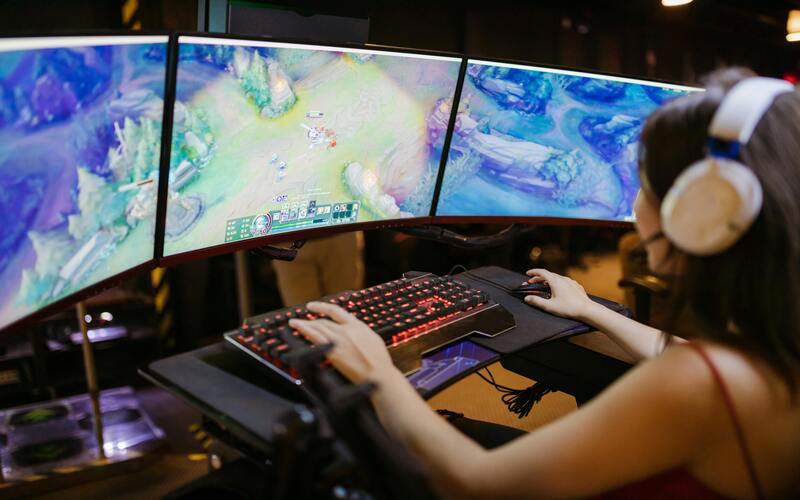
Game localization involves comprehensively adapting game content to suit the language, culture, social context, and regulations of the target market, rather than simply translating text. This process includes adapting terminology, dialogue, visuals, audio, cultural references, user interfaces, and even legal elements to ensure the gaming experience remains relevant and understandable to players in a specific region.
Definition / Explanation
Game localization is the process of comprehensively adapting a game to ensure it is understandable, acceptable, and enjoyable for players in a specific market or region. This process extends beyond text translation to encompass cultural nuances, social context, visual assets, audio, and technical or legal requirements to meet local market needs. Localization aims to create a gaming experience that feels natural, relevant, and unambiguous for players from diverse cultural backgrounds.
Beyond language and cultural aspects, game localization also involves technical adjustments that are often invisible to players. This includes setting date and time formats, measurement systems, in-game currency, and compliance with country-specific content regulations. Some regions have specific restrictions regarding symbols, depictions of violence, religion, or political elements, requiring game content to be adapted for legal and safe release.
Read More: Digital-Trans Asia: Your Certified Sworn Translation Experts in SEA
Localization also plays a role in maintaining a consistent user experience. The user interface (UI) and user experience (UX) often need to be modified due to differences in text length between languages or the reading habits of local players. Languages with longer sentence structures can affect the layout of menus, buttons, and dialog boxes, requiring design adjustments to maintain user-friendliness.
In a narrative context, localization involves more than just translating dialogue; it also ensures that the characters, storyline, and emotions conveyed remain relevant to the target audience. Humor, idioms, or cultural references that are effective in one country can lose their meaning in another if not adapted. Therefore, localization serves as a bridge between the developer's creative vision and the understanding of players across cultures, ensuring the game remains cohesive, coherent, and authentic across global markets.
Benefits / Use Cases
Game localization provides several strategic benefits for developers, stakeholders, and players globally, such as:
- Improving player accessibility and understanding of the game's story, missions, and mechanics.
- Reaching global markets with appropriate language and cultural adaptations.
- Reducing the risk of cultural misunderstandings or sensitive terminology.
- Increasing player engagement and long-term retention.
- Complying with local content regulations and standards in various regions.
- Maximizing revenue potential by tapping into non-English-speaking markets
In practice, localization is used by games planned for global launch, live-service games with regular updates, and games targeting player communities in multiple countries.
The Impact of Localization in the Gaming Industry: Latest Statistics and Trends
The game localization industry is growing rapidly in line with increasing global market demand. According to the Video Game Localization Market Report, the global game localization market is projected to reach US$5.14 billion by 2025 and is expected to grow to US$12.06 billion by 2033, with an average annual growth rate of approximately 11.25%. This growth is driven by the increasing number of games being released globally with multilingual support and comprehensive cultural adaptation. This trend demonstrates that when games are thoroughly adapted for various markets, they are not only more easily accepted by local gaming communities but also able to penetrate regions that were previously difficult to reach without proper localization.
How It Works / Process

Here are the general steps involved in the game localization process:
-
Initial Content Analysis
Identify all game elements that need to be adapted: text, dialogue, interface, audio, visuals, and cultural references. -
Contextual Language Translation
The text is translated while accounting for the narrative context, genre, and relevant game terminology. -
Cultural Adaptation and Local Context
Elements that are potentially sensitive or poorly understood in a particular market are adjusted (e.g., idioms, humor, cultural symbols). -
Audio and Visual Localization
Subtitles, voice-overs, symbols, icons, or colors are adjusted to maintain their meaning and avoid offending local players. -
Technical Integration in the Game
The localized content is implemented and tested within the game system, including UI adjustments due to differences in text length. -
Quality Assurance & Testing
Testing is conducted to ensure there are no language errors, technical bugs, or contextual loss after localization is complete.
This structured process helps ensure the game experience remains consistent and relevant across target markets.
Common Mistakes / Risks
Some common mistakes that often occur in game localization include:
- Treating localization as simply a word-for-word translation.
- Not considering the cultural and social context of dialogue text.
- Ignoring local language variations and idioms.
- Not conducting thorough testing after local content is integrated.
- Inconsistent terminology across different parts of the game.
These mistakes can lead to a poor gaming experience, player confusion, and even negatively impact the game's image in certain markets.
FAQ
What is the difference between game localization and game translation?
Game translation is the process of directly translating in-game text from one language to another, with minimal adjustment for cultural context. Meanwhile, game localization involves translation and adaptation of culture, context, humor, symbols, and even visual elements to ensure the game feels natural and relevant to players in the target market.
Do all games need localization?
Not all games require localization, especially if the target market is limited to one language or region. However, for games that aim to reach a global audience, localization is crucial to ensure the gameplay experience feels relevant and understandable across cultures.
How much does localization cost and how long is the turnaround?
Localization costs vary depending on the word count, content complexity, number of target languages, and additional requirements such as dubbing and quality testing. The process can take several weeks to several months, depending on the scale of the project and the resources involved.
Does localization affect gameplay?
Yes, localization can impact gameplay if elements like dialogue, hints, interface, or even specific mechanics are adjusted to suit the culture and regulations of the target market. However, typically, the core gameplay mechanics remain the same and are not significantly altered.
The Role of Localization Service Providers

In international projects, engaging an independent localization service provider plays a crucial role in managing the complexity of this process, improving consistency, and ensuring the quality of game content adaptations for various languages and cultures.
Professional localization services help manage linguistic and cultural consistency across different markets.
Digital Trans Asia provides professional translation, interpretation, and localization services for businesses across Asia.
Conclusion
Game localization is a crucial process that extends far beyond simple translation. By incorporating various adjustments to language, culture, visuals, audio, and technical and legal aspects, localization helps games expand globally and reach players from diverse cultural backgrounds. Recent industry data shows that the need for localization is increasing as the global market grows, opening up wider opportunities for games properly prepared for international audiences.
Ready to expand your global reach with expert game localization services? Visit https://digital-trans.asia/ to learn more about our services. Contact us today to get started!