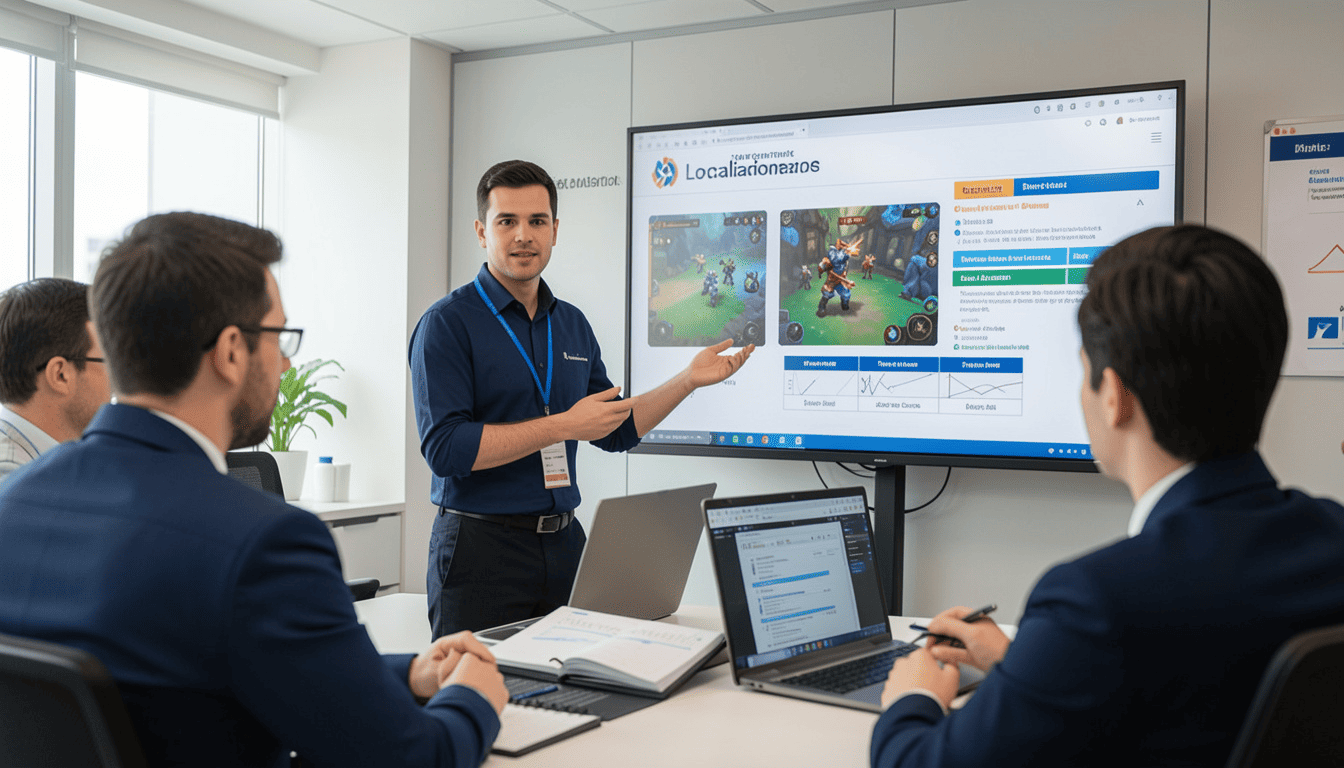
Why Southeast Asia's Dubbing Market Is Growing Fast
The growth of Southeast Asia's dubbing market is attributed to increased consumer demand for localized entertainment, gaming, streamable content, and digital media across the region. As global providers of entertainment and companies attempt to connect with the multilingual audience more efficiently, dubbing has emerged as an indispensable tool of localization, providing high accessibility, audience engagement, and cultural adaptation.
What Is Southeast Asia's Dubbing Market?
Southeast Asia's dubbing market is a booming industry that translates movies, TV shows, animated cartoons, video games, ads, corporate videos, e-learning videos, and more into the native languages of Southeast Asian countries.
This localization industry adds native voices that mimic original emotion, meaning, delivery, and intent through professional voice talents, with dubbing becoming as significant as ever, with an increasing focus being placed on translation services within Southeast Asia (Indonesia, Thailand, Vietnam, Malaysia, Philippines, Singapore, Cambodia, Myanmar, Laos, Brunei, and Timor-Leste). It makes professional localization increasingly necessary for businesses and content producers.
While subtitles are still used by some, dubbed content has become very popular for kids' entertainment, animated features, dramas, streaming originals, and mobile games, among others. Users appreciate being able to listen in their local languages as opposed to using subtitles when viewing the content on mobile platforms or multitasking.
Why Southeast Asia's Dubbing Market Is Growing
Several factors are accelerating the growth of Southeast Asia's dubbing market.
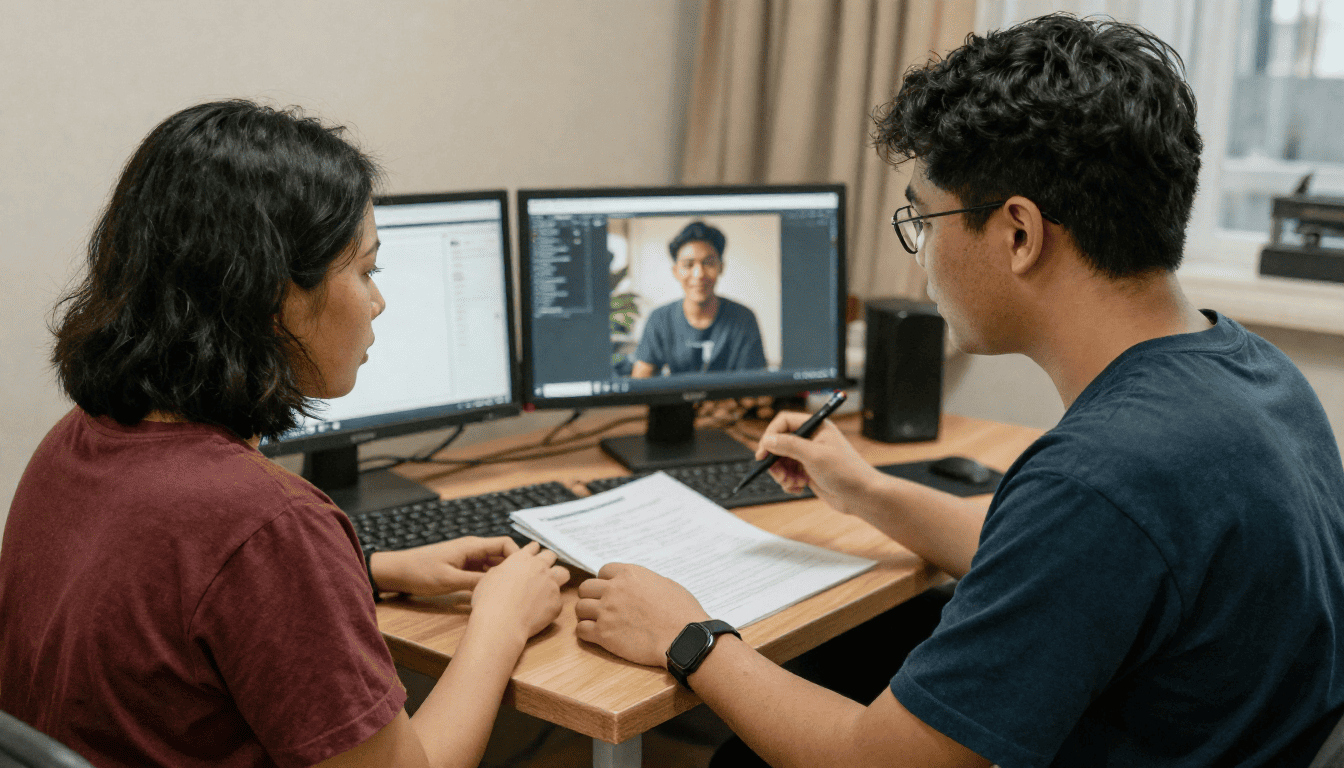
1. Streaming Platforms Are Investing in Localized Content
Streaming services have transformed how audiences consume entertainment. Rather than offering only subtitled versions, major platforms now release multilingual audio tracks simultaneously to improve user experience and expand their subscriber base.
Local-language dubbing also helps streaming companies compete in markets where consumers increasingly expect personalized viewing experiences.
2. Southeast Asia's Digital Economy Continues to Expand
The region has become one of the world's fastest-growing digital markets. According to Google, Temasek, and Bain & Company, Southeast Asia continues to experience strong growth in internet users, digital services, and online entertainment, creating more demand for localized multimedia content.
As more consumers spend time watching videos, streaming movies, and playing online games, businesses need high-quality dubbing to communicate effectively with local audiences.
3. The Language Services Industry Is Growing Rapidly
Although Southeast Asia-specific dubbing figures remain limited, broader market data demonstrates strong growth in localization services.
The Southeast Asian language-services market is projected to increase from US$1.59 billion in 2024 to approximately US$2.93 billion by 2033, reflecting rising demand for translation, localization, interpretation, and multimedia language solutions across industries.
At the same time, the Asia Pacific film dubbing market is expected to grow at a compound annual growth rate (CAGR) of 7.5%, driven by expanding streaming platforms, international film distribution, and multilingual audiences.
Together, these trends indicate that dubbing is becoming an increasingly valuable segment within the region's broader localization ecosystem.
4. Gaming Localization Is Becoming Essential
Southeast Asia has one of the world's largest mobile gaming communities.
Story-driven games increasingly require professional voice acting to create immersive experiences. Players expect localized dialogue that feels natural, making dubbing an important investment for global game publishers entering the region.
5. Cross-Border Business Is Increasing
Dubbing is no longer limited to entertainment.
Businesses across Asia now localize:
- Employee training videos
- Marketing campaigns
- Product tutorials
- Customer support materials
- Healthcare education
- Tourism promotions
- Financial education content
Professional dubbing enables companies to communicate more naturally with customers and employees in multiple countries.
Benefits of Southeast Asia's Dubbing Market
Businesses, media companies, and consumers all benefit from the continued growth of Southeast Asia's dubbing market.
Better Viewer Engagement
- Audiences can focus on the story instead of reading subtitles.
- Native-language audio improves emotional connection.
- Viewers are more likely to complete videos when dialogue feels natural.
Greater Accessibility
Dubbed content benefits:
- Children
- Elderly audiences
- Individuals with reading difficulties
- People watching content while multitasking
Stronger Cultural Connection
Professional dubbing adapts expressions, humor, and cultural references to fit local audiences while maintaining the creator's original intent.
For example, jokes or idioms that work in English may be rewritten to sound natural in Indonesian or Thai instead of being translated literally.
Improved Brand Credibility
According to CSA Research, consumers are significantly more likely to purchase products when information is available in their own language.
Professional dubbing helps businesses present themselves as trustworthy and culturally aware rather than appearing foreign or disconnected from local audiences.
Better Return on Existing Content
Instead of producing separate videos for every country, organizations can localize existing content through dubbing, making one production accessible across multiple markets.
How Professional Dubbing Works
Creating high-quality dubbed content requires collaboration between translators, localization specialists, voice actors, directors, and audio engineers.
1. Review the Original Content
Localization specialists evaluate:
- Target audience
- Industry terminology
- Cultural references
- Humor
- Brand voice
- Emotional tone
2. Translate and Localize the Script
Rather than translating word for word, linguists adapt dialogue to sound natural for native speakers while preserving the original meaning.
3. Synchronize the Dialogue
Scripts are adjusted to match on-screen timing and, when necessary, lip movements.
This synchronization helps viewers feel that the dialogue naturally belongs to each character.
4. Record Professional Voice Actors
Voice actors perform the localized script under the guidance of dubbing directors, who ensure consistency in pronunciation, pacing, and emotional delivery.
5. Edit and Mix Audio
Engineers combine dialogue with background music and sound effects while maintaining audio quality throughout the production.
6. Conduct Quality Assurance
Before release, localization teams verify:
- Translation accuracy
- Cultural appropriateness
- Audio synchronization
- Pronunciation consistency
- Technical quality
Common Challenges in Southeast Asia's Dubbing Market
Despite its rapid growth, the industry faces several challenges.
Managing Multiple Languages
A single project may require localization into Indonesian, Thai, Vietnamese, Malay, Filipino, and other regional languages.
Each language requires native expertise because cultural expectations differ significantly across countries.
Best practice: Work with native-speaking localization professionals for every target market.
Finding Experienced Voice Talent
Demand for skilled voice actors has increased alongside streaming and gaming production.
Some languages have relatively limited talent pools, making casting more competitive.
Best practice: Build long-term relationships with experienced voice actors and studios.
Preserving Cultural Authenticity
Literal translations often fail to capture humor, emotions, or cultural references.
Professional localization ensures dialogue feels authentic instead of simply translated.
Best practice: Include cultural reviewers during the quality assurance process.
Balancing AI and Human Creativity
AI voice technology can speed up production, but emotional storytelling, character performance, and cultural nuance still rely heavily on human expertise.
Best practice: Use AI to improve efficiency while keeping creative decisions in human hands.
FAQ
Why is Southeast Asia's dubbing market growing so quickly?
Growth is driven by streaming platforms, mobile gaming, expanding digital content, multilingual audiences, and increasing demand for localized customer experiences.
Which industries use dubbing besides entertainment?
Education, healthcare, corporate training, tourism, finance, software, e-learning, and marketing all use professional dubbing.
Which Southeast Asian languages are most commonly dubbed?
Indonesian, Thai, Vietnamese, Malay, and Filipino are among the most requested languages due to their large audiences.
Is dubbing better than subtitles?
Neither is universally better. Dubbing improves accessibility and immersion, while subtitles preserve original performances. The preferred option depends on the audience and content type.
Can AI replace professional dubbing?
AI can assist with production, but professional voice actors remain essential for delivering natural emotions, cultural nuance, and engaging performances.
Why is localization important for dubbing?
Localization ensures dialogue sounds natural, culturally appropriate, and relevant rather than being translated literally.
How long does a dubbing project usually take?
Production timelines depend on content length, language count, script complexity, and quality assurance requirements. Projects may range from several days to multiple weeks.
What makes high-quality dubbing successful?
Successful dubbing combines accurate translation, cultural adaptation, professional voice acting, experienced direction, and thorough quality assurance.
How Professional Localization Supports Better Dubbing
High-quality dubbing involves much more than recording translated dialogue. Successful localization combines linguistic expertise, cultural adaptation, professional voice direction, and technical audio production to ensure the final content feels authentic to local audiences.
Working with experienced localization specialists helps businesses deliver consistent messaging. Digital-Trans Asia provides professional translation, interpretation, and localization services for businesses across Asia.
Conclusion
Southeast Asia's dubbing market continues to grow as audiences increasingly expect entertainment, educational content, games, and business communications in their native languages. Although dedicated regional dubbing statistics remain limited, broader market trends paint a clear picture.
As streaming platforms, global businesses, and digital creators expand across Southeast Asia, professional dubbing will play an increasingly important role in making content accessible, culturally relevant, and engaging.
Companies that invest in high-quality localization today will be better positioned to connect with diverse audiences throughout one of the world's fastest-growing digital regions.
Ready to localize your content with professional dubbing services for Southeast Asia? Visit https://digital-trans.asia/ to learn more about our services. Contact us today to get started!