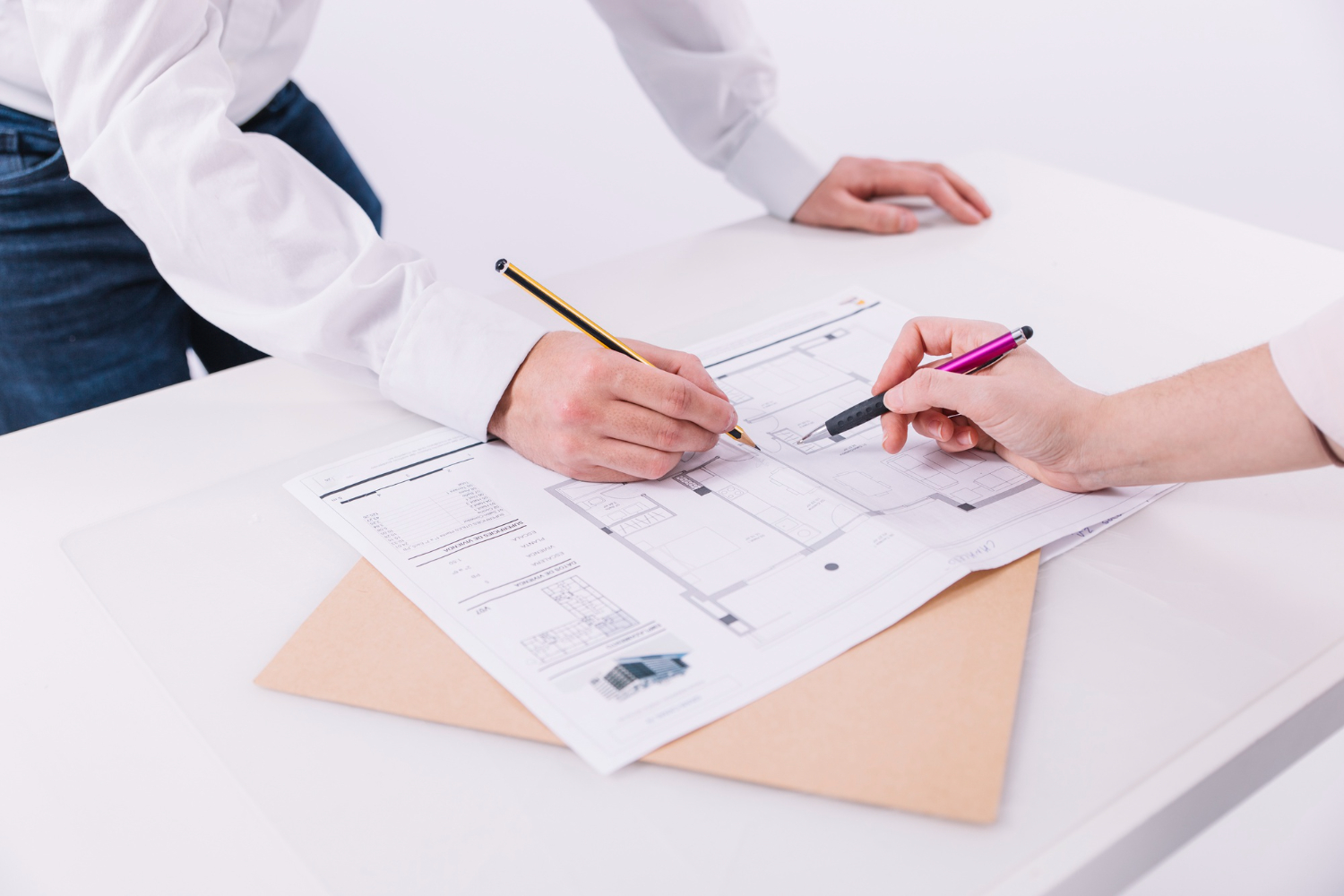
Expert Technical Translation: From Manuals to Reports
Expert Technical Translation: From Manuals to Reports
Meta Description:
Learn how expert technical translation ensures accuracy, consistency, and compliance across manuals, reports, software, and engineering documentation with Digital-Trans Asia.
Keyword SEO:
technical translation services, expert technical translation, technical document translation, engineering translation, technical manuals translation, professional technical translation
With the modern technology regulations across many industries, there has been an increased demand for accurate and timely documentation. For this reason, the process of technical translation is now even more crucial than it was in previous times.
Although technical translation is so important to many people, they only view it as a way to convert text from one language to another. There are many different steps and processes involved that require a lot of planning and engineering. Read on to learn about the steps and why each step needs to be performed with exacting precision and has many technical requirements.
What Is Technical Translation?
Technical translation is the process of translating highly specialized texts related to scientific, technological, or engineering fields. However, unlike general translation, this discipline demands the ability to interpret, reorganize, and communicate knowledge produced from technical writers, engineers, or subject-matter experts.
Read more: Journal Translation for Non-English Scientific Publications
These texts often originate from fields where precision is crucial, like engineering, manufacturing, IT, medical devices, automotive, or energy, or even legal-technical fields such as patents. This means that a technical translator should have knowledge of general underlying concepts, safety principles, and domain conventions that shape those texts in the first place.
To do this effectively, technical translators need to understand extensive terminology, write according to strict rules, and be aware of how that text will be used in the real world. They are also closely related to the field of technical communications, which continues to evolve as a result of ongoing research in usability, cognitive psychology, and information design.
Another important pillar of this field is consistency. Terminology must remain stable across manuals, UI strings, safety labels, diagrams, and training materials in all technical domains, be they medical, aerospace, software, or patent documentation. This explains the critical role of CAT tools, translation memories, and terminology databases.
Technical translation not only faces the challenge of translatability, but also the task of taking highly condensed, jargon-laden information and making it accessible to a wider audience, while still retaining the original content and integrity (no dumbing down). This means that the translator has to find a balance between creating clear, easy-to-understand text and meeting the aesthetic or structural conventions of what is typically considered "technical writing".
The Workflow Behind Technical Translation
Here are the core stages that shape a successful technical translation:
Pre-Translation Engineering
Before translators start working with any files, they must first go through many engineering phases, which are usually not visible to most end-users. However, this engineering phase is extremely critical to ensuring that projects will be executed correctly rather than requiring numerous edits later down in the process due to issues with earlier phases.
1. File Preparation
Technical documents rarely arrive in simple formats. They usually come in XML, JSON, InDesign, FrameMaker, or exports pulled from complex CMS systems. These formats are full of structure, dependencies, and hidden logic. Because of that, translation teams must step in first to make the content translation-ready.
This involves:
- Extracting only the text that should be translated without disturbing the underlying architecture
- Cleaning formatting issues that may confuse CAT tools
- Identifying code-like segments and locking them to prevent accidental modification
- Preparing graphics, layered diagrams, and callouts so translators can work with them safely
- Ensuring metadata parses correctly and does not break during processing
When this groundwork is done well, the content flows into CAT tools cleanly, and the document’s internal logic remains protected. In many cases, this stage makes the difference between a seamless workflow and a project clogged with technical errors.
2. XML Handling
XML adds structural complexity that directly affects the stability of technical translation outputs. Because these formats rely on modular architecture, even a single misplaced tag can compromise every topic, variable, or cross-reference connected to it. Therefore, translators must ensure:
- Topic hierarchies remain intact
- Variables stay linked to the correct modules
- Cross-references still point to the right locations
- Conditional rules behave as expected after translation
Just one misplaced tag in an XML file can corrupt an entire output build. This isn’t an exaggeration; teams often discover that a single character error prevents hundreds of pages from generating correctly. That’s why this phase requires meticulous attention to detail and a deep understanding of structured authoring.
3. Tag Protection
Technical documents often contain inline tags, interface strings, caution markers, and structural placeholders. These elements aren’t decorative; they control formatting, functionality, or product behavior. If a translator unintentionally modifies them, the consequences can be serious, such as formatting breaks, UI mismatches, or safety instructions rendering incorrectly.
4. Isolation of Variable Fields
Technical documents often reference data that changes frequently—firmware versions, part numbers, macros, product codes, serial formats, and so on. Rather than letting translators edit these manually (and risk inconsistencies), engineers isolate these fields. This ensures that when they update once, they update everywhere.
Integration With the Product Development Cycle
One of the biggest differences between technical translation and general translation is how closely it mirrors the pace of product development. Documentation is no longer written at the end of a project, but it evolves in real time as the product itself changes. That means translation teams must move in lockstep with engineering, UX, and QA.
1. Alignment With Agile Sprints
Hardware and software teams work in rapid development cycles. Features shift, UI screens change, safety notes get updated, and entirely new components appear within days. Documentation teams must update their drafts accordingly, and the translators have to sync with these updates.
This requires:
- Continuous localization pipelines
- Fast processing of incremental changes
- Strict version control across teams
- Alignment with sprint calendars and release milestones
If translation lags behind, the risk is clear: the product launches with instructions or UI text that no longer match the current build.
2. Cross-Functional Collaboration
High-quality technical translation is not a siloed activity. It thrives on teamwork. Translators and localization specialists often work directly with:
- Product managers who clarify intent
- Engineers who explain how things work under the hood
- UX writers who ensure linguistic alignment with the interface
- QA teams that validate accuracy
- Compliance teams that confirm regulatory requirements
Localization Testing for Technical Materials
Translation doesn’t end when the text is finalized. Technical materials must be tested in a real context to ensure that the words align with the actual product, whether the product is physical or digital.
1. Physical Manual Verification
For hardware products, this step is non-negotiable because every instruction must hold up in real operational conditions. They have to verify whether diagrams match actual components, whether each procedure works when followed hands-on, and whether terms align with physical labels.
2. UI, Graphics, and Diagram Testing
In this stage, testers ensure every visual element aligns perfectly with the final product. They verify that callouts are placed correctly, translated text fits without overflowing, icons remain consistent with established standards, and diagrams still reflect the intended meaning after translation.
3. Linguistic Validation for Safety-Critical Documents
Medical devices, aviation, energy, and heavy machinery are some industries that necessitate verifiable correctness in addition to accuracy. The stakes are high; thus, translation materials are subjected to multiple layers of review, from subject matter expert checks to regulatory audits and technical validation against real operating conditions.
How to Choose the Right Technical Translation Service

In a regulated or high-risk environment, choosing your business partner is as important as implementing all applicable regulations. It’s because something wrong in production will directly affect consumer safety and product reliability that will eventually affect user confidence in your products. Below are the core criteria by which partners can be evaluated:
Proven Experience in Technical Domains
A competent translation agency must demonstrate real experience with industries such as manufacturing, engineering, IT, or scientific fields. When translating technical documents into multiple languages, caution should be exercised due to the presence of a large number of terms and phrases that are specific to particular fields of study.
Failure to possess a comprehensive understanding of the relevant subject matter could result in the production of flawed translations and misinformation for those receiving them.
Engineering-Driven Capabilities
High-quality technical translation cannot stand without strong engineering support. Your vendor should have file engineers who handle complex formats, localization specialists who align content with product environments, terminology managers who maintain consistency, and QA analysts who validate every stage.
Linguistic Expertise
Strong linguistic ability is one of the clearest hallmarks of a reliable provider. A good translation agency should provide you with a translator who is fluent in your target language at a native level, and also as close to native-like fluency in the source language as possible. This results in a translation that not only has a natural feel, accurately represents the original message, but also eliminates any risk of subtle mistakes occurring.
Read more: 7 Skills in Translation to Help Your Career in the Industry
Turnaround Reliability
Technical projects run in parallel with product development cycles, so you want to have a partner who can commit to reliable delivery times. A good agency will be transparent about its capacity, clearly communicate what is possible, and offer expedited turnaround options when urgent updates arise.
Transparent Pricing
Look for a provider that outlines costs upfront, avoids hidden fees, and explains what each service tier includes. Transparent pricing not only helps you plan efficiently but also reflects the agency’s professionalism and long-term mindset. Providers who are upfront about costs typically operate with accountability, making them more trustworthy partners for ongoing or large-scale projects.
Digital-Trans Asia: Your Ideal Partner for Your Technical Translation Project
If your company needs a partner capable of delivering engineering-grade technical translation, Digital-Trans Asia is an excellent choice. We offer:
- Experienced technical translation team
- Advanced file engineering and format handling
- Strong terminology management practices
- Compliance-ready QA frameworks
- Seamless integration with Agile development cycles
- Expertise across software, hardware, scientific, and industrial domains
Rather than simply converting text between languages, Digital-Trans Asia provides precise, dependable, and audit-ready documentation, so you can ensure that your translated content performs exactly as intended across every operational environment.
Need technical documentation that performs flawlessly across languages, systems, and regulations?
Work with Digital-Trans Asia to ensure your manuals, reports, software documentation, and technical content meet the highest standards of accuracy, consistency, and compliance.
👉 Explore our technical translation services: https://digital-trans.asia/
👉 Consult our experts: https://digital-trans.asia/contact-us
👉 Grow with us: https://digital-trans.asia/careers
Engineering-grade precision starts with the right translation partner.