
How Dubbing Localization Supports Market Expansion
Dubbing localization has become an essential strategy for content providers seeking to expand into international markets, especially as digital audiences continue to grow across Asia. According to DataReportal, Asia represents one of the world’s largest digital user bases, creating significant opportunities for localized content through high-quality dubbing that adapts language, cultural context, and viewer preferences.
Definition / Explanation
Dubbing localization replaces original audio with translated and culturally adapted dialogue in the target language, including adjustments to intonation, expression, lip-sync, and voice talent selection to create a natural viewing experience. As digital video consumption and streaming services grow, dubbing has become an important strategy for media companies and content owners to expand globally by improving accessibility and overcoming language barriers. With 76% of consumers preferring content in their own language according to CSA Research, localized audio helps enhance audience comfort, engagement, and cross-market growth opportunities.
Benefits / Use Cases
Dubbing localization provides significant benefits for streaming platforms, media companies, educational institutions, organizations, and businesses aiming to distribute video content across international markets. By adapting spoken dialogue into local languages while maintaining cultural relevance, dubbing helps content reach wider audiences and create stronger connections with viewers.
Expanding Market Reach
Dubbing localization allows content to become accessible to audiences who do not understand the original language, enabling companies to expand into new countries more efficiently. Instead of producing separate versions for each market, businesses can adapt existing videos to reach diverse audiences while maximizing distribution opportunities.
Enhancing the Viewing Experience
Localized audio allows viewers to focus on the visuals and storyline without relying heavily on subtitles. By delivering dialogue in a familiar language with natural tone and expression, dubbing creates a more comfortable, immersive, and engaging viewing experience.
Increasing Viewer Retention
When audiences can understand dialogue directly through their native language, they are more likely to stay engaged and complete the content. A smoother viewing experience can improve watch time, strengthen user satisfaction, and increase loyalty toward streaming platforms or brands.
Supporting Global Streaming Strategies
Dubbing localization enables streaming platforms to launch content across multiple countries with different language preferences. By offering various language options, platforms can improve accessibility, strengthen their international presence, and remain competitive in the global streaming market.
Example of Dubbing Localization Application
For instance, a streaming platform releases a documentary series simultaneously in Indonesia, Japan, South Korea, and Thailand. In addition to providing subtitles, the platform offers dubbed versions in each market's local language. With this approach, viewers can enjoy the documentary's content in a language they understand, resulting in a more comfortable viewing experience, higher retention rates, and greater opportunities for distributing content to new markets.
How It Works / Process
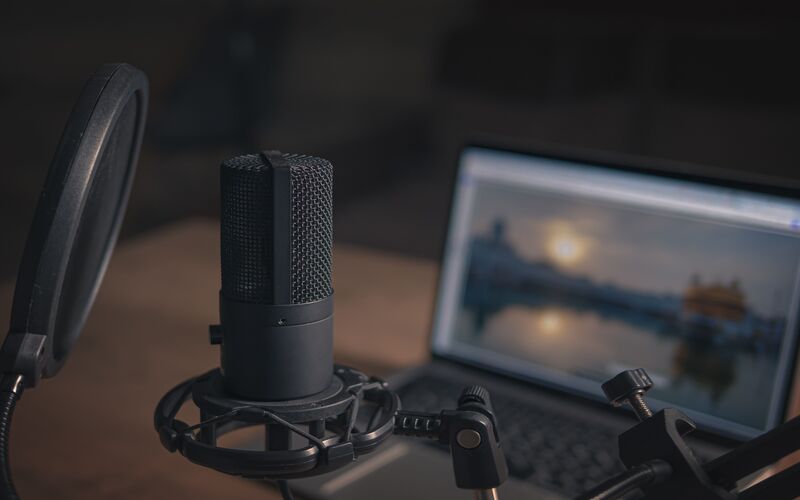
Here are the general stages of the dubbing localization process:
1. Target Audience Analysis
Determining the language, user characteristics, and content distribution goals.
2. Script Translation
Translating dialogue while considering context, linguistic style, and local culture.
3. Dialogue Adaptation
Adjusting the script to ensure it sounds natural when spoken by voice actors.
4. Voice Talent Selection
Selecting voice actors who suit the characters and the target audience.
5. Audio Recording
Voice talent records the dialogue based on the localized script.
6. Synchronization and Editing
Aligning the audio with the visuals to ensure a natural-sounding final result.
7. Quality Assurance
The team reviews language quality, audio synchronization, pronunciation, and the final output before the content is published.
For media companies, streaming platforms, and organizations aiming to reach international audiences, dubbing localization can be a key part of a global communication strategy, helping to deliver a more relevant viewing experience while expanding opportunities for business growth.
Best Practices for Dubbing Localization
Effective dubbing localization requires a balance of language accuracy, cultural relevance, and technical quality. Companies should understand target audiences, adapt dialogue naturally, select suitable voice talent, maintain audio synchronization, combine AI tools with human expertise, and apply thorough quality assurance. Supporting dubbing with localized marketing strategies, performance analysis, and a scalable workflow helps streaming platforms, media companies, and businesses deliver engaging content while expanding into international markets.
Common Mistakes / Risks
1. Overly Literal Translation
Translating dialogue word-for-word without considering context, emotion, and natural language patterns can make conversations sound unnatural in the target language. This may reduce audience connection with characters, weaken storytelling impact, and create a less engaging viewing experience. For content providers, poor dialogue adaptation can limit acceptance in new markets because viewers may feel the content does not reflect their language and communication style.
2. Inaccurate Audio Synchronization
Poor synchronization between dubbed audio, character movements, and on-screen visuals can disrupt immersion and make the content appear unprofessional. When viewers notice mismatched lip movements or delayed dialogue, their focus can shift away from the story, reducing satisfaction and overall viewing quality. Consistent audio synchronization is essential to maintaining a natural viewing experience and building trust among international audiences.
3. Unsuitable Voice Talent Selection
Choosing voice actors who do not match the character’s personality, age, emotion, or cultural expectations can negatively affect how audiences perceive the content. Even with accurate translations, an unsuitable voice performance may reduce emotional impact and make characters feel less authentic. This can weaken audience engagement and decrease the effectiveness of dubbing as a tool for market expansion.
FAQ
1. What is dubbing localization?
Dubbing localization is the process of replacing original audio with a target-language version that has been translated and culturally adapted. Its goal is to make content more accessible to audiences in different countries.
2. What is the difference between dubbing and subtitles?
Subtitles display translated dialogue as text on the screen. Dubbing replaces the original audio with a target-language version, eliminating the need for viewers to read subtitles.
3. How does dubbing support market expansion?
Dubbing helps overcome language barriers, allowing a wider audience to enjoy the content. This enables companies to reach new markets more effectively.
4. What types of content most frequently use dubbing localization?
Dubbing is widely used for movies, series, animation, short dramas, educational videos, documentaries, and streaming content. Some companies also use it for training and marketing videos.
5. How does dubbing localization enhance the viewer experience?
Users can understand the video content in their own language without relying on subtitles. This creates a more comfortable viewing experience, fostering higher engagement and viewer retention.
Conclusion
Dubbing localization has become an important strategy for companies expanding video content across international markets. By providing audio in local languages, businesses can overcome communication barriers, improve accessibility, and create a more natural viewing experience for audiences in different regions.
Beyond increasing market reach, effective dubbing localization helps improve viewer engagement, retention, and the efficiency of content distribution. The success of this approach depends on accurate translation, cultural adaptation, suitable voice talent, proper audio synchronization, and consistent quality assurance.
As global digital video consumption continues to grow, dubbing localization will remain a key factor in reaching diverse audiences and strengthening international competitiveness. Dubbing localization is a long-term business strategy that supports sustainable growth by helping companies build stronger connections with global markets. As businesses expand into global markets, dubbing localization has become a powerful strategy to help content reach audiences across different languages and cultures. By adapting dialogue with natural voice performances, cultural relevance, and professional production quality, dubbing allows streaming platforms, media companies, and content owners to deliver more accessible and engaging experiences. With the right dubbing localization approach, companies can overcome language barriers, increase audience engagement, and unlock greater growth opportunities in international markets. Digital Trans Asia provides professional translation, interpretation, and localization services for businesses across Asia.
Ready to expand your global content reach with expert dubbing localization services? Visit https://digital-trans.asia/ to learn more about our services. Explore https://digital-trans.asia/careers for career opportunities or https://digital-trans.asia/contact-us to get in touch with our team today!