
Love and Laughter: Thai Novel Translation You Can Read in Indonesian
In the crowded landscape of translated Asian romance, stories are often measured by how intense they are, how painful the longing feels, how dramatic the conflict becomes, or how much emotional endurance they demand from the reader. Yet Thai romance fiction offers a different metric. Instead of asking how much love can hurt, it asks how gently love can exist.
This philosophy is especially evident in You Are My Moonlight and its sequel You Are My Moon by Rompaeng—two novels that demonstrate why Thai novel translation has begun to attract Indonesian readers seeking emotional subtlety rather than emotional spectacle.
Instead of dramatic declarations or explosive conflict, these novels rely on atmosphere, emotional restraint, and quiet companionship. They do not chase emotional highs; they cultivate emotional depth. Kindly scroll down to discover more.
Rompaeng’s Narrative World: Romance Written in Soft Focus
Rompaeng’s writing style is best described as intimate minimalism. Events occur, but they rarely dominate the emotional space. What matters more is how characters feel in between those events, what they hesitate to say, what they notice, and what they carry internally.
Moreover, this approach presents a unique challenge and opportunity in Thai novel translation. The translator must preserve not merely meaning, but emotional texture. Over-translation risks flattening the mood; under-translation risks ambiguity. When done well, the result is prose that feels breathable, contemplative, and emotionally close.
You Are My Moonlight: Love as Emotional Illumination
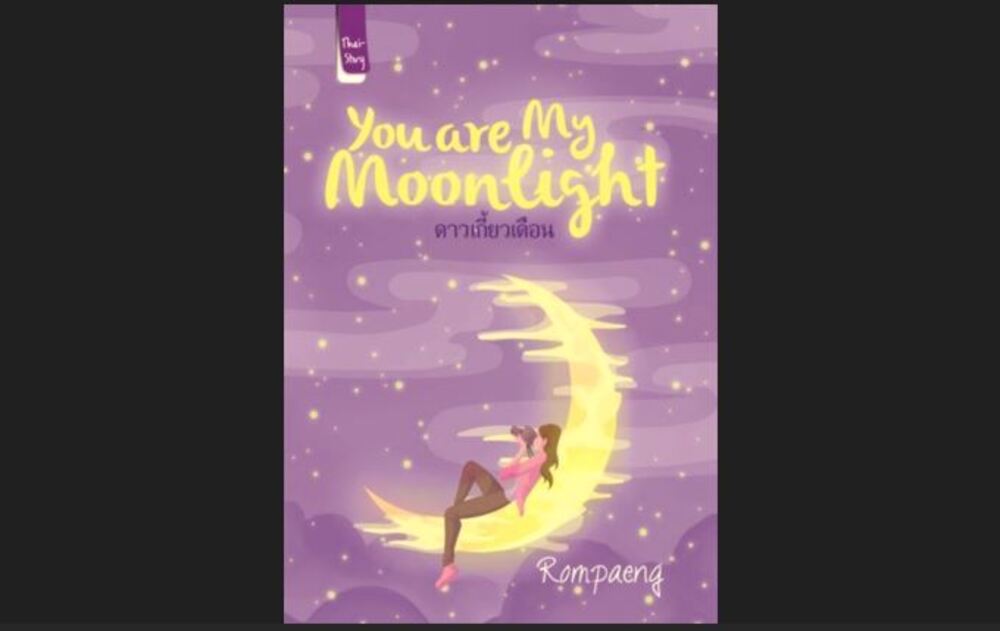
Narrative Overview (Without Spoilers)
You Are My Moonlight unfolds slowly, prioritizing emotional atmosphere over plot momentum. The story centers on characters whose emotional lives are marked by quiet loneliness and restraint. After all, love does not arrive as disruption, but as illumination—gentle, gradual, and almost hesitant.
Meanwhile, the metaphor of moonlight is crucial. Unlike sunlight, moonlight does not demand attention. It exists quietly, revealing rather than overwhelming. This metaphor shapes the entire emotional architecture of the novel.
Emotional Core: Longing Without Desperation
One of the novel’s most striking achievements is how it portrays longing without urgency. The characters want closeness, but they do not rush toward it. Instead, longing manifests through awareness of presence, emotional sensitivity to absence, and subtle shifts in perception
Hence, in the Thai novel translation, this type of emotional pacing is particularly delicate. Indonesian readers are often accustomed to explicit emotional cues. Rompaeng’s prose, however, invites readers to sit with emotional uncertainty rather than resolve it quickly.
Silence as Narrative Language
Silence functions as a narrative tool in You Are My Moonlight. Moments of non-dialogue carry emotional weight, suggesting that understanding does not always require words. As a result, this silence-driven storytelling distinguishes Thai romance from more dialogue-heavy genres. A successful Thai novel translation must respect these pauses, allowing space rather than filling it with explanation.
You Are My Moon: Love as Emotional Continuity
A Sequel That Refuses Escalation
Where many sequels intensify conflict, You Are My Moon does the opposite. It explores what happens after emotional clarity begins to emerge. The novel examines how love survives normalcy, routine, vulnerability, and emotional honesty.
In other words, rather than asking “Will they love each other?,” the sequel asks, “How does love remain gentle once it becomes real?”
Emotional Maturity Over Emotional Drama
Furthermore, this novel is quieter, warmer, and emotionally steadier than its predecessor. The characters are no longer navigating pure uncertainty, but emotional responsibility. In line with this essence, the key themes include trust as daily practice, love expressed through consistency, and emotional presence over romantic pursuit. For readers, this creates a rare experience—a romance that does not depend on tension to remain engaging.
Translating Emotional Stability
In Thai novel translation, emotional stability can be harder to convey than emotional turmoil. Without dramatic events, the translator must rely on tone, rhythm, and subtle language choices to sustain engagement. Meanwhile, You Are My Moon succeeds due to the translation’s preservation of the novel’s emotional calm, allowing readers to feel reassured rather than restless.
Literary Themes Across the Duology
- Love as Companionship, Not Conquest
Rompaeng rejects the idea of love as possession or victory. Instead, it is portrayed as shared emotional space—something sustained, not seized.
- Emotional Restraint as Strength
Characters do not overshare or emotionally collapse. Their restraint reflects self-awareness rather than repression, challenging common romance tropes.
- Time as Emotional Medium
Emotions unfold over time, not through events. The novels trust patience as a narrative force. Thus, these themes align closely with why Thai novel translation resonates with readers seeking emotionally healthy narratives.
Why These Novels Work so Well in Indonesian Translation

The success of You Are My Moonlight and You Are My Moon in Indonesian is not accidental. It is the result of a rare alignment between narrative style, emotional sensibility, and linguistic compatibility. In the broader conversation about Thai novel translation, these two novels stand out since they demonstrate how translation can preserve emotional intimacy rather than dilute it.
Below are the key reasons why Rompaeng’s moon duology translates so effectively for Indonesian readers.
1. Shared Emotional Restraint Between Thai and Indonesian Storytelling
Both Thai and Indonesian cultures tend to value emotional restraint over emotional exhibition. Feelings are often communicated indirectly, through tone, gesture, silence, or implication rather than explicit declaration.
Moreover, Rompaeng’s writing relies heavily on this restrained emotional language. Characters rarely articulate everything they feel. Instead, emotion is embedded in pauses in conversation, internal reflection, and small behavioral shifts.
This style aligns naturally with Indonesian narrative sensibilities. In Thai novel translation, this cultural overlap reduces the need for excessive localization. Besides, the emotional logic already feels familiar to Indonesian readers, allowing the story to flow without feeling foreign or emotionally distant.
2. Indonesian Language Supports Soft Emotional Nuance
One of the biggest challenges in Thai novel translation is preserving softness. Indonesian, when used skillfully, is well-suited to this task that allows gentle phrasing without emotional exaggeration, polite ambiguity that mirrors emotional hesitation, and intimate tone without overt sentimentality.
In You Are My Moonlight and You Are My Moon, much of the emotional weight is carried by inner monologue and quiet observation. Indonesian translation can replicate this effect without forcing intensity where none exists.
3. Romance Built on Presence, Not Power
A recurring reason readers connect with these novels is the absence of romantic domination. In Rompaeng’s work, love is not defined by emotional conquest, hierarchy, or endurance. This relational model resonates strongly in Thai novel translation for Indonesian audiences, who increasingly seek mutual emotional respect, partnership-based romance, and love that feels emotionally safe.
Besides, Indonesian translation can carry this relational equality smoothly, as the language does not demand overt emotional assertion. Instead, it supports shared emotional space, mirroring the novels’ core themes.
4. Silence Survives the Translation Process
Silence is one of the most fragile elements to translate. Many translated works lose silence by replacing it with explanation. Rompaeng’s novels, however, depend on silence as meaning.
In successful Thai novel translation, silence must be preserved rather than filled. Indonesian prose, when carefully edited, allows space for unspoken emotion, emotional hesitation, and reflective pauses.
5. Cultural Familiarity Without Emotional Flattening
Thai social dynamics (politeness, emotional consideration, and indirect communication) are not entirely foreign to Indonesian readers. This familiarity helps readers focus on emotional nuance rather than cultural decoding.
In the context of Thai novel translation, this means fewer explanatory interruptions, stronger emotional immersion, and more intuitive character understanding. Hence, the novels feel culturally specific without becoming alienating, which enhances reader engagement rather than challenging it.
6. A Slower Emotional Rhythm That Matches Reading Habits
Modern readers often associate slow pacing with boredom, but these novels prove otherwise. Their pacing is intentional, designed to reflect emotional process rather than narrative urgency.
Likewise, Indonesian readers accustomed to reflective prose and mood-driven storytelling often find this rhythm soothing rather than frustrating. In Thai novel translation, preserving pacing is equally crucial as preserving plot.
7. Emotional Vocabulary That Encourages Reflection
Rather than using extreme emotional language, the novels employ a restrained emotional vocabulary. This invites readers to participate emotionally—to interpret, reflect, and feel alongside the characters. This participatory emotional reading experience is one reason Thai novel translation feels rewarding rather than passive. Readers are not instructed how to feel; they are invited to notice.
8. Translation as Emotional Stewardship
Ultimately, what makes these novels work so well in Indonesian is not simply linguistic skill, but emotional stewardship. The translation respects the emotional integrity of the original text. Rather than amplifying drama for market appeal, it preserves emotional quiet, narrative patience, and relational sincerity.
This approach then reflects a maturing translation philosophy within the Indonesian publishing landscape, one that values emotional authenticity over sensationalism.
The Literary Value of Thai Novel Translation
You Are My Moonlight and You Are My Moon demonstrate that Thai novel translation is not merely about expanding market diversity. It is about expanding emotional vocabulary. These novels teach readers to appreciate emotional quiet, relational patience, and love that does not insist on being dramatic. They broaden the definition of what romance can be.
Who Should Read These Novels?
These novels are published by Haru and ideal for readers who prefer introspective romance, enjoy mood-driven storytelling, seek emotional safety in fiction, and value atmosphere over plot twists. On the other hand, they may not satisfy readers who crave high drama—but they will deeply resonate with those who value emotional authenticity.
Conclusion
All in all, Rompaeng’s moon duology does not try to impress. It tries to remain. Through careful Thai novel translation, You Are My Moonlight and You Are My Moon reach Indonesian readers as stories that linger softly rather than explode loudly. They remind the readers that love does not need to burn to be meaningful. Sometimes, love is simply light that stays.
Ready to expand your literary reach with expert Thai novel translation services? Visit https://digital-trans.asia/ to learn more about our services. Contact us today to get started! Explore career opportunities at https://digital-trans.asia/careers or reach our team via https://digital-trans.asia/contact-us.