What Comic Creators Need to Know About Localization in a Global Market
The global comic industry has never been more connected. Digital platforms, webcomics, and international distribution channels allow comic creators to reach readers far beyond their home countries. A story created in Seoul, Jakarta, or Madrid can now find loyal fans in New York, Paris, or São Paulo within days. However, reaching a global audience involves more than simply translating dialogue into the target language. This is where localization becomes essential. :contentReference[oaicite:0]{index=0}
For comic creators aiming to expand internationally, understanding localization is no longer optional—it is a strategic necessity. Done well, localization preserves artistic intent, emotional impact, and cultural relevance. Done poorly, it can confuse readers, weaken storytelling, or even cause cultural offense.
This article explores what comic creators need to know about localization in today’s global market, from core definitions to best practices and common pitfalls. Kindly continue reading to discover more.
Understanding Localization in Comics
Localization goes beyond word-for-word translation. In the context of comics, localization is the process of adapting content so it feels natural, engaging, and culturally appropriate for a target audience while maintaining the creator’s original vision.
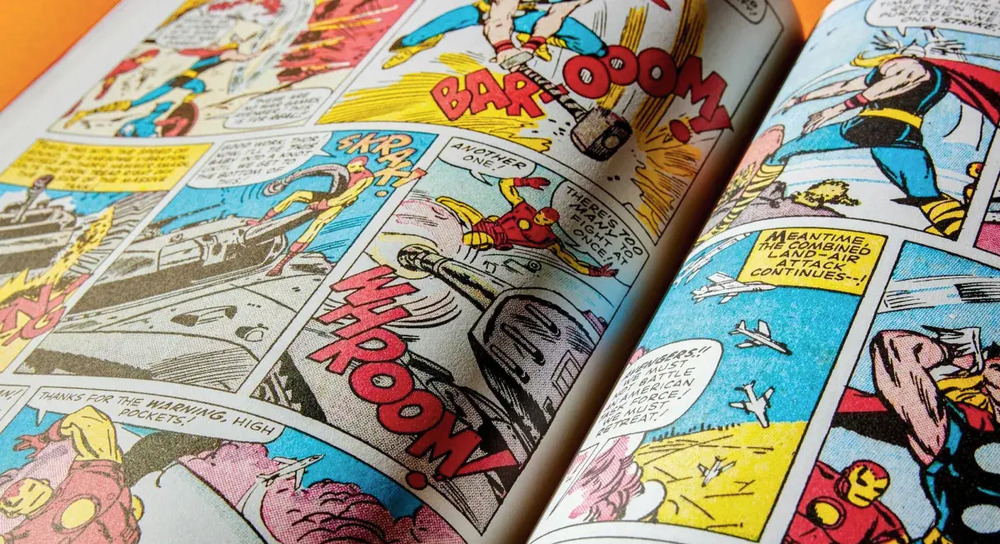
Comics present unique localization challenges because they combine text, visuals, cultural references, humor, sound effects, and layout. Dialogue often relies on slang, idioms, or cultural context. Visual elements—such as gestures, symbols, signage, or onomatopoeia—may carry different meanings across cultures. Even reading direction, font styles, and text placement can affect how a localized comic is perceived.
For comic creators, localization is not about altering the soul of the story. Instead, it is about ensuring that readers in different regions experience the same emotional depth, pacing, and narrative clarity as the original audience. A localized comic should feel as though it was created specifically for that market, without losing its original identity.
Why Is Localization for Comic Creators Beneficial?
Effective localization opens doors for comic creators in both creative and commercial terms. Below are key benefits and real-world use cases where localization plays a critical role:
-
Expanding global readership
Localization allows comics to reach readers who may not be fluent in the original language, significantly increasing audience size. -
Improving reader engagement and immersion
When cultural references, humor, and dialogue feel natural, readers are more likely to connect emotionally with characters and stories. -
Boosting monetization opportunities
Well-localized comics perform better on international platforms, increasing sales, subscriptions, licensing, and adaptation potential. -
Enhancing brand credibility
High-quality localization signals professionalism and respect for the target audience, strengthening the creator’s reputation. -
Supporting cross-media adaptations
Comics that are successfully localized are more attractive for adaptations into animation, games, films, or merchandise. -
Reducing misinterpretation and cultural risk
Localization helps prevent misunderstandings, offensive content, or narrative confusion caused by cultural differences.
For independent creators and studios alike, localization is a strategic investment that can transform a local success into a global property.
How Comic Localization Works: The Process Explained
Localization is a multi-step process that requires collaboration between comic creators, translators, editors, and cultural consultants. Below is a typical workflow that ensures quality and consistency.
-
Content assessment and market analysis
Before localization begins, creators identify target markets and assess cultural, linguistic, and regulatory factors. This step helps determine the scope of adaptation needed. -
Professional translation with creative sensitivity
Translators with experience in comics adapt dialogue, narration, and sound effects while preserving tone, humor, and character voice. -
Cultural adaptation and contextual review
Cultural references, jokes, idioms, and symbols are reviewed and adjusted so they resonate with local readers without distorting the story. -
Visual and layout adjustments
Text expansion or contraction may require resizing speech bubbles, changing font styles, or rearranging panels. In some markets, reading direction or sound effects may also be adapted. -
Editorial review and quality assurance
Editors review the localized version for consistency, accuracy, and readability. This step ensures character personalities and plot coherence remain intact. -
Final testing with target readers
When possible, feedback from native readers or beta testers helps identify awkward phrasing, cultural issues, or layout problems before release.
For comic creators, understanding this process makes collaboration smoother and helps set realistic timelines and expectations.
Common Mistakes and Risks in Comic Localization
Despite its importance, localization is often underestimated. Many comic creators encounter issues that limit their global success. Recognizing these risks early can save time, money, and creative frustration.
One common mistake is relying on literal translation or automated tools without human oversight. Comics rely heavily on nuance, humor, and emotional pacing—elements that machines struggle to capture. Poor translation can flatten character voices or distort key scenes.
Another frequent risk is ignoring cultural context. Jokes, gestures, or references that work well in one culture may be confusing or offensive in another. Without cultural adaptation, creators risk alienating readers or damaging their brand.
Layout and design oversight is also problematic. Translated text may not fit existing speech bubbles or visual flow, resulting in cluttered panels or awkward reading experiences. Localization must consider visual harmony, not just language.
Finally, inconsistent terminology across chapters or volumes can break immersion. Without glossaries or style guides, character names, special terms, or fictional concepts may vary, confusing readers and weakening world-building.
Is Localization Necessary If My Comic Already Has International Fans Who Read the Original Language?
Localization is still highly valuable, even if your comic already attracts international readers who are comfortable with the original language. These readers often represent only a small segment of the potential market—typically those who are bilingual, highly motivated, or already deeply invested in global media. Localization removes language barriers for a much wider audience who may be interested in your story but hesitate to engage due to limited proficiency. Beyond basic comprehension, localization enhances emotional resonance by adapting humor, idioms, cultural references, and dialogue flow so they feel natural rather than “translated.” This deeper accessibility encourages casual readers to become long-term fans, increases word-of-mouth sharing, and improves retention across platforms. In short, localization allows your comic to move from being internationally available to being internationally embraced.
Can Localization Change My Original Story or Artistic Intent?
When handled professionally, localization does not alter your core narrative, themes, or artistic vision. Its purpose is not to rewrite your story, but to convey it as faithfully as possible to audiences from different cultural backgrounds. What changes are typically surface-level elements—such as idiomatic expressions, cultural references, or jokes that may not translate directly—so that readers experience the same emotional impact as the original audience.
For example, a joke may be adapted rather than translated literally to preserve its humor, or a cultural reference may be subtly clarified to avoid confusion. Skilled localization teams work closely with creators to respect tone, character voice, and storytelling intent, ensuring that the heart of the work remains intact while improving clarity and relatability for global readers.
Should Independent Comic Creators Invest in Localization, or Is It Only for Large Publishers?

Localization is not exclusive to large publishers; in fact, it can be especially impactful for independent comic creators. While major publishers may localize multiple languages simultaneously, indie creators can take a more strategic and scalable approach. Starting with one or two priority markets allows creators to test international interest without overwhelming costs. Many successful independent comics began with limited localization—sometimes even one language—and expanded as their audience grew. High-quality localization can dramatically improve discoverability on global platforms, attract international partnerships, and open doors to licensing or adaptation opportunities. For independent creators, localization is less about size and more about intent: a thoughtful investment that supports long-term growth and professional credibility.
What Is the Difference Between Translation and Localization in Comics?
Translation and localization serve different, but complementary purposes. Translation focuses on converting text from one language to another as accurately as possible. Localization, however, takes a broader approach by adapting the entire reading experience to suit the cultural, linguistic, and visual expectations of the target audience. In comics, this may include adjusting humor, slang, honorifics, sound effects, reading flow, or even text placement within speech bubbles. Localization also considers cultural norms, symbolism, and reader familiarity, ensuring that scenes feel intuitive rather than foreign or awkward. While translation ensures understanding, localization ensures immersion—making readers feel as though the comic was created with them in mind.
Tips for Choosing the Right Language Partner to Localize Your Comics
Choosing the right language partner is essential for successful comic localization. Since comics combine storytelling, dialogue, and visuals, your language partner should have experience specifically in comic or creative content, not just general translation. This ensures dialogue fits naturally within speech bubbles and characters maintain consistent voices.
Cultural understanding is as essential as language skills. A reliable partner can adapt humor, references, and expressions so they resonate with local readers while avoiding cultural missteps. They should also use glossaries and style guides to keep terminology and character traits consistent across episodes or volumes.
Quality control is another key factor. Professional language partners typically include editing and proofreading by native speakers to ensure the localized comic reads smoothly and feels natural. Clear communication and openness to feedback are also important, as localization works best as a collaborative process.
In accordance, Digital-Trans Asia provides professional translation, interpretation, and localization services for businesses across Asia.
If you want your comic to connect with global audiences without losing its original charm, working with a professional language partner can make a meaningful difference. Reaching out to an experienced localization service is a practical first step toward bringing your story to readers around the world.
Conclusion
In today’s interconnected creative economy, localization is a powerful tool for comic creators seeking sustainable global growth. It bridges language and culture, allowing stories to travel without losing their emotional core or artistic integrity.
Understanding localization helps creators make informed decisions, collaborate effectively with professionals, and avoid costly mistakes. More importantly, it shows respect for international readers by delivering stories that feel authentic, engaging, and thoughtfully adapted.
As the global market for comics continues to expand, creators who prioritize high-quality localization will be better positioned to build loyal audiences, unlock new revenue streams, and ensure their stories resonate across borders. In a circumstance where stories travel faster than ever, localization is what allows them to truly land.
Ready to expand your comic globally with expert localization services? Visit https://digital-trans.asia/ to learn more about our services. Contact us today to get started!