What Technical Standards Define High-Quality Subtitle Localization
High-quality subtitle localization is defined by technical standards that are applied properly such as CPS (Character per Second), CPL (Character per Line), line length limits, subtitle segmentation, timing and synchronization, as well as formatting and styles. Technical standards that are implemented correctly make subtitles appear readable, properly timed, and visually consistent across different platforms, languages, and content formats.
What Are Technical Standards in Subtitle Localization and Why They Matter
Technical standards in subtitle localization refer to a set of rules, industrial constraints, and guidelines for subtitles that ensure subtitles appear readable, have proper synchronization, and display format across different platforms, devices, and languages. By applying technical standards properly, subtitles become more structured and formatted, making them easier to be processed by the audience in a short time considering subtitles only appear for a few seconds on screen. In subtitles localization, technical standards typically cover several areas including:
-
CPS Standards: CPS stands for Characters per Second. In the subtitles localization context, it measures how many characters can appear on screen per second. Based on general industrial standards, it is set within a range between 12–20 CPS.
-
CPL Standards: CPL stands for Characters per Line. It refers to how many characters can be displayed per line in subtitles. Typically, industrial standards limit it to around 37–42 characters.
-
Line Length Limits: This measures how many lines can be displayed in a single subtitle. Industrial standards usually restrict it to a maximum of two lines.
-
Subtitle Segmentation: A rule for dividing long subtitle sentences into smaller units based on linguistic structure and readability.
-
Timing and Synchronization: It governs how subtitles should appear aligned with audio and visual elements of the content, ensuring the subtitles appear and disappear in sync with audio/spoken dialogue and scene transitions.
-
Formatting and Styles: These are visual rules that ensure subtitle text is clear, consistent, and unobtrusive. It includes how text is structured, displayed, and styled to ensure readability and clarity.
These elements do not work independently, but interact to ensure subtitle readability, timing accuracy, and visual clarity.
Overall, these elements are technical standards that influence subtitle quality. In practice, these guidelines may vary based on languages, platforms, content types, and target audiences. For example, Netflix English (USA) Timed Text Style Guide and the BBC Subtitle Guidelines have their own rules about line length limits. Netflix sets it at up to 42 characters, while the BBC sets it at up to 37 characters. Even though they vary, the primary goal of technical standards is the same, which is to ensure readability and clarity of subtitles to support audience comprehension. When technical standards are implemented properly, they can increase the quality of subtitles.
Key Benefits of Applying Technical Standards in Subtitle Localization
Applying technical standards not only determines the quality of subtitles, but also can determine overall content performance and the audience’s viewing experience. Below explains the key benefits of applying technical standards in subtitle localization.
- Increasing Readability
Subtitles that follow technical standards such as having controlled CPS or CPL, and having a maximum of two lines, are easier for the audience—who only have a few seconds—to process. Readable subtitles can decrease the audience’s cognitive load and increase viewing comfort.
- Optimizing Comprehension
A survey in 2023 conducted by YouGov stated that 40% of Americans use subtitles to enhance comprehension. By implementing CPS and CPL standards, it ensures subtitles do not appear too fast or have too many characters per line. Subtitles that appear too quickly or contain too many characters per line increase the risk of losing information. By following technical standards, it can optimize audience comprehension and make the audience follow the story more easily.
- Maintaining Quality Consistency Across Markets
Following professional technical standards makes subtitles have a consistent structure across markets. This benefit is important to increase the audience’s trust in the platform. By having consistent quality, the audience’s experience can be even across markets.
- Supporting Distribution Across Markets
Subtitles that have proper technical standards can be used across multiple markets and countries directly without major revisions or the need for reproduction. This is beneficial to speed up the global distribution process and make platforms expand their markets more efficiently.
- Improving Content Performance
Readable and understandable subtitles can contribute to watch time and engagement. Good subtitles can improve accessibility and audience retention, which can make content perform better in platform algorithms.
How Technical Standards Are Applied in Subtitle Localization Process
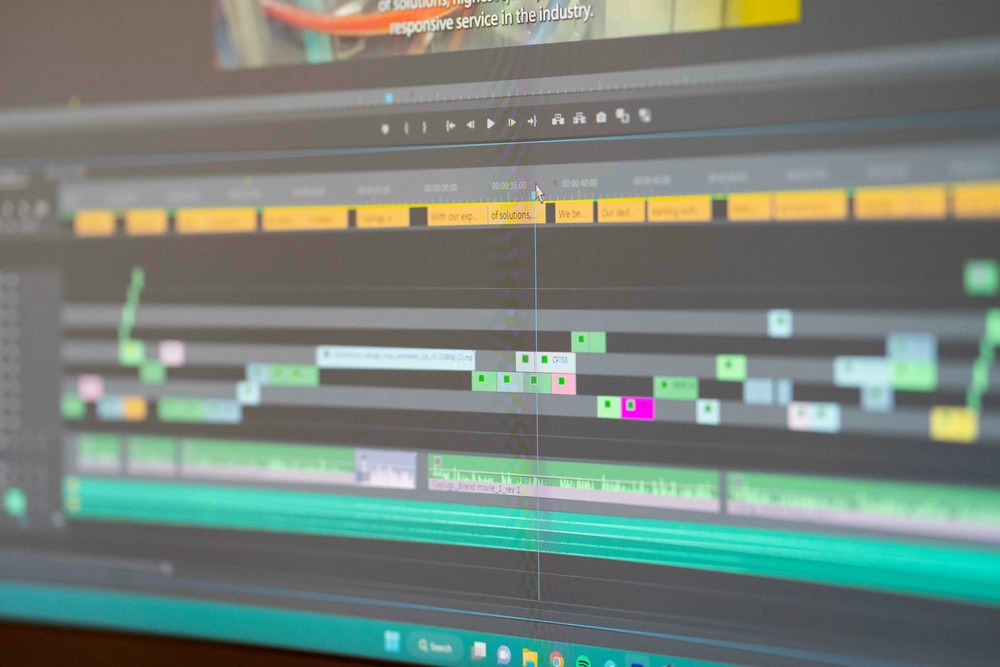
Typically, there are several processes in implementing technical standards in subtitle localization, including:
1. Dialogue Analysis
Dialogue needs to be analyzed to understand the context, language complexity, and duration needed to appear on screen. The accuracy of subtitles is determined by this process. This matters because analyzing the dialogue allows subtitles to retain the original intended meaning as closely as possible, without distortion.
2. Subtitle Segmentation
Dialogue sentences are divided based on linguistic structure and speech rhythm.
Wrong: “I don’t know why he did that even though he knew the risks.”
Right: “I don’t know why he did that / even though he knew the risks.”
Proper subtitle segmentation makes subtitles easier to understand, which helps the audience read subtitles more quickly without losing the context.
3. Applying CPS and CPL Standards
Subtitles must adhere to CPS that suits audience reading speed, and need to apply CPL to not exceed line length limits. The purpose is to maintain readability.
4. Timing Synchronization
Subtitles need to appear and disappear in sync with audio/dialogue. If subtitles appear too early or too late, the resulting mismatch between subtitle text and audio/dialogue can break the audience’s immersion.
5. Formatting Implementation
Subtitles need to follow consistent formatting such as a maximum of two lines, proper punctuation, and text placement to make subtitles look neat and easy to process by the audience.
6. Quality Control Process
This process is necessary to check if there are any typos, grammar errors, or inconsistent terminology in subtitles. In many cases, these issues may seem insignificant but can directly diminish the subtitles’ credibility.
Also read: How to Boost Quality in Subtitle Localization Projects
Common Mistakes in Subtitle Localization That Can Reduce Quality of Subtitle
There are common mistakes caused by not properly applying technical standards that can affect subtitle quality.
- High CPS
Subtitles that have high CPS or appear too fast on screen can make it difficult or impossible for the audience to read the entire subtitle properly. This can make the audience more likely to miss information which can lead to reduced comprehension of the content.
- High Text Density
Subtitles that follow technical standards should not have excessively long subtitles in a single frame. In many cases, when this happens, it can disrupt the audience’s viewing experience, as the audience needs to divide their attention between reading the long subtitles and watching the content.
- Poor Subtitle Segmentation
Unnatural sentence division can confuse the audience because sentence structure affects comprehension. This mistake makes subtitles difficult to process by the audience.
- Unsynchronized Timing
Subtitle text that appears too early or too late can disrupt synchronization with visuals and affect the audience’s immersion.
- Inconsistent Formatting
Subtitle formatting that looks inconsistent throughout the content can make the content look unprofessional. This can happen because formatting is part of the visual appearance. When the visual appearance of subtitles is not well presented, it can reduce the credibility of the content.
- Lack of Quality Control
Lack of quality control can seem insignificant, like typos, grammar mistakes, or inconsistent terminology. However, it can immediately impact audience trust in the content or platform because subtitles are a direct representation of the content.
Technical standards that are not followed can affect the audience’s viewing experience and overall content performance. This can happen because subtitles that are not readable and hard to understand can reduce audience comprehension. When audience comprehension is reduced, it automatically decreases content performance, which can impact business outcomes in global content distribution.
Also read: Why Poor Subtitle Localization Can Ruin Your Brand’s Reputation (and How to Avoid It)
FAQ About Technical Standards in Subtitle Localization
1. What are technical standards in subtitle localization?
Technical standards are a set of rules, industrial constraints, and guidelines that regulate the readability, formatting, and synchronization of subtitles to conform to professional practices.
2. What is the difference between CPS and CPL?
CPS measures reading speed per second, meanwhile CPL measures the total number of characters per line.
3. Why are CPS and CPL standards important?
Because CPS and CPL standards directly impact audience viewing comfort and comprehension. CPS ensures subtitles appear aligned with audience reading speed, while CPL ensures subtitles have a proper number of characters per line.
4. What are the impacts of subtitles that don’t follow technical standards?
It can cause confusion, reduce comprehension, and reduce overall viewing experience quality.
5. Do all platforms use the same technical standards?
No, technical standards can vary depending on platforms, even though the main purpose is the same which is to maintain readability and clarity.
6. Why is quality control important in the subtitling process?
Because quality control ensures the accuracy, consistency, and overall quality of the subtitles.
7. How do subtitles affect content performance?
Good subtitles can increase watch time, engagement rate, and audience retention.
Digital Trans Asia provides professional translation, interpretation, and localization services for businesses across Asia. Contact us today to ensure your subtitle localization projects meet professional technical standards and deliver the best viewing experience across global markets.
Conclusion
Technical standards in subtitle localization are the main foundation for producing high-quality subtitles. By implementing technical standards such as CPS and CPL standards, line length limits, subtitle segmentation, timing and synchronization, as well as formatting and styles properly, editors make subtitles more readable and understandable, which can directly affect the overall viewing experience, content performance, and global distribution success.
In an increasingly competitive streaming industry, high quality subtitles are no longer just an add-on, but part of a strategy that can improve content accessibility and scalability. Subtitle quality that is maintained through technical standards makes platforms have an advantage in reaching international audiences and maintaining content performance across markets.
To be able to maintain subtitles across markets, the first step is to choose a trusted localization service. Digital Trans Asia provides professional translation, interpretation, and localization services for businesses across Asia.