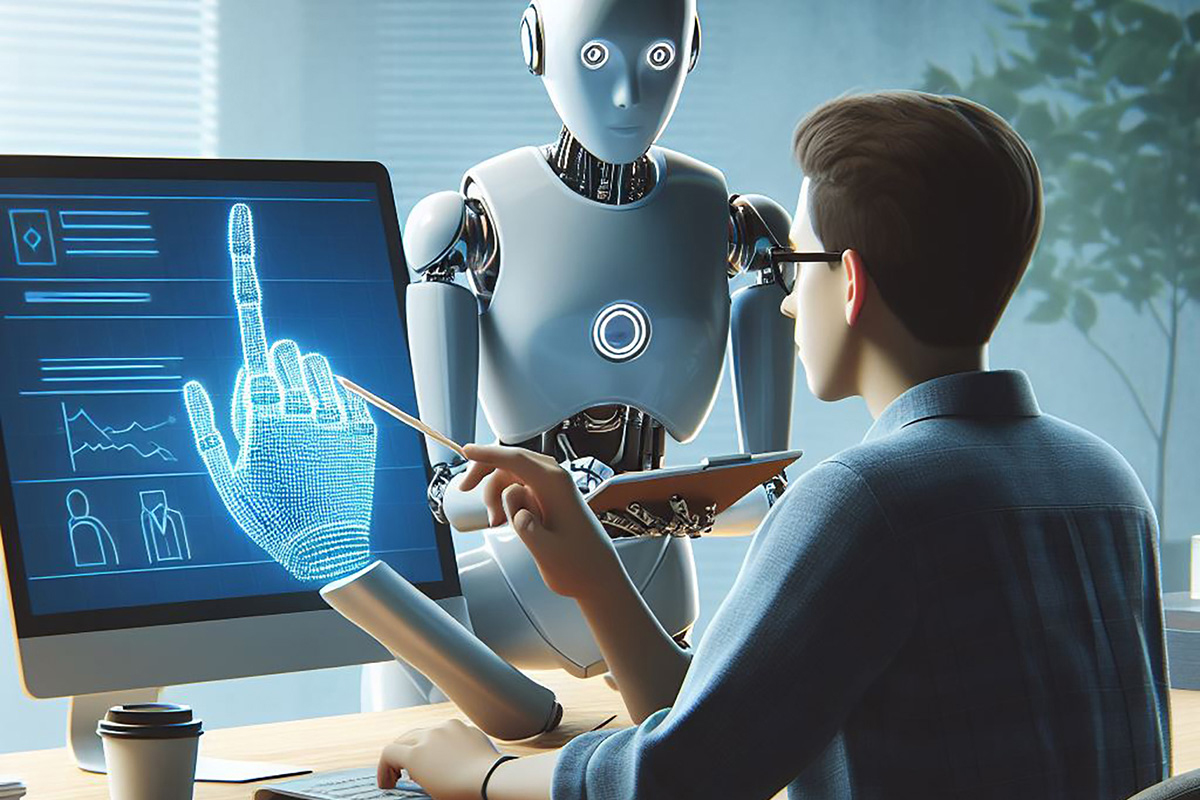
Which Documents Still Require Professional Translation in the AI Era?
The AI Era has transformed how people communicate across languages. With the rise of machine translation tools that are fast, accessible, and increasingly fluent, they wonder: Do we still need professional translation? For casual communication, AI-powered translation often feels “good enough.” However, when it comes to certain types of documents, accuracy, accountability, and cultural nuance remain non-negotiable.
Hence, this article explores which documents still require professional translation in the AI Era, why they matter, and how relying solely on AI can create serious risks. Understanding these distinctions can help individuals and organizations make smarter decisions when language accuracy truly counts. Continue reading to reveal.
What Is Professional Translation?
Professional translation refers to translation services performed by trained human linguists who possess expertise not only in language but also in subject matter, cultural context, and legal or technical conventions. Unlike automated tools, professional translators are accountable for the accuracy, consistency, and appropriateness of the final text.
In the AI Era, machine translation relies on algorithms trained on massive datasets. These systems excel at recognizing patterns and generating fluent sentences. However, they do not understand the meaning in the human sense. They cannot evaluate legal consequences, ethical implications, or contextual sensitivity.
Meanwhile, certain documents require a level of precision that leaves no room for approximation. These include, but are not limited to:
- Legal contracts and agreements
- Immigration and visa documents
- Academic certificates and transcripts
- Medical records and clinical reports
- Financial statements and compliance documents
- Patents and intellectual property filings
For these documents, a single mistranslated word can change obligations, invalidate applications, or create legal exposure. That is why professional translation remains essential, even in the AI Era.
Why Using Professional Translation Is Beneficial?
While AI tools offer speed and convenience, professional translation delivers value where reliability and credibility matter most. Key benefits in a real-world context include:
- Legal validity: Many institutions require certified or sworn translations that AI tools cannot provide.
- Risk reduction: Human translators detect ambiguities, inconsistencies, and errors that AI may overlook.
- Contextual accuracy: Professional translators adapt terminology based on industry, jurisdiction, and audience.
- Confidentiality: Sensitive documents are handled under strict privacy and non-disclosure standards.
- Institutional acceptance: Courts, universities, immigration offices, and regulatory bodies often reject machine-translated documents.
- Brand and reputational protection: For official communications, mistranslation can damage trust and credibility.
These use cases highlight that professional translation is not about resisting technology, but about knowing when human expertise is indispensable.
How Professional Translation Works in the AI Era?

Professional translation has also evolved alongside technology. Rather than ignoring AI, many professionals integrate it responsibly into their workflow. A typical process includes the following steps:
- Document Assessment
The translator evaluates the document type, purpose, target audience, and required level of formality or certification.
- Terminology Research and Preparation
Specialized glossaries, legal references, or industry standards are reviewed to ensure terminological consistency.
- Human Translation (With or Without AI Assistance)
AI tools may be used for initial drafting in some cases, but the core translation decisions are made by a human expert.
- Contextual Adaptation and Refinement
The translator adjusts tone, phrasing, and structure to align with cultural and institutional expectations.
- Review and Quality Assurance
Proofreading, cross-checking, and sometimes peer review ensure accuracy and completeness.
- Certification or Notarization (If Required)
For official documents, translators provide signed statements, stamps, or sworn declarations as required by authorities.
Additionally, this hybrid approach leverages efficiency without compromising responsibility, making professional translation fully compatible with the AI Era.
Common Mistakes and Risks of Relying Solely on AI Translation
Despite impressive improvements, AI translation still carries significant risks when used for official documents. Common issues are as follows:
Loss of Legal Precision
AI may replace legally distinct terms with near-synonyms, which can alter contractual meaning or compliance status.
Cultural and Institutional Mismatch
Machine translation often ignores conventions specific to legal systems, academic structures, or administrative formats.
Inconsistent Terminology
AI may translate the same term differently across a document, creating confusion or perceived inaccuracies.
False Sense of Confidence
Fluent output can mask subtle but critical errors, leading users to assume correctness without verification.
Data Privacy Concerns
Uploading sensitive documents to public AI platforms can violate confidentiality or data protection regulations.
Rejection by Authorities
Many government agencies explicitly state that machine-translated documents are unacceptable.
After all, these risks demonstrate why professional translation remains essential for documents where consequences matter.
Isn't AI Translation Accurate Enough Now for Official Documents?
AI translation has indeed reached an impressive level of fluency. In many cases, machine-translated text sounds natural, well-structured, and easy to understand. For casual communication or internal use, this level of accuracy may be sufficient. However, official documents demand a very different standard of accuracy—one that goes far beyond grammar and surface-level meaning.
Official documents such as contracts, court papers, immigration files, or academic records operate within strict legal, institutional, or regulatory frameworks. A single term may carry a specific legal implication that differs by jurisdiction. AI systems do not understand intent, legal hierarchy, or enforceable equivalence between source and target texts. They translate patterns, not consequences.
Moreover, authorities often require translations to be certified, sworn, or accompanied by a translator’s declaration of accuracy. This is not merely a formality. It establishes accountability. If an error occurs, a human professional can be held responsible, whereas AI tools cannot assume legal liability.
For these reasons, while AI translation may appear accurate on the surface, it does not meet the reliability, traceability, and accountability standards required for official documents. That gap is precisely why professional translation remains essential in the AI Era.
Can Professional Translators Use AI Tools Without Reducing Quality?
In practice, many already do. The key distinction lies in how AI tools are used. Professional translators do not treat AI as a replacement for human judgment, but rather as an assistive technology within a controlled workflow.
In the AI Era, professional translators may use AI tools to speed up initial drafts, handle repetitive phrasing, or support terminology research. However, every segment of the translation is reviewed, edited, and validated by a human expert. The translator ensures that terminology is consistent, tone is appropriate, and meaning aligns precisely with the source document’s intent.
This human oversight is critical. AI cannot evaluate whether a term complies with legal standards, whether phrasing aligns with institutional expectations, or whether cultural nuances require adaptation. Professional translators fill that gap by applying subject-matter knowledge and contextual awareness.
Importantly, the responsibility remains with the translator, not the software. Clients are not paying for raw output; they are paying for expertise, accountability, and assurance that the final document can withstand scrutiny. When used responsibly, AI can enhance efficiency without compromising quality—but only under professional control.
What Happens If You Submit an AI-Translated Document to an Official Institution?
The consequences can range from inconvenient to severe, depending on the document and context. In many cases, official institutions such as immigration offices, courts, universities, or regulatory bodies explicitly state that machine-translated documents are not accepted. Submitting one may result in immediate rejection.
At a minimum, this can lead to delays. Applications may be put on hold, deadlines may be missed, and additional costs may arise when a professional translation is requested later under time pressure. In time-sensitive processes—such as visa applications or legal filings—these delays can have lasting consequences.
In more serious cases, errors in AI translation can cause misunderstandings that affect legal rights or obligations. Incorrectly translated clauses, dates, or qualifications may lead to visa denials, contract disputes, or compliance violations. Even if the mistake was unintentional, authorities may still hold the document owner responsible.
Due to these risks, professional translation is often more cost-effective in the long term. It reduces uncertainty, prevents rework, and ensures that documents are accepted the first time they are submitted.
Is Professional Translation Still Relevant as AI Continues to Evolve?
The answer is totally yes, and its relevance is likely to grow, not diminish. As AI becomes more widespread, the situations where precision, trust, and accountability matter most will stand out even more clearly.
Language is not merely a technical system; it carries legal force, cultural meaning, and ethical responsibility. Professional translators interpret meaning within context, anticipate how a document will be used, and adapt language accordingly. These are judgment-based tasks that AI, regardless of sophistication, cannot fully replicate.
As AI evolves, the role of professional translators is also evolving. They are becoming language strategists, quality controllers, and risk managers. Their expertise ensures that technology is applied appropriately, rather than blindly.
In the AI Era, professional translation is not about competing with machines. It is about bridging the gap between automated efficiency and human responsibility. As long as documents have real-world consequences, professional translation will remain not only relevant but indispensable.
Digital-Trans Asia provides professional translation, interpretation, and localization services for businesses across Asia. Choosing professional translation means your documents are handled with care, contextual understanding, and attention to detail that automated tools cannot guarantee.
With experienced linguists guiding the process, you gain clarity, consistency, and confidence that your translation meets institutional expectations. In circumstances where accuracy matters and outcomes depend on precision, professional translation provides a dependable solution, helping your documents move forward smoothly and be accepted without unnecessary revisions or delays.
Conclusion
The AI Era has undeniably reshaped the translation landscape. Machine translation is a powerful tool for everyday communication, informal content, and quick comprehension. However, it has not eliminated the need for professional translation, especially for documents where accuracy, legality, and credibility are critical.
Legal, medical, academic, financial, and official documents still demand human expertise. Professional translators deliver far more than language conversion; they add risk mitigation, contextual insight, and institutional credibility. In these cases, translation is not merely a technical task; it is a responsibility.
Rather than asking whether AI will replace professional translation, the more relevant question is when human expertise is still required. Knowing the difference can protect your interests, your reputation, and your future in an increasingly interconnected world.