
Why Indonesian Localization Matters for Global Platforms
Indonesian localization is important since Indonesian-speaking users want to see localized products that fit well into the language, culture, and ease-of-use for their customers. With Indonesia being one of the most rapidly developing digital economies worldwide, companies that will manage to effectively localize their content will find themselves much more successful than their competitors using only translation.
What Is Indonesian Localization?
Indonesian localization is an adaptation of various types of digital products, including content, software, websites, mobile applications, games, marketing content, and multimedia, among others, into the Indonesian language and culture. In contrast to translation, localization includes not only changes in language but also in formatting, visuals, tone of voice, currencies, date formats, measurements, user expectations, etc.
Localization became very important since Indonesian-speaking consumers deal with foreign companies in e-commerce, fintech, gaming, educational services, healthcare, SaaS, entertainment, etc.
Translation vs Localization
Although people often use the terms interchangeably, translation and localization serve different purposes.
Translation focuses on converting text from one language into another while preserving its meaning.
Localization goes much further by adapting the entire experience for a specific audience. This includes:
- User interface labels
- Cultural references
- Date and time formats
- Currency and payment methods
- Images and icons
- Legal requirements
- Tone and writing style
- Product descriptions
- Search keywords
For example, an English ecommerce platform may translate "Add to Cart" correctly into Indonesian. However, localization also considers whether shipping terminology, promotional wording, payment methods, and customer support information align with local shopping habits.
Why Indonesia Is an Important Market
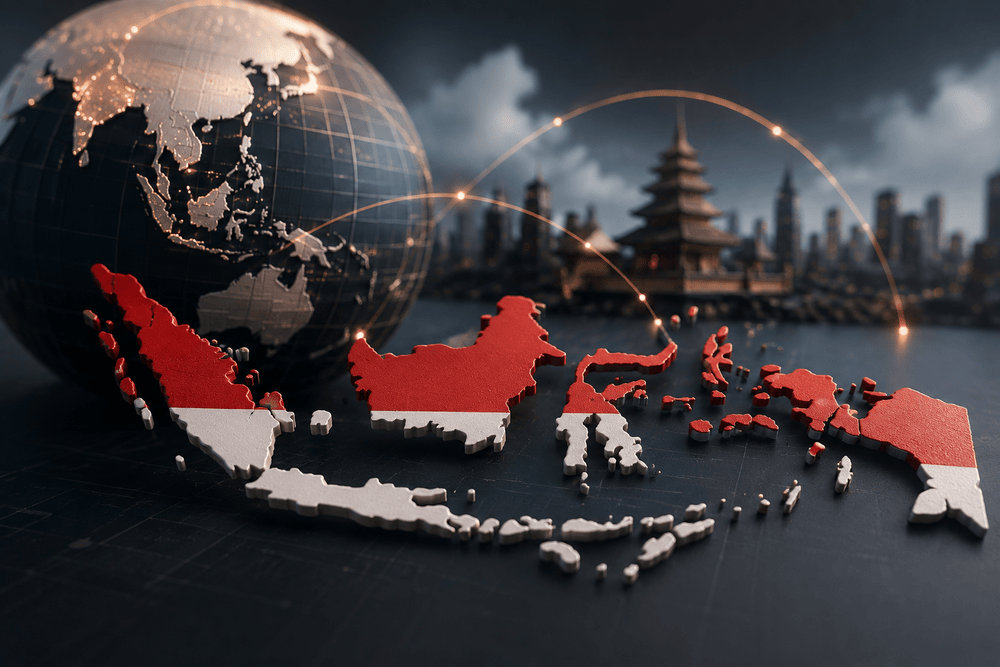
Indonesia represents one of Asia's most promising digital markets for several reasons.
First, the country's large population creates significant opportunities across multiple industries.
Second, smartphone adoption continues to increase, making mobile-first experiences essential.
Third, Indonesia's digital economy continues to expand rapidly through e-commerce, fintech, ride-hailing, online education, streaming platforms, and digital banking.
Indonesia's digital economy became the largest in Southeast Asia and will reach GMV of about US$90 billion in 2024. According to APJII, the internet penetration rate of Indonesia was 79.5% in 2024. Indonesia offers great opportunities for digital platforms from all over the world willing to localize their content in Indonesia.
Benefits of Indonesian Localization for Global Platforms
Successful Indonesian localization creates advantages beyond simply making content readable. It supports business growth, improves customer satisfaction, and strengthens brand reputation.
Higher User Trust
Users naturally trust platforms that communicate clearly in their own language. Localized interfaces, help centers, and onboarding experiences reduce confusion while making users feel that the platform understands their needs.
Better User Experience
Localization removes small usability barriers that can frustrate users.
Examples include:
- Natural Indonesian wording instead of awkward literal translations
- Familiar date formats
- Local currencies
- Relevant payment methods
- Appropriate examples and illustrations
Small improvements throughout the customer journey collectively create a significantly smoother experience.
Improved SEO Performance
Indonesian localization also supports search engine optimization.
Users search using Indonesian keywords rather than direct English equivalents. Localized content allows websites to target the search phrases people actually use.
For example, users may search for:
- "cara menggunakan aplikasi"
- "software akuntansi terbaik"
- "tips belajar bahasa Inggris"
rather than translated versions of English keywords.
Increased Conversion Rates
When customers fully understand product information, pricing, policies, and support documentation, they are more likely to complete purchases or registrations.
CSA Research has repeatedly demonstrated that language accessibility significantly influences buying decisions across international markets.
How Indonesian Localization Works
A successful localization project typically follows several structured stages.
1. Analyze the Target Audience
Before translating any content, localization teams identify:
- Target demographics
- Industry terminology
- Customer expectations
- Regional language preferences
- Platform type
- User behavior
Understanding the audience helps determine the appropriate writing style and terminology.
2. Prepare Source Content
Clear source content produces better localized results.
Writers often simplify ambiguous sentences, remove unnecessary idioms, and standardize terminology before translation begins.
This reduces inconsistencies later in the process.
3. Translate With Native Expertise
Professional native Indonesian linguists translate the content while maintaining accuracy, natural flow, and brand consistency.
Rather than translating word for word, experienced translators focus on meaning, readability, and user expectations.
4. Adapt Cultural Elements
Localization extends beyond text.
Teams also review:
- Images
- Icons
- Colors
- Examples
- Marketing messages
- Calls to action
- Product screenshots
- Video subtitles
- Audio narration
Any element that feels culturally inappropriate or confusing should be adapted.
5. Optimize for Local Search
SEO localization includes:
- Indonesian keyword research
- Local search intent analysis
- Optimized page titles
- Meta descriptions
- Headings
- Internal linking
- Localized URLs when appropriate
This helps search engines understand localized content while improving discoverability.
6. Perform Linguistic Quality Assurance
Before publication, linguists and QA specialists review:
- Grammar
- Consistency
- Terminology
- Formatting
- User interface fit
- Functional errors
- Broken text strings
Quality assurance prevents issues that may negatively affect user experience.
7. Monitor and Update
Localization is an ongoing process rather than a one-time task.
Products evolve continuously through new features, updated interfaces, marketing campaigns, and customer feedback.
Regular reviews ensure localized content remains accurate over time.
Common Mistakes and Challenges in Indonesian Localization
Even experienced organizations encounter localization challenges when entering Indonesia.
Relying Entirely on Machine Translation
Machine translation has improved considerably but still struggles with context, tone, industry terminology, and cultural nuance.
Without human review, awkward phrasing can easily reduce credibility.
Ignoring Cultural Context
Literal translation rarely captures local expectations.
Humor, marketing slogans, idioms, and emotional messaging often require adaptation rather than direct translation.
Using Inconsistent Terminology
Large platforms frequently involve multiple translators across different products.
Without terminology management, users may encounter different translations for the same feature, creating confusion. Maintaining glossaries and style guides significantly improves consistency.
Forgetting Technical Localization
Text is only one component. Developers should also localize:
- Date formats
- Time zones
- Currency displays
- Input validation
- Character encoding
- Number formats
- Address structures
Overlooking SEO Localization
Simply translating English keywords rarely produces the best search visibility.
Effective Indonesian localization includes localized keyword research because Indonesian users often search differently from English-speaking audiences.
Neglecting User Testing
Even accurate translations can create usability issues once integrated into software.
Testing localized interfaces with native users helps identify confusing wording, layout problems, or functional errors before launch.
FAQ
What is Indonesian localization?
Indonesian localization is the adaptation of digital products, websites, software, and content for Indonesian users by considering language, culture, technical standards, and local user expectations.
Is localization different from translation?
Yes. Translation converts language, while localization adapts the complete user experience, including cultural references, design, formatting, and functionality.
Which industries benefit most from Indonesian localization?
Industries including ecommerce, SaaS, gaming, healthcare, fintech, education, tourism, manufacturing, and digital media all benefit from localization.
Can AI replace professional localization?
AI translation can accelerate workflows, but professional linguists remain essential for quality assurance, cultural adaptation, terminology consistency, regulatory compliance, and brand voice.
What makes Indonesian localization successful?
Successful localization combines accurate translation, cultural understanding, technical implementation, SEO optimization, quality assurance, and continuous updates.
How can companies maintain consistency across localized content?
Using translation memories, terminology databases, style guides, and centralized review processes helps ensure consistent language across products and marketing materials.
How Professional Localization Services Support Global Growth
For global businesses, entering Indonesia without proper localization often creates unnecessary friction that affects user acquisition and retention. Digital-Trans Asia provides professional translation, interpretation, and localization services for businesses across Asia.
Professional localization services provide structured workflows, terminology management, technical quality assurance, and SEO-aware localization practices that help businesses deliver a more consistent and culturally appropriate experience for Indonesian users.
Conclusion
Indonesian localization plays a critical role in helping global platforms connect with one of Asia's largest and fastest-growing digital audiences.
By adapting language, culture, user experience, and local search behavior instead of simply translating text, businesses can improve trust, usability, discoverability, and long-term customer engagement.
Ready to localize your platform for Indonesian audiences? Visit https://digital-trans.asia/ to learn more about our services. Contact us today to get started!