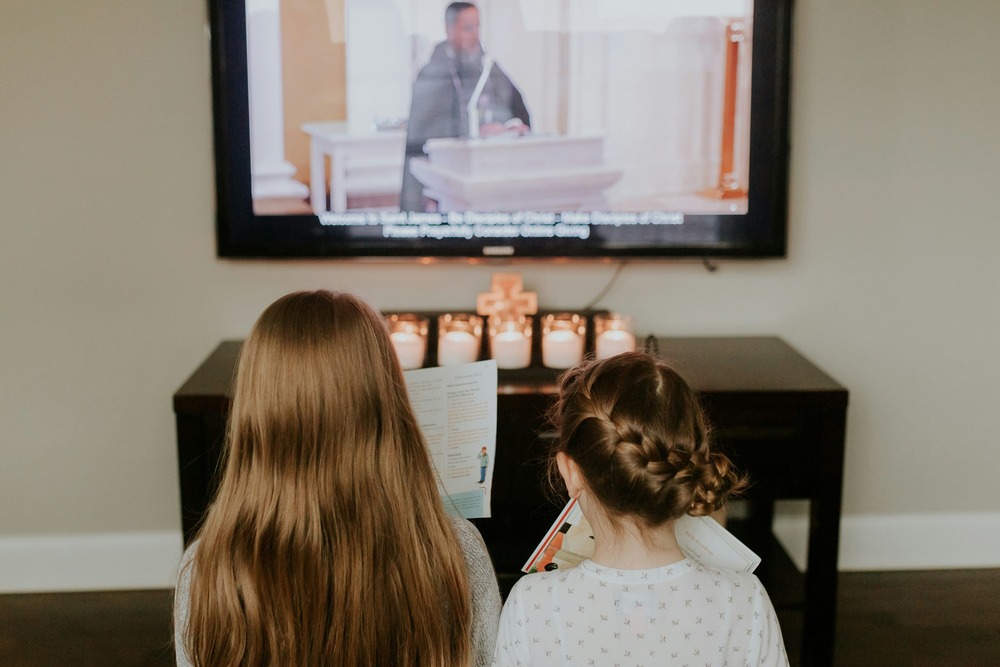
How Subtitle Localization Balances Reading Speed and Visual Focus
Subtitle localization balances reading speed and visual focus by applying technical standards such as characters per second, subtitle timing rules, and subtitle compression techniques to ensure that viewers can read subtitles and focus on visual elements comfortably.
What Is Balancing Reading Speed and Visual Focus in Subtitle Localization?

Reading speed in subtitle localization refers to the measurement of how many characters or words are displayed per second. The purpose of this measurement is to make sure viewers can read subtitles comfortably and focus on visual elements at the same time. Reading speed is usually measured in characters per second (CPS).
Reading speed becomes important because viewers not only process subtitle text when watching audiovisual content but also need to process visual details such as character expressions, camera movement, and story development. If subtitles are too dense or appear too fast, viewers’ focus will be fixed on subtitles only and will not have enough time to give attention to visual elements.
In professional practice, subtitle localization must maintain a balance between reading speed and visual focus. Subtitles must be clear enough to ensure that viewers can read the subtitle text, and ensure that visual elements can still be watched by the audience at the same time.
Balancing reading speed and visual focus properly in subtitles enables viewers to concentrate on the whole content, both subtitles and visual content. Having subtitles that balance reading speed and visual focus can be advantageous for companies that produce content, because research conducted by The Audience Agency on behalf of Stagetext shows that 42% of people said their purpose for using subtitles is to help them concentrate while watching content online or on TV. :contentReference[oaicite:0]{index=0}
Benefit of Optimizing Reading Speed and Visual Focus in Subtitle Localization
By optimizing reading speed and visual focus in subtitle localization, it can give many advantages for viewers’ viewing experience.
-
Improving Readability
When reading speed is customized to the viewers’ reading speed, it can improve readability and make subtitles easy to read. -
Supporting Viewer’s Visual Focus
Subtitles that appear properly on screen will not disturb viewers’ visual focus and immersion, so they can maintain focus on the storyline and emotional development in the story. -
Maintaining Focus on Visual Elements
Viewers can look at detailed visuals such as character expressions, camera movement, and other important visual details if subtitles have the right length and appear on screen at the right time. -
Reducing Eye Fatigue
Having strategic breaks and placement, such as a maximum of two lines, centered or aligned with visual flow, makes the reading process less demanding on viewers’ eyes. -
Reducing Cognitive Load
Dense subtitles will increase viewers’ cognitive load because too much information appearing on screen requires extra effort to understand the narrative. -
Increasing Global Content Accessibility
Having a balanced reading speed and visual focus can increase one of the factors of good subtitles. And good subtitles will make content easier to understand for various groups of viewers, both native and non-native speakers. -
Following Streaming Industry Technical Standards
Global streaming platforms usually have their own technical guidelines regarding subtitle timing, characters per second (CPS), and subtitle length to maintain viewing quality.
In an era of global content distribution that is growing rapidly, subtitle quality is no longer a small part of the technical aspect. Subtitles that are uncomfortable to read can affect viewers’ perception of the overall quality of the content.
Process of Balancing Reading Speed and Visual Focus in Subtitle Localization
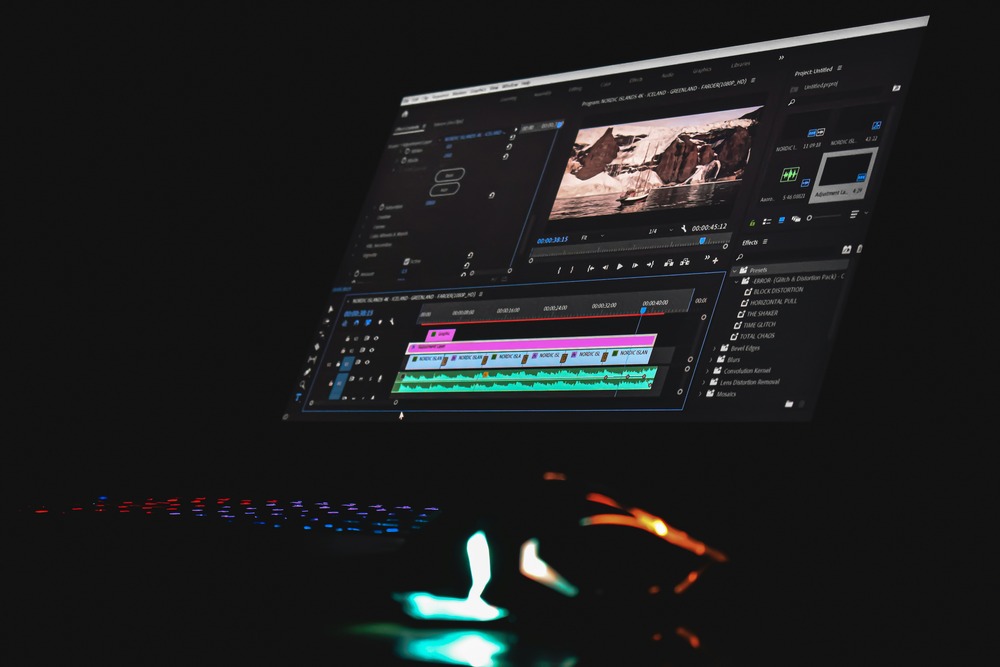
To maintain a balance between readability and visual focus, subtitle localization usually follows a systematic technical process.
Measuring Reading Speed with Characters per Second (CPS)
The first step is measuring reading speed using Characters per Second (CPS). CPS shows how many characters need to be read by viewers per second. By measuring CPS, it helps professional localizers create subtitles that are readable for audiences.
Although there is no single fixed CPS standard, different platforms provide their own guidelines. For example, based on Netflix subtitle templates, reading speed limits are defined depending on content type and audience.
For English templates:
Adult programs: up to 17 characters per second
Children’s programs: up to 15 characters per second
For non-English language templates, CPS should follow language-specific guidelines. For example, Spanish subtitles may use up to 17 CPS for adult content and up to 13 CPS for children’s content.
It shows that variation in reading speed is influenced by many factors such as audience, language structure, and viewing context.
Applying Subtitle Display Rules (6-Second Rule)
Based on the 6-second rule, for a full two-line subtitle, it should be displayed for six seconds to be read comfortably by viewers. By maintaining this rule, viewers can read subtitles efficiently without disturbing their attention to the visual scene.
Applying Subtitle Compression Techniques
Spoken dialogue in films or series is usually longer than what subtitles can contain on screen. Subtitle localization processes usually use subtitle compression techniques to shorten dialogue without losing core meaning.
Compression helps maintain subtitle length to ensure viewers can watch content comfortably and still understand the important message from the dialogue.
For example:
Original dialogue:
I really don’t think that’s a good idea, you know?
Bad subtitle (too long):
I really don’t think that’s a good idea, you know?
Optimized subtitle:
I don’t think that’s a good idea.
This example shows how subtitle compression helps reduce subtitle length while keeping the core meaning, allowing viewers to read comfortably without losing visual focus.
Adjusting Subtitles with Visual Rhythm
Subtitles not only need to align with dialogue but also with visual changes in the scene. If subtitles appear too early, they can spoil information before the visual scene happens; meanwhile, if subtitles appear too late, they make viewers lose dialogue context.
Evaluating the Viewer’s Cognitive Load
When subtitles have a proper balance between reading speed and visual focus, they can minimize the need to reread subtitles, allowing viewers to have more time to see the visuals, which can reduce viewers’ cognitive load.
Common Mistakes in Managing Reading Speed and Visual Focus in Subtitle Localization
Even though there are technical guidelines for balancing reading speed and visual focus, there are some common mistakes that still frequently occur in subtitling practices.
-
Excessive Reading Speed (High CPS)
If subtitles appear with high CPS, viewers will not have enough time to read the entire text, which can cause them to miss visual details. -
Failure to Compress Text
Overly dense subtitles will force viewers to keep reading without paying attention to the visual scene on screen. -
Poor Synchronization
Subtitles that appear too early or disappear too late will disturb viewers’ experience and break immersion. -
Ignoring the Viewer’s Cognitive Load
Subtitles that are too dense and too fast will increase cognitive load and make the viewing experience tiring, especially in scenes with a lot of action or fast dialogue.
Also read: 10 Common Localization Problems and How to Solve Them
FAQ About Reading Speed and Visual Focus in Subtitle Localization
-
What is reading speed in subtitle localization?
Reading speed in subtitle localization is the speed at which viewers need to read subtitles on screen, usually measured in characters per second (CPS). -
What does CPS in professional subtitling mean?
CPS stands for Characters per Second (CPS), a metric that measures subtitle reading speed by indicating how many characters are shown on screen per second of video. -
What is the 6-second rule in subtitling?
The 6-second rule is a guideline that states that for a full two-line subtitle, it should be displayed for six seconds to be read comfortably by viewers. -
What is the relation between eye-tracking studies and subtitle localization?
Eye-tracking studies are used to understand how viewers read subtitles and process visuals at the same time. -
Do all languages have the same subtitle reading speed?
Not always. Some languages have longer words or different sentence structures that affect CPS usage. -
Why are subtitles often shortened compared to the original dialogue?
Subtitles are often shortened because original dialogue is usually longer than the subtitle text that needs to be read comfortably. Subtitles usually use compression techniques to optimize reading speed. -
How do subtitles affect the viewer’s visual focus?
If subtitles appear too fast or too long, they shift viewer's focus to reading rather than watching visuals. -
Why is subtitle timing important for the viewer’s viewing experience?
Subtitle timing ensures subtitles appear and disappear in alignment with dialogue and visual action.
Conclusion
Balancing reading speed and visual focus in subtitles is done by measuring characters per second, using subtitle timing rules, and applying compression techniques to ensure subtitles remain readable while viewers watch visual scenes. In an era when streaming platforms are growing globally, platforms no longer depend only on content availability but also on their ability to communicate with local viewers. Subtitle localization is one of the main factors contributing to this. If subtitles not only have proper localization but also a proper balance of reading speed and visual focus, they can add more value to the platform itself.
For companies that want to expand into global markets, investing in content localization is no longer an option but a strategic necessity to ensure long-term success. As a strategic necessity, choosing a company that can localize content becomes the first step.
If you search for a company that can localize your content, Digital Trans Asia provides professional translation, interpretation, and localization services for businesses across Asia.
Ready to improve viewer experience with expert subtitle localization services? Visit https://digital-trans.asia/ to learn more about our services. Contact us today to get started!