
When Should You Use a Sworn Translator in Indonesia?
Determining when to use a sworn translator is relevant when the translated document must be legally valid and recognized by Indonesian authorities. In situations where a sworn translator is needed, it must be done with a sense of urgency; thus, it is imperative to understand when to use one until the end.
Understanding When to Use a Sworn Translator in Indonesia
Determining when to use a sworn translator in Indonesia begins with an understanding of the Indonesian government's regulations regarding official documents. A sworn translator is an individual who has been legally recognized and accredited by the Indonesian government to offer translation services.
The individual has to take an oath before the Indonesian Ministry of Law and Human Rights, which allows him/her to offer legally valid translations. The legally valid translations are acknowledged and accepted by the Indonesian authorities, including the courts, the government, and academic institutions.
Determining when to use a sworn translator in Indonesia has to be done with a focus on the need for a particular document to be legally valid, as opposed to being based on the language used in the document. In situations where a document has to be submitted to the Indonesian authorities for legal, academic, or administrative purposes, a sworn translator has to be used.
In practice, understanding when to use a sworn translator helps individuals and organizations avoid document rejection and procedural delays. By identifying whether a document will be reviewed by an official body, you can determine early on whether sworn translation is mandatory and plan accordingly.
Also read: Documents That Require Sworn Translation in Indonesia
When to Use a Sworn Translator for Legal Documents
One of the clearest answers to when to use a sworn translator is in legal contexts. Legal documents often involve rights, obligations, and enforceability, which require verified linguistic accuracy.
You should use a sworn translator when translating:
- Contracts and agreements submitted to Indonesian courts
- Litigation documents, such as statements of claim or evidence
- Powers of attorney used before notaries or judges
- Court rulings or arbitration awards
In legal settings, knowing when to use a sworn translator protects all parties involved. A non-sworn translation may be rejected outright or challenged for authenticity, leading to procedural delays.
The Supreme Court of Indonesia requires foreign language documents submitted in court to be accompanied by sworn translations to ensure legal certainty.
When to Use a Sworn Translator for Immigration and Civil Documents
Another common scenario for when to use a sworn translator involves immigration and civil registration processes. These procedures rely heavily on official documentation.
You are required to use a sworn translator for:
- Birth certificates and marriage certificates
- Divorce decrees
- Passports and identification documents
- Immigration letters and visa-related paperwork
Understanding when to use sa worn translator in immigration cases prevents application rejection and resubmission, which can significantly delay residency or work permit approvals.
Indonesian immigration offices consistently require sworn translations for any foreign language civil document used in official processing.
When to Use a Sworn Translator for Academic and Educational Purposes
Many people misunderstand when to use a sworn translator in academic contexts. While internal academic use may allow standard translation, official submission almost always requires sworn translation.
You should use a sworn translator when translating:
- Diplomas and academic transcripts
- Certificates for university admissions
- Documents for professional licensing
- Academic records for scholarship applications
When to use a sworn translator in education becomes especially important for international students and professionals seeking recognition of foreign qualifications in Indonesia.
Universities and accreditation bodies often state explicitly that documents must be translated by sworn translators to be considered valid.
When to Use a Sworn Translator for Business and Corporate Activities
For businesses operating in Indonesia, knowing when to use a sworn translator can impact compliance and operational continuity.
Use a sworn translator for:
- Company incorporation documents
- Shareholder agreements submitted to the authorities
- Financial statements for regulatory filing
- Corporate licenses and permits
When to use a sworn translator in corporate matters is closely tied to interactions with government agencies, banks, and notaries. Internal business communication may not require sworn translation, but external legal submissions almost always do.
Also read: Digital-Trans Asia: Providing Expert Interpreters Across SEA
Mid-Article Note on Practical Support
For companies managing frequent regulatory filings or cross-border transactions, determining when to use a sworn translator can become repetitive and time-consuming. Many organizations streamline this process by working with experienced language service partners who understand Indonesian legal requirements and can quickly identify which documents require sworn translation and which do not.
When You Do Not Need a Sworn Translator
Equally important is knowing when to use sworn translator services is not necessary. Overusing sworn translation can increase costs without adding value.
You generally do not need a sworn translator for:
- Internal company communication
- Marketing materials and websites
- Informal correspondence
- Preliminary drafts not submitted to authorities
Knowing when to use a sworn translator and when not to helps organizations balance compliance with efficiency.
Risks of Misunderstanding When to Use a Sworn Translator
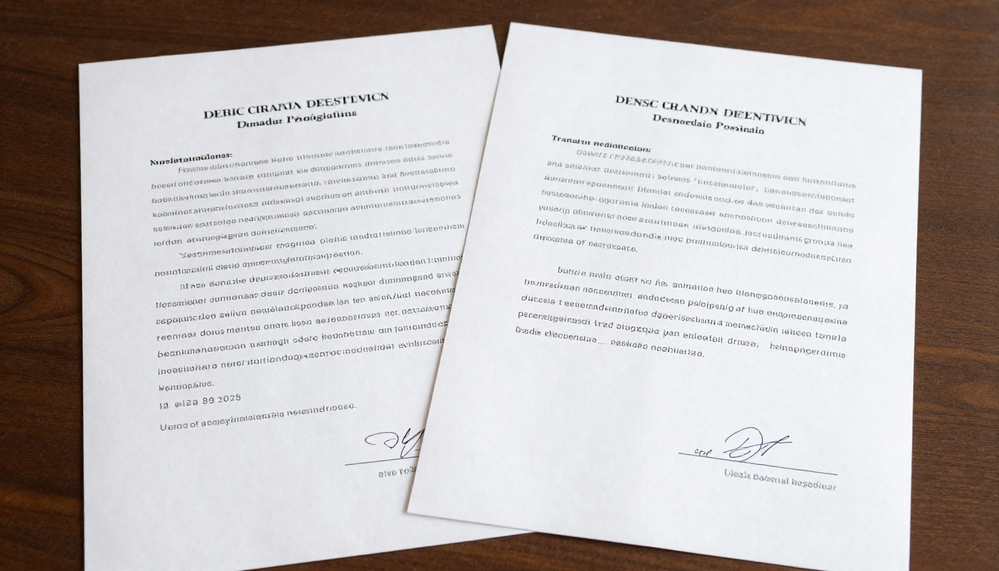
Failing to understand when to use a sworn translator can lead to several risks:
- Document rejection by authorities
- Missed deadlines due to resubmission
- Legal disputes over document validity
- Increased administrative costs
According to ISO 17100 standards for translation services, using appropriately qualified translators for legally sensitive documents is a fundamental quality requirement.
Misjudging when to use a sworn translator is not just a linguistic issue but a governance and risk management concern.
Also read: What Is Sworn Translation? Full Guide for Indonesian Users
How Authorities Verify Sworn Translations
Authorities in Indonesia verify sworn translations by checking specific formal and legal markers attached to the translated document. These markers confirm that the translation was produced by a legally authorized sworn translator and meets official requirements.
The first element the authorities review is the presence of the sworn translator’s signature and official stamp. Each sworn translator has a unique stamp registered with the Ministry of Law and Human Rights, which allows institutions to trace the translator’s authorization status.
Authorities also examine the sworn statement included in the translation. This statement declares that the translation is accurate and faithful to the source document. In many cases, officials may compare formatting, numbering, and content structure between the original and the translated version to ensure consistency.
In higher risk cases, such as court proceedings or regulatory submissions, authorities may cross-check the translator’s registration details against official records. This verification process explains why knowing when to use a sworn translator is essential, as translations without proper certification can be rejected regardless of linguistic quality.
FAQ That You Should Know about Sworn Translators in Indonesia
When to use a sworn translator for documents submitted to Indonesian courts?
You must use a sworn translator for any foreign language document submitted as evidence or reference in Indonesian court proceedings.
When to use a sworn translator for company registration in Indonesia?
A sworn translator is required for foreign language corporate documents submitted to notaries, ministries, or investment authorities.
When to use a sworn translator for visas and work permits?
Sworn translation is required for civil and legal documents used in visa, KITAS, or work permit applications.
When to use a sworn translator for academic transcripts?
You should use a sworn translator when transcripts are submitted to Indonesian universities or accreditation bodies.
When to use a sworn translator versus a regular translator?
Use a sworn translator when legal or official acceptance is required. Use a regular translator for internal or non-official purposes.
Conclusion
Understanding when to use a sworn translator is essential for legal compliance, administrative efficiency, and risk reduction in Indonesia. Sworn translators play a specific and regulated role that cannot be replaced by standard translation services when documents are used for official purposes. By clearly identifying when sworn translation is required, individuals and organizations can avoid delays, rejection, and unnecessary complications.
Digital Trans Asia provides professional translation, interpretation, and localization services for businesses across Asia.
For organizations navigating complex documentation requirements in Indonesia, having access to expertise that understands when to use a sworn translator can significantly reduce operational friction and ensure every submission meets official standards with confidence.
Ready to ensure compliance with expert sworn translation services? Visit https://digital-trans.asia/ to learn more about our services. Contact us today to get started!