
Translation Context Management: Automation Strategies for Localization Teams
Translation context management is the process of organizing, maintaining, and delivering contextual information that helps translators understand how content is used within a product, campaign, or interface. It improves localization accuracy by reducing ambiguity and ensuring consistent messaging across languages. In modern localization workflows, automation strategies help translation context management scale efficiently across large volumes of multilingual content.
What Is Translation Context Management in Localization
Translation context management refers to the systems and processes used to provide translators with the information they need to accurately localize content. This includes screenshots, UI previews, metadata, glossaries, comments, tone guidelines, and usage examples.
Without proper translation context management, translators often work with isolated text strings that lack meaning. This can result in mistranslations, inconsistent terminology, or awkward phrasing. In industries such as SaaS, gaming, and digital marketing, even small context errors can negatively impact user experience.
Translation context management is increasingly important because localization workflows now involve continuous updates across websites, applications, and marketing campaigns. Automation tools help streamline this process by connecting content systems directly to localization platforms.
Key components of translation context management include:
- Visual context, such as screenshots and interface previews
- Terminology databases and glossaries
- Metadata explaining text usage
- Automated workflows for content updates
- Collaboration tools for translators and developers
According to Nimdzi Insights, translators working with visual context can complete tasks faster and with fewer revisions compared to workflows without contextual support. This highlights why translation context management has become essential for modern localization teams.
Benefits of Translation Context Management for Localization Teams
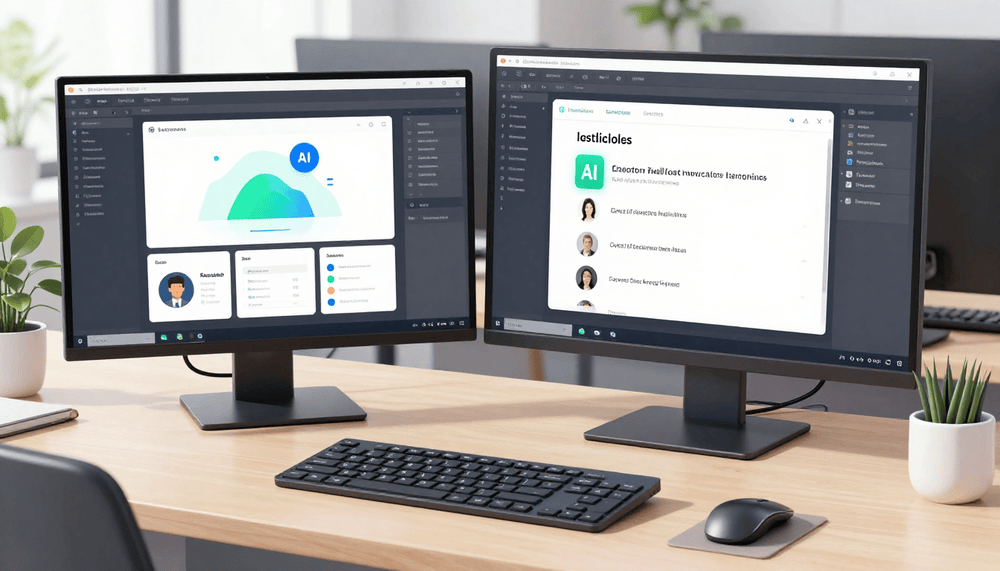
Implementing translation context management provides measurable advantages for localization quality, workflow efficiency, and global marketing performance.
Improved Translation Accuracy
Contextual information reduces ambiguity and minimizes translation errors.
Faster Localization Cycles
Automated workflows reduce manual handoffs and speed up delivery times.
Reduced Revision Costs
Industry reports show that context-aware localization workflows can reduce rework by up to 50 percent.
Better Brand Consistency
Translation context management helps maintain consistent terminology and tone across multiple markets.
Improved Collaboration
Translators, marketers, and developers can communicate more effectively through centralized systems.
Enhanced User Experience
Accurate translations improve usability, readability, and customer trust.
Scalable Localization Operations
Automation enables teams to manage increasing volumes of multilingual content efficiently.
How Translation Context Management Works in Automated Localization Workflows
Modern translation context management combines technology, automation, and collaboration to improve localization efficiency.
1. Content Extraction and Integration
Content from websites, apps, CMS platforms, or marketing systems is automatically extracted and sent to localization platforms through APIs or integrations.
2. Context Collection
The system gathers contextual information such as screenshots, UI layouts, comments, and metadata. This is a core part of translation context management because it helps translators understand where and how content appears.
3. Terminology and Style Guide Application
Translation memory databases, glossaries, and brand style guides are applied automatically to ensure consistency across projects.
4. Automated Task Assignment
Localization platforms automatically assign tasks to translators, reviewers, or editors based on workflow rules and language requirements.
5. In-Context Translation and Editing
Translators work within visual environments where they can preview content in real time. This improves accuracy and reduces layout issues.
6. Quality Assurance Automation
Automated QA systems detect issues such as missing translations, inconsistent terminology, formatting errors, or text overflow.
7. Deployment and Continuous Updates
Approved content is automatically pushed back into websites, apps, or marketing platforms, supporting continuous localization.
This workflow allows translation context management to support large-scale multilingual operations while reducing manual effort and errors.
Automation Strategies That Improve Translation Context Management
Automation has transformed how localization teams manage multilingual content. Several strategies are commonly used to strengthen translation context management.
API-Based Localization Integration
APIs connect localization platforms directly to CMS systems, apps, and repositories. This minimizes manual uploads and reduces workflow delays.
Screenshot Automation
Modern tools automatically capture screenshots whenever new content is added or updated. This ensures translators always have updated visual references.
AI-Powered Context Suggestions
AI systems can analyze previous translations and suggest contextual information based on historical usage patterns.
Continuous Localization Pipelines
Continuous localization automatically detects content changes and sends them for translation without interrupting development cycles.
Automated Terminology Enforcement
Glossaries and terminology databases are integrated directly into localization tools to maintain consistency across languages.
Smart Notifications and Collaboration
Automated alerts help teams respond quickly to updates, revisions, or QA issues.
These automation strategies improve translation context management by reducing repetitive tasks and allowing teams to focus on quality and cultural adaptation.
Also read: How Live Service Games Transform Monetization and Player Support Through Localization
Common Mistakes in Translation Context Management
Despite its advantages, many organizations struggle to implement translation context management effectively.
Despite its advantages, many organizations struggle to implement translation context management effectively. In many cases, localization issues happen not because translators lack skills, but because the workflow itself does not provide enough context, structure, or collaboration. These mistakes can reduce translation quality, increase revision costs, and slow down global content delivery.
1. Providing Limited Context
Translators often receive isolated text without screenshots or explanations, leading to confusion and inaccurate translations.
Words and phrases can have multiple meanings depending on where they appear in an interface or campaign. Without visual references or usage notes, translators may misinterpret intent, especially in short UI strings or marketing slogans. Effective translation context management ensures that translators understand both the linguistic and functional purpose of content.
2. Overreliance on Automation
Automation improves efficiency, but human oversight is still necessary for quality control and cultural accuracy.
Automated workflows can speed up localization, but they cannot fully understand tone, humor, cultural nuance, or emotional messaging. A balanced translation context management strategy combines automation with professional linguistic review to maintain quality.
3. Ignoring Terminology Consistency
Without centralized glossaries, inconsistent terminology can weaken brand identity.
Different translators may use different terms for the same feature, product, or concept. Over time, this creates confusion for users and affects brand credibility. Translation context management should include terminology databases and style guides that are regularly updated across teams.
4. Delayed Context Updates
Outdated screenshots or interface previews can create translation errors during product updates.
As websites and applications evolve, contextual references must also be updated. If translators rely on old screenshots or outdated UI layouts, the final localized content may no longer match the live product. Maintaining the current context is a key part of successful translation context management.
5. Lack of Collaboration Between Teams
Poor communication between developers, marketers, and translators reduces workflow efficiency.
Localization is not an isolated task. Developers provide technical context, marketers define messaging goals, and translators adapt content for local audiences. Without collaboration, teams may work with incomplete information, resulting in delays or inconsistent localization quality.
6. Skipping Quality Assurance
Automated systems help identify errors, but manual review is still important for contextual accuracy.
QA processes should include linguistic review, UI testing, and functional validation. Even with advanced translation context management systems, some issues can only be identified through human review within the final product environment.
Also read: [Which Documents Still Require Professional Translation in the AI Era?]https://digital-trans.asia/news-and-blogs/post/which-documents-still-require-professional-translation-in-the-ai-era)
7. Using Fragmented Tools
Disconnected systems create workflow inefficiencies and reduce visibility across projects. When localization teams rely on separate platforms for translation, screenshots, project management, and QA, workflows become harder to manage. Integrated translation context management systems improve collaboration, transparency, and efficiency.
8. Not Measuring Localization Performance
Teams that do not track quality metrics struggle to improve translation context management processes over time.
Metrics such as error rates, revision frequency, turnaround time, and user feedback help organizations evaluate localization performance. Without data, it becomes difficult to identify workflow bottlenecks or improve quality standards.
9. Failing to Prioritize High-Impact Content
Not all content requires the same level of contextual detail. Some organizations apply identical workflows to every text string, which can slow down operations unnecessarily.
Translation context management should prioritize high-visibility content such as landing pages, onboarding flows, marketing campaigns, and product interfaces where context has the greatest impact.
10. Treating Context as a Secondary Consideration
Some teams still view context as optional rather than essential. In reality, context directly influences translation quality, usability, and customer experience. Strong translation context management ensures that localization is aligned with both user expectations and business goals.
Also read: Scaling Global Meetings with Video Remote Interpreting Services
FAQ
1. What is translation context management?
It is the process of organizing and providing contextual information to support accurate localization.
2. Why is translation context management important?
It improves translation quality, consistency, and user experience.
3. What type of context is used in localization?
Common examples include screenshots, metadata, glossaries, and UI previews.
4. How does automation support translation context management?
Automation reduces manual tasks and helps manage content updates more efficiently.
5. Can translation context management improve conversion rates?
Yes. Clear and culturally accurate content improves user trust and engagement.
6. Which industries benefit most from translation context management?
Industries such as SaaS, gaming, e-commerce, and digital marketing benefit significantly.
7. Is translation context management only for large companies?
No. Businesses of all sizes can improve localization quality through better context management.
Conclusion
Translation context management has become a critical part of modern localization workflows. As businesses produce larger volumes of multilingual content, providing accurate context helps ensure consistency, usability, and better customer experiences across markets.
Organizations looking to improve localization quality often benefit from workflows that combine automation with human expertise. A professional translation company provides professional translation, interpretation, and localization services for businesses across Asia.
A well-structured translation context management strategy allows localization teams to reduce errors, streamline collaboration, and scale multilingual operations more efficiently in competitive global markets.
Ready to improve your translation context management for Asian markets? Visit https://digital-trans.asia/ to learn more about our services. Contact us today to get started!