How the 2026 FIFA World Cup Raises the Stakes for Brand Localization
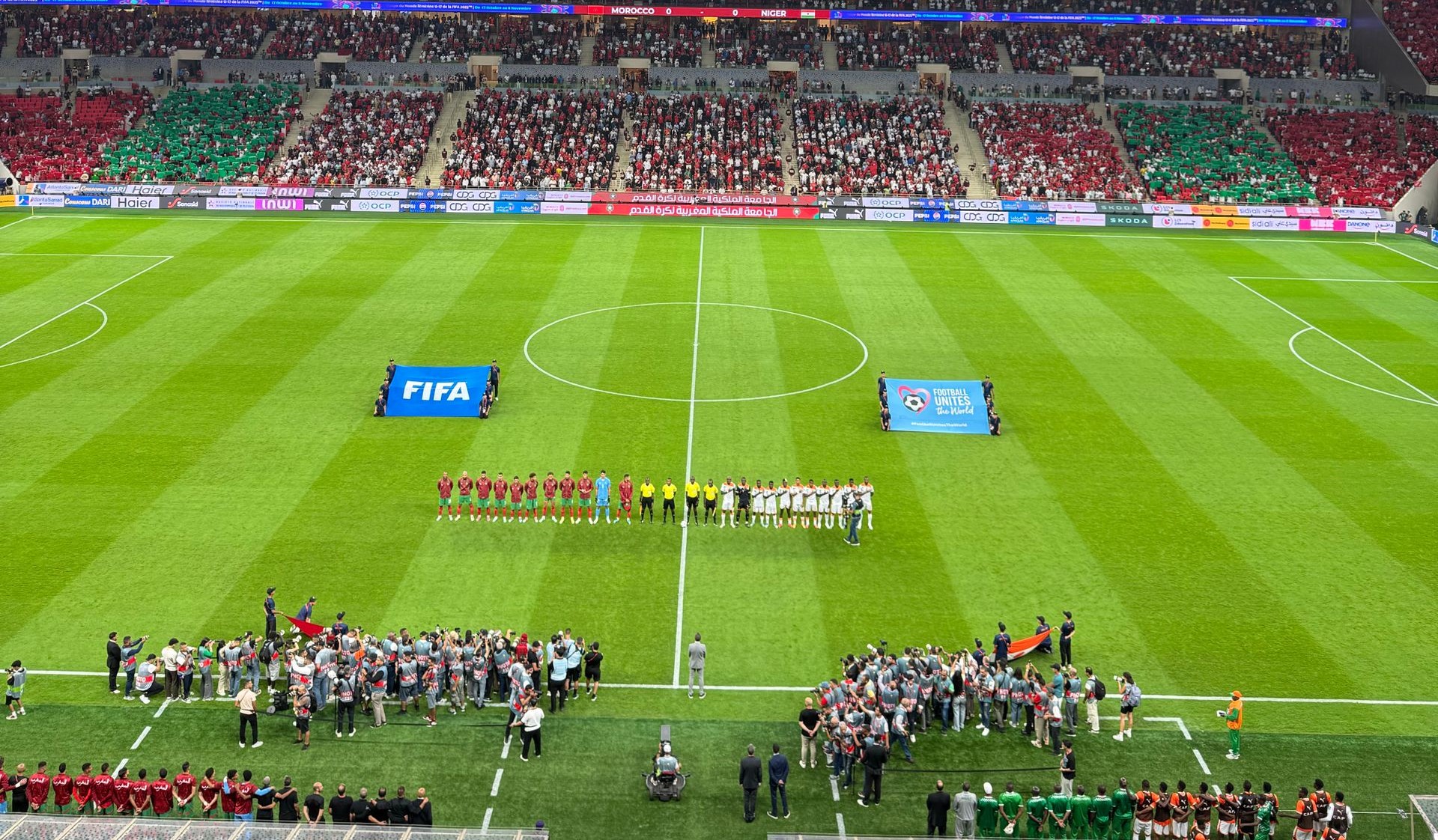
In addition, the FIFA World Cup is a prime example of how brands must fight to reach their audience, despite language, geography, and cultural barriers, all under the pressure of extremely fast content delivery. During the FIFA World Cup 2026, the communication process becomes especially complex, as more than 104 matches will be broadcast worldwide across 220 territories.
Moreover, participating brands face the task of crafting messages that will go beyond the borders of the countries, aiming for a global audience. In addition, this should happen within just a few hours or even minutes. Therefore, brand localization becomes a necessary aspect of managing large-scale global campaigns.
So, what goes into efficient brand localization in such circumstances? Let us find out.
About The World Cup 2026 (When, Where, How)
FIFA World Cup 2026 (11th June to 19th July 2026) is the biggest FIFA tournament so far, which involves 48 countries competing in 104 matches at 16 different venues located in the USA, Canada, and Mexico. Such an extensive event required immediate localization of advertiser activities.
Consider the numbers individually. Forty-eight teams mean more nationalities, languages, fan cultures, and market-specific conversations to account for. There follow 104 games, each generating opportunities for real-time content, social media campaigns, promotional activities, and post-game communications.
As there are 16 host cities in three different countries, brands must take into account the variations in the local audience, regulations, culture, and consumer behavior in each market.
The impact is not limited to the host cities alone. FIFA’s media distribution covers more than 220 broadcast territories, giving brands a global audience with vastly different expectations and cultural contexts. On top of that, FIFA has outlined 8,000 hours of additional non-live content, creating even more opportunities for brands to participate in the conversation before, during, and after matches.
Put all of these numbers together, and the challenge becomes clearer. Additional numbers of teams, matches, cities, markets, and types of content are additional links that must be governed whenever a brand creates new marketing campaigns.
The FIFA World Cup 2026: A Catalyst for Brand Growth
Turns Campaigns Into Cultural Events
LEGO showed how a World Cup campaign can extend far beyond the brand’s own channels. Its “Everyone Wants a Piece” campaign brought Lionel Messi, Cristiano Ronaldo, Kylian Mbappé, and Vinícius Jr. together to build the tournament trophy, generating 314 million views across the players’ Instagram accounts within 24 hours. A post by Ronaldo alone engaged his 666 million followers, which translates to 5.5% of the entire campaign’s engagement.
Lessons from this case study for brands considering participation in the FIFA World Cup 2026 discussion are obvious – having the right talent in place can make any local campaign a topic of discussion. And so brand localization becomes not just a matter of language translation but an opportunity to engage in meaningful content development based on the local community.
From the Streets to the Stadium
Adidas took a different route with “Backyard Legends,” a five-minute film featuring Timothée Chalamet as a recruiter of street-football talent alongside Messi, Bad Bunny, Jude Bellingham, Lamine Yamal, and Trinity Rodman. The campaign also resurrected younger versions of David Beckham, Zinedine Zidane, and Alessandro Del Piero, with Mark Molloy serving as director for the advertisement.
Its success, however, wasn’t just about the big names who appeared in it. The advertisement began in the street football arena before entering the stadium, thus tapping into a more universal aspect of football culture.
The campaign already had a big monetary effect as Adidas managed to sell $292 million worth of World Cup merchandise prior to the start of the tournament. In this regard, brand localization shows that adapting a campaign does not require changing the words. The stronger opportunity can lie in identifying the cultural ideas that audiences in different markets already associate with the sport.
Fan Attention Is Becoming Premium Advertising Real Estate
Sponsoring the World Cup may provide brands with access to audiences that are particularly focused. In total, 73% of World Cup fans worldwide pay particular attention to their sponsors, and 21% report that the sponsorship has made them try a new brand. That attention becomes even more valuable as FIFA expands the commercial inventory surrounding matches.
FIFA has approved advertising inventory within the three-minute drink breaks available during every match, creating a new programmable advertising opportunity in a live sports environment expected to reach billions of viewers. CPM of streaming up to $120 is one way to demonstrate the value of such attention. Cost-per-mille, or CPM, is the cost for reaching 1,000 viewers for advertisers.
Thus, a CPM of $120 will mean a media cost of about $120,000 for reaching one million impressions, not considering the cost of the rest of the advertising campaign. So, for companies, the difficulty will not only lie in achieving their exposure during the FIFA World Cup 2026, but also in making it relevant for their audiences.
Tap Into Local Business Prospects
A global event can create opportunities well beyond the stadium, especially for small local businesses. Across North America, host-city organizers and local chambers of commerce are actively encouraging small businesses to prepare for the economic activity surrounding the FIFA World Cup 2026.
Kansas City, for instance, introduced the “KC Game Plan,” a regional initiative designed to help small businesses get tournament-ready. The program covers practical areas such as business training, readiness assessments, visitor information, and event coordination. Meanwhile, Boston has highlighted opportunities for local companies across hospitality, logistics, and event services.
Elsewhere, New York and New Jersey launched the “Welcome World Rewards Program” to encourage visitors to explore participating local businesses. Through check-in processes, promotions, and gamified activities, the program gives its patrons yet another excuse to explore businesses beyond official tournament venues.
How to Transform Global Events into a Brand Success Story (Points Worth Thinking About)
For a brand to distinguish itself from the rest at a global event such as the FIFA World Cup 2026, there are a few things that should be considered beyond simple participation at the event. The following are some effective tips that help brands build a unique experience:
1. Don’t Think of the One-Size-Fits-All Approach
Although it is true that the same people come together for the same event, it doesn’t mean that the same message would work for all of them. It is important to go for the proper localization of the brand, which goes beyond simply translating the message. Take Lay’s as an illustration of this approach through its No Lay’s No Game campaign.
Rather than running one uniform campaign across North America, the brand tailored its approach to different audience groups. In the US, a campaign featuring Will Ferrell was designed to connect with more casual sports audiences who may be less familiar with the game.
For international fans, Lay’s took a more direct route through private WhatsApp broadcast groups featuring global football figures such as Lionel Messi, creating a more targeted and market-specific way to engage consumers.
Read more: How Cultural Nuances Impact Subtitle Localization Quality
2. Create Moment-Based Content
Moment-based marketing provides an opportunity for brands to partake in conversations while they are still occurring by leveraging contemporary topics, cultural occurrences, or current affairs to create authentic and timely content. The approach of localization in branding becomes more useful by enabling teams to fine-tune the message to the topics that are on their audiences’ minds in each market.
The pragmatic way of using moment-based marketing is:
- Watch the trends and social discussions closely. Keep track of social media to stay updated on FIFA news, important news reports, viral memes, and other matters gaining traction. This aspect will help brands participate in relevant conversations before the audience loses its interest.
- Connect the moment with what the brand stands for. A trending event should have a natural link to the brand's identity, products, or message. This balance keeps the content relevant without making the campaign feel like an opportunistic attempt to chase attention.
- Move quickly from idea to execution. Moment-based content depends heavily on speed. Brands need to conceive, create, and disseminate their campaign in less than a day. There are numerous cases during competitions when a brand can get inspiration from the live broadcast and create some social media content right away.
- Brands should utilize social media and hashtags correctly. It is not possible to run campaigns that work in the moment without social media platforms. In this respect, when the FIFA World Cup 2026 is happening, brands can create memes, videos, and GIFs with a suitable hashtag.
3. Increase Brand Visibility Beyond the Event Sponsorship Opportunities
An official sponsorship gives brands some valuable assets that include the right to the event logo, visibility on the stadium, fan festivals, VIP hospitality, etc. These assets may be very costly and highly competitive, and therefore, not available for brands with tight marketing budgets.
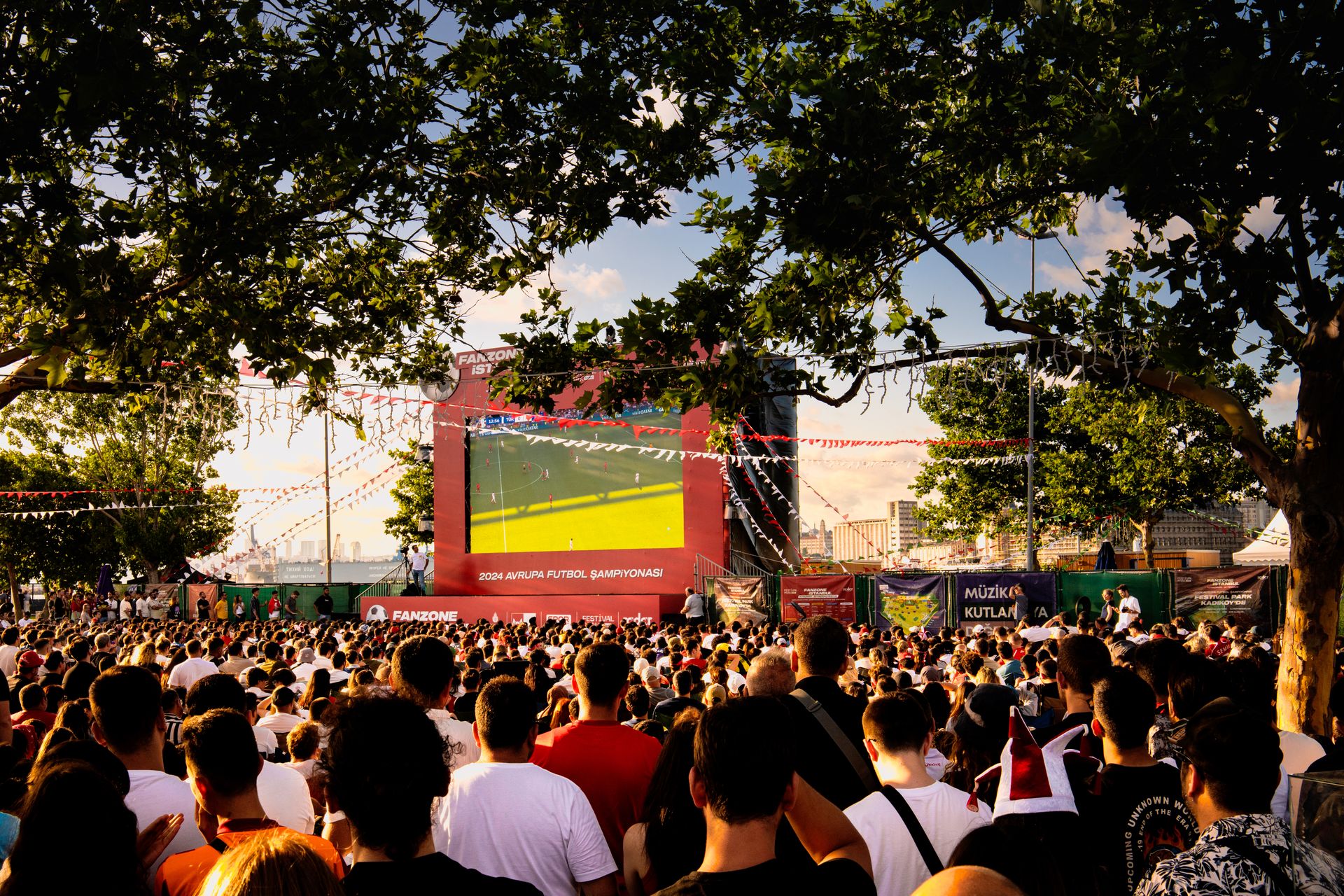
Another opportunity for gaining brand visibility is outdoor advertising in local fan zones. Brands can locate billboards, digital screens, and street furniture in the zones where fans naturally gather to promote the message without using any event properties.
In this case, geotargeted DOOH (digital out-of-home) is especially effective. Digital screens can be chosen according to a certain location and changed instantly depending on events related to the tournament. The flexibility also means a campaign can change its message immediately after a match, keeping the content timely without requiring FIFA broadcast rights.
For example, in France, during the FIFA World Cup 2026, major cities hosted their own fan zones, often in public spaces without an official FIFA affiliation. Many fans attended these locations for each event, leading to fascinating advertising possibilities. Traditional media that include 4x3-meter billboards, digital screens, and street furniture are effective advertising tools to reach the audience.
For SMBs, this can be one of the more accessible ways to gain visibility during a major tournament. The catch is timing. Advertising demand can surge around major competitions, so the most strategic locations may be secured well before the tournament begins. Planning and booking placements early can give brands more control over where they appear when fan traffic reaches its peak.
4. Partner With Local Influencers or Creators
By collaborating with influencers, brands can have an opportunity to reach out to audiences in a more personal manner through the medium of a big international event. It will not only bring the campaign closer to the community, but also the preexisting followers will help build awareness and engagement levels. It is particularly important for brand localization, as creators know the language, references, and culture of the target market.
It can include both established local celebrities and niche creators with an engaged community. In the FIFA World Cup 2026, some of the local voices promoting activities related to the World Cup included The Hoboken Girl and New Jersey Governor Mikie Sherrill.
Another example includes DAZN’s DAZN48 project, which involved collaboration with creators of each of the 48 qualified nations, while TikTok’s Creator Correspondents initiative brought together 30 creators from 11 countries in the tournament.
Also, creators can make physical activations much more attractive with giveaways, signed merchandise, personal appearances, and unique content.
5. Ambush Marketing
Ambush marketing makes full use of this momentum as it creates an association with the event without being an official sponsor. This technique has been prevalent for many years and has given rise to some of the most memorable advertising campaigns.
One such brand is LEGO. LEGO is a Danish manufacturer but remains outside the FIFA World Cup 2026’s official sponsorship pool. Although the manufacturer has a licensed agreement to produce FIFA merchandise and print its name on the packaging, LEGO is not on the list of sponsors.
On the contrary, in April 2026, the company partnered with Lionel Messi, Cristiano Ronaldo, Kylian Mbappe, and Vinicius Jr. for its latest advertising campaign. Interestingly, the above-mentioned campaign did not mention FIFA or the World Cup’s emblem in particular.
Instead, it centered on broader ideas such as football legends and the spirit of the game. According to Sports Marketing analysts, the campaign generated a dramatic increase in engagement, showing how the emotional pull of globally recognized athletes can create an event connection without relying on official branding.
For brands considering a similar approach, three factors deserve particular attention:
- Creativity: Look for a way to establish some sort of emotional association with the particular event you want to mention while at the same time not using elements requiring any permissions. Make sure the concept works on its own even if it is based on something that people care about.
- Timing: Events of importance will undoubtedly cut down the time to grab people's attention. Ensure that your campaigns are timed and relevant.
- Legal Background: Ensure you acquaint yourself with the names of events, logos, trademarks, images, and all other forms of intellectual property your organization can use. Creative ambition needs to stay within clearly defined legal boundaries.
Why Professional Localization Matters for Global Campaigns
A campaign can capture global attention, but a poorly localized message can quickly undermine that impact in individual markets. Differences in language, cultural references, tone, and even legal considerations make localization increasingly important as brands expand their campaigns across countries. For major events with limited windows of attention, working with a professional localization provider can help brands adapt content accurately and consistently without slowing down execution.
Digital Trans Asia provides professional translation, interpretation, and localization services for businesses across Asia.
Read more: Top 10 Localization Companies to Scale Your Business Globally
Make Your Brand Matter When the World Is Watching
The 2026 FIFA World Cup presents brands with enormous opportunities to reach global audiences, but it also brings intense competition for their attention. With viewers spread across different markets and information traveling fast, visibility alone is not enough. Brands need to deliver messages that resonate with local audiences.
As attention becomes more expensive and audiences face a constant stream of event-related content, precision can matter as much as reach. Geotargeted advertising, local creator partnerships, and event-timely content can help brands enter conversations in ways that feel relevant to the people and places they want to reach. The same principle applies beyond the World Cup, whether a brand is preparing for the Olympics, a music festival, or another major international event.
That is why you should consider brand localization as a strategic advantage. Rather than treating every market as an extension of the same global campaign, brands can adapt their content to local language, culture, context, and audience behavior while maintaining a consistent brand identity.