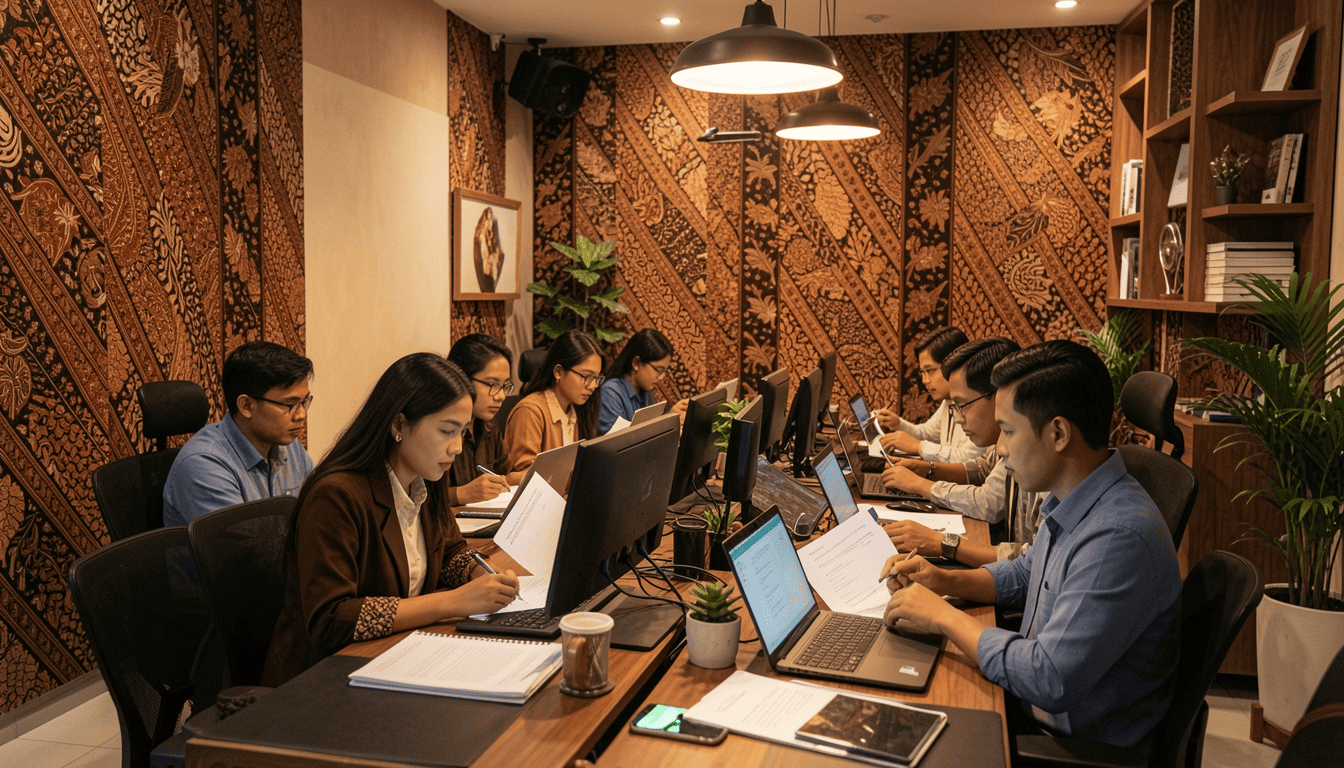
What Businesses Should Know About Indonesian Dubbing Localization
Companies expanding into the Indonesian market must remember that dubbing localization goes far beyond simply translating dialogue into Indonesian. The essence of successful dubbing localization in the Indonesian market is adapting spoken content so that it feels natural and engaging for local viewers, while maintaining its meaning and emotions.
What Is Dubbing Localization in Indonesia?
Dubbing localization in Indonesia replaces original spoken dialogue with a professional voice recording in Indonesian, taking into account adaptation of language, tone, cultural references, and timing for Indonesian viewers.
Unlike standard translation, dubbing localization takes into account such additional factors as:
- Cultural adaptation
- Lip synchronization (if necessary)
- Natural flow of conversation
- Voice-over performance
- Viewers' expectations
- Industry-specific terminology
The main goal of dubbing localization is not just translation, but recreating the same emotional resonance for Indonesian viewers.
Jokes that resonate in the original language do not always land with Indonesian audiences. So instead of literal translation, the localization team may use an Indonesian expression that evokes the same reaction from viewers.
This strategy allows viewers to concentrate on the plot and the message.
Why Is Indonesian Dubbing Becoming More Important?
Indonesia is one of Southeast Asia's largest digital markets.
According to Statista, Indonesia has over 215 million internet users, making it one of the world's largest online populations. Growing internet access has fueled demand for streaming platforms, online education, mobile gaming, and digital marketing content.
Meanwhile, CSA Research consistently reports that consumers are significantly more likely to engage with content presented in their native language. While subtitles provide basic accessibility, professionally dubbed audio creates a far more immersive and effortless viewing experience.
As businesses increasingly distribute video content globally, Indonesian dubbing localization has become an important part of international localization strategies.
Benefits of Dubbing Localization in Indonesia
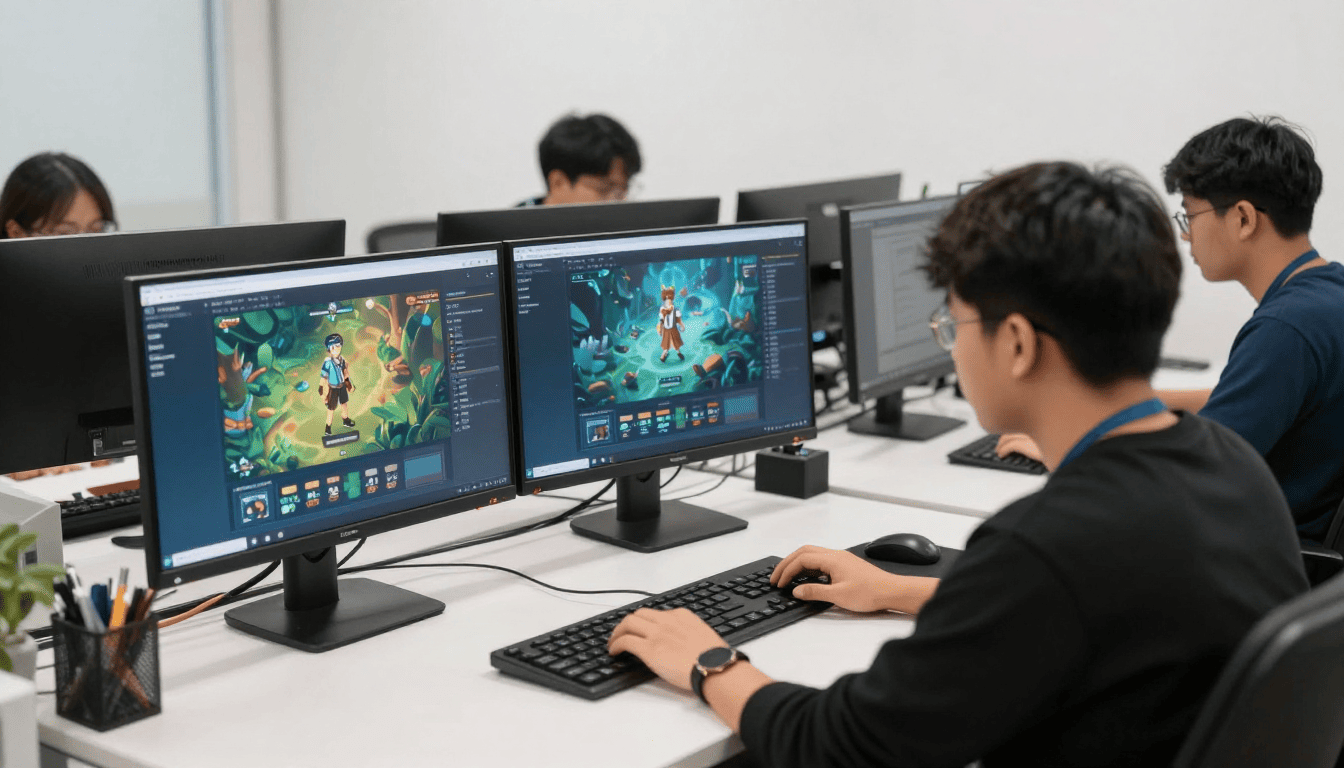
Professional dubbing localization offers advantages that extend beyond language translation.
Creates a More Natural User Experience
People naturally absorb information better when listening in their native language.
Whether watching a training module, product demonstration, or promotional video, Indonesian audiences can focus on the message instead of reading subtitles.
For educational content, this often improves learning effectiveness because viewers spend less mental effort switching between audio and subtitles.
Builds Greater Trust
Localized voice content often feels more authentic than direct translation. A professional Indonesian voice actor using culturally appropriate language helps audiences perceive the brand as more familiar and trustworthy.
This is particularly valuable for:
- Healthcare organizations
- Financial services
- Government communication
- Corporate training
- Educational platforms
Expands Audience Reach
Not every viewer prefers subtitles.
Children, older audiences, and people consuming content on mobile devices often favor dubbed content because it requires less reading.
Offering Indonesian dubbing expands content accessibility across broader demographics.
Supports Better Brand Consistency
Professional localization teams maintain consistent terminology, pronunciation, tone of voice, and messaging across multiple videos.
This is especially important for companies producing:
- Product tutorials
- Customer support videos
- Internal training materials
- Marketing campaigns
- Software walkthroughs
Improves Viewer Engagement
Several studies published in educational and media research have shown that content presented in a viewer's native language can improve comprehension and retention.
For digital learning platforms, localized narration often contributes to better course completion rates and user satisfaction.
Strengthens International Expansion
Businesses expanding into Indonesia demonstrate greater commitment to local customers when they invest in professionally localized content.
Rather than appearing as foreign companies simply translating existing materials, they present themselves as brands that genuinely understand local audiences.
How Indonesian Dubbing Localization Works
Professional dubbing localization involves several carefully coordinated stages.
1. Content Evaluation
The localization team first reviews the source material.
They identify:
- Target audience
- Industry terminology
- Tone of voice
- Cultural references
- Technical requirements
- Synchronization needs
This planning stage determines the overall localization strategy.
2. Script Translation and Localization
Instead of producing a literal translation, linguists adapt the script to sound natural in Indonesian.
This includes:
- Rewriting idioms
- Adjusting humor
- Simplifying complex phrasing
- Localizing cultural references
- Preserving emotional intent
The goal is conversational Indonesian that reflects how native speakers naturally communicate.
3. Timing and Dialogue Adaptation
For film, television, animation, and promotional videos, dialogue must match exact speaking durations.
Localization specialists adjust sentence structure while maintaining the original meaning.
Lip synchronization may also be required depending on the production type.
4. Voice Casting
Voice actors are selected based on several factors, including:
- Age
- Gender
- Vocal style
- Emotional range
- Character personality
A suitable voice can significantly influence audience engagement.
5. Voice Recording
Professional recording sessions ensure:
- Clear pronunciation
- Consistent pacing
- Emotional accuracy
- High audio quality
Directors typically guide voice actors throughout the recording process to maintain consistency.
6. Audio Editing and Mixing
Post-recording, audio engineers refine the track by:
- Removing noise
- Balancing volume
- Synchronizing dialogue
- Mixing background music
- Matching sound effects
The localized version should feel seamless to viewers.
7. Quality Assurance
The final stage includes comprehensive quality checks covering:
- Translation accuracy
- Audio quality
- Timing
- Pronunciation
- Cultural appropriateness
- Technical compatibility
Only after passing quality assurance is the localized content delivered.
Common Mistakes and Challenges
Although dubbing localization offers significant advantages, businesses often encounter several common challenges.
Treating Dubbing as Simple Translation
Literal translation rarely produces natural dialogue. Without localization, conversations may sound robotic or culturally inappropriate.
Best practice: Work with native Indonesian linguists who understand both language and cultural context.
Ignoring Regional Language Preferences
Indonesia is linguistically diverse. While Indonesian serves as the national language, vocabulary preferences, formality levels, and expressions may differ depending on audience demographics.
Best practice: Define your target audience before localization begins.
Choosing Voices That Do Not Match the Brand
A mismatch between voice talent and brand identity undermines brand credibility.
For example, a playful voice may not suit medical training videos, while an overly formal narrator may not fit youth-oriented campaigns.
Best practice: Develop voice guidelines before recording sessions.
Overlooking Industry Terminology
Industries such as healthcare, finance, engineering, and software require consistent terminology. Incorrect terminology can confuse viewers or damage credibility.
Best practice: Create approved terminology glossaries before translation begins.
Skipping Quality Review
Even professionally translated scripts require thorough review before publication. Minor pronunciation issues, synchronization errors, or unnatural dialogue can negatively affect user experience.
Best practice: Include linguistic review, technical review, and native-speaker testing in every localization project.
FAQ
What is the difference between dubbing and subtitles?
Subtitles translate written text on screen, while dubbing replaces the original spoken dialogue with localized voice recordings.
Is dubbing localization only for movies?
No. Businesses use dubbing localization for advertisements, corporate training, e-learning courses, product videos, software tutorials, webinars, and marketing campaigns.
Why is localization better than direct translation?
Localization adapts language, culture, humor, tone, and context so the message feels natural to local audiences rather than simply translating words.
Does Indonesian dubbing require lip synchronization?
Not always. Lip synchronization is common in films and animation but may be less critical for corporate videos, online learning, or documentaries.
How long does an Indonesian dubbing project usually take?
Project timelines vary depending on content length, script complexity, number of voice actors, and post-production requirements. Short videos may take only a few days, while larger productions can require several weeks.
Should businesses localize scripts before recording?
Yes. Localizing the script first ensures voice actors deliver dialogue that sounds natural and culturally appropriate.
Can the same Indonesian dubbing be used across all audiences?
Not necessarily. Audience demographics, industry requirements, and communication style may require different localization approaches.
What industries benefit most from Indonesian dubbing localization?
Streaming platforms, gaming companies, software providers, educational institutions, healthcare organizations, manufacturers, and multinational corporations commonly use Indonesian dubbing localization.
Is professional voice acting important?
Yes. Professional voice actors elevate emotional delivery, tone consistency, and audience engagement, ensuring localized content feels genuine rather than artificial.
Digital-Trans Asia provides professional translation, interpretation, and localization services for businesses across Asia. By partnering with experienced localization specialists, companies can scale higher-quality multilingual content while ensuring accuracy, consistency, and an authentic experience for Indonesian audiences.
Conclusion
As Indonesia's digital economy continues to expand, businesses increasingly rely on localized audiovisual content to engage customers, employees, and partners. Investing in dubbing localization in Indonesia allows organizations to communicate naturally, improve audience understanding, and strengthen trust through culturally relevant voice content.
Whether producing marketing videos, online courses, product demonstrations, or entertainment content, successful localization goes beyond translating dialogue. It requires adapting language, tone, timing, and cultural context so the experience feels genuinely Indonesian.
Ready to localize your content with professional Indonesian dubbing services? Visit https://digital-trans.asia/ to learn more about our services. Contact us today to get started!