
What Makes Subtitle Localization Challenging in Sci-Fi and Fantasy
Subtitle localization in sci-fi and fantasy is more complex than in other genres because both genres are based on fictional worlds that are fundamentally different from the reality of our world. The fictional worlds create complex story systems, terms, and concepts of advanced technology or magic that do not have a direct equivalent in other languages. The biggest problem with subtitle localization in sci-fi and fantasy is not just translating the dialogue but maintaining the consistency of world-building, keeping the audience immersed, and making sure that the global audience is able to follow the story without losing its original meaning.
Why Subtitle Localization in Sci-Fi and Fantasy Has Unique Challenges
Subtitle localization is more than translation. It is a process whereby the audiovisual text is not only translated from one language to another but also modified in terms of idioms, humor, cultural nuances, and other aspects so that the translated subtitles sound natural to the target audience.
With the advancement of technology, the demand for content from different genres has also increased, including sci-fi and fantasy. This is also reflected in the data compiled by Parrot Analytics, which indicates that the demand for sci-fi and fantasy content exceeds the supply of content on streaming services by more than double in some cases.
With the increasing worldwide interest in sci-fi and fantasy, the requirement for subtitle localization for sci-fi and fantasy cannot be ignored. As localization requires a deeper level of adaptation than translation, the process becomes much more complicated for sci-fi and fantasy. Several reasons make this process complicated:
- The existence of a fictional world of its own.
- The story world is built on its own internal rules and logic.
- Neologisms and new terminology were created specifically for the story.
- Cultural and historical references that might be foreign to international viewers.
- Information-dense dialogue competing with subtitle space and time constraints.
For sci-fi and fantasy, subtitle localization requires more than just accurate sentence translation. It also requires maintaining the internal consistency of the fictional world and using consistent terminology throughout the story.
Also read: 6 Challenges in Subtitle Localization and How to Nail Them
The Benefits of Proper Subtitle Localization in Sci-Fi and Fantasy
The Benefits of Proper Subtitle Localization in Sci-Fi and Fantasy Professional subtitle localization for sci-fi and fantasy has several important advantages:
Establishing Strong World-Building
When performed correctly, subtitle localization enables fictional terms such as technology names, magic concepts, and other genre-specific elements to retain their sci-fi or fantasy feel in the target language. This enables viewers to stay engaged within the fictional world.
Enhancing Understanding of Complex Concepts
Subtitle localization enables complex technical or lore-heavy dialogue to be presented in a more understandable, accessible manner without losing its original meaning.
Terminology Consistency
Localization helps ensure consistency in the terminology from the start to the finish of the story, avoiding confusion for the readers.
Humor and Cultural Adaptation
Subtitle localization not only adapts the meaning but also the cultural, humor, and idiomatic expressions to ensure that the cultural nuances of humor are retained for the readers.
Global Reach and Commercial Value
High-quality subtitle localization for sci-fi and fantasy helps make the content more commercially valuable and accessible to a global audience.
Building Fan Loyalty
Fans of sci-fi and fantasy are known to be detail-oriented and extremely sensitive to any inconsistencies in terminology. When subtitle localization is done correctly, it helps build fan loyalty.
The Subtitle Localization Process in Sci-Fi and Fantasy
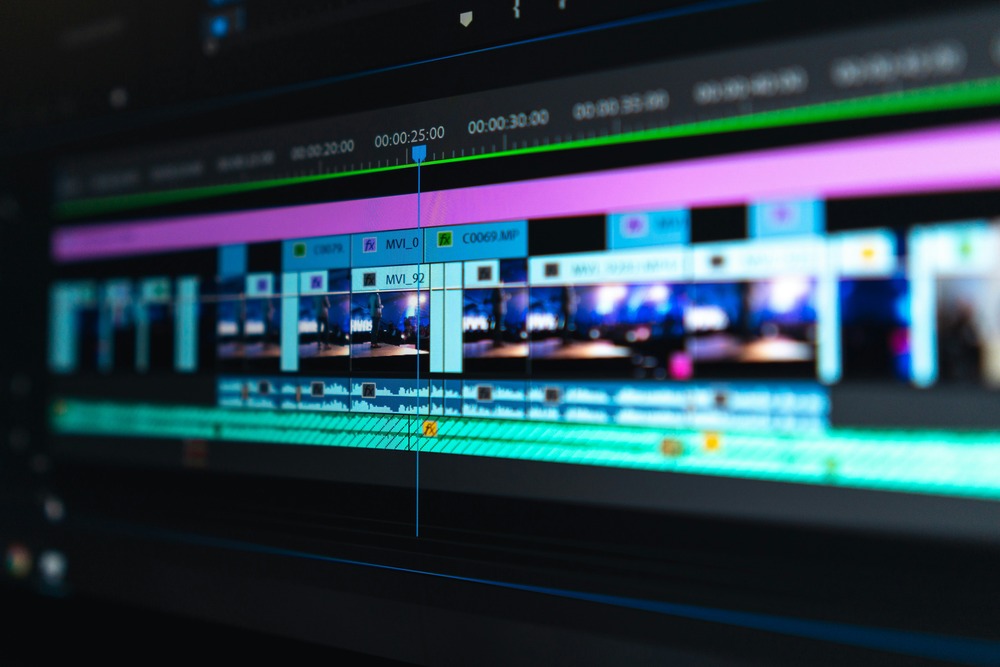
The process of subtitle localization in sci-fi and fantasy typically includes the following steps:
Analysis of the Fictional World and Key Terminology
This stage involves the identification of the fictional world system, terms, and key references that need to be maintained consistently in the story.
Strategy for the Translation of Fictional Terminology
A strategy needs to be formulated regarding whether the fictional terminology should be used as is, translated adaptively, or implicitly stated in the dialogue.
Language Adjustment to Ensure Naturalness
The fictional terminology needs to be expressed naturally in the target language without compromising the intended meaning.
Readability and Synchronization Testing
Long or complex terms need to be adjusted carefully to ensure readability, taking into consideration the subtitle constraints, which are typically 35 to 43 characters per line with a short display time.
Consistency and Context Validation Check
The fictional terms and terminology need to be checked for consistency and validation with the internal context of the fictional world.
Common Mistakes in Subtitle Localization for Sci-Fi and Fantasy
Literal Translation of Fictional Terms
Literal translation of fictional terms without taking into consideration the role of the terms in the story may result in the alteration of the intended meaning.
Inconsistent Terminology
When fictional terms, technological terms, species, or magical concepts are inconsistent in the story, it may result in a disrupted immersion of the audience.
Excessive Simplification
While simplifying complex terms may be required due to subtitle limitations, excessive simplification may result in the destruction of the fictional world’s structure.
Overcrowded Dialogue
Too much explanation in a single subtitle line may result in a negative impact on readability and visual storytelling.
Insufficient Understanding of Story Lore
When the translator lacks an adequate understanding of the story’s background and rules, errors in the context may occur.
FAQ About Subtitle Localization in Sci-Fi and Fantasy
Why is subtitle localization for sci-fi and fantasy more challenging than for other genres?
Because these genres involve fictional worlds with made-up terms and systems that have no equivalent in the target language, making it more complex to adapt them.
Why is consistency in terminology crucial in these genres?
A consistent internal system is necessary for a fictional world to be believable. Inconsistencies can undermine this system.
Why are fans of sci-fi and fantasy more particular about subtitle errors?
In these genres, details matter. Small inconsistencies in terminology can cause the fictional world to fall apart, leading to criticism from hardcore fans.
How does subtitle localization impact the viewing experience in these genres?
Subtitle localization, when done correctly, enables viewers to comprehend fictional ideas without taking their attention away from the visual elements. If subtitles are confusing, viewers cannot immerse themselves in the experience, which can detract from the emotional impact of the story.
Conclusion: Preserving Consistency and Immersion in Subtitle Localization for Sci-Fi and Fantasy
The main issue in subtitle localization for sci-fi and fantasy series is the complexity of the fictional world. The localization of subtitles goes beyond the accuracy of the translation and involves a profound understanding of the fictional world.
When done professionally, subtitle localization for sci-fi and fantasy series will ensure the maximum viewing experience by maintaining viewers immersion and allowing viewers all over the world to be a part of the fictional world. For series that rely on detail, subtitle localization quality becomes an essential part of the viewing experience.
If you are looking for professional subtitle localization services, Digital Asia provides professional translation, interpretation, and localization services for businesses across Asia.
Ready to maintain world-building consistency with expert subtitle localization services? Visit https://digital-trans.asia/ to learn more about our services. Contact us today to get started!