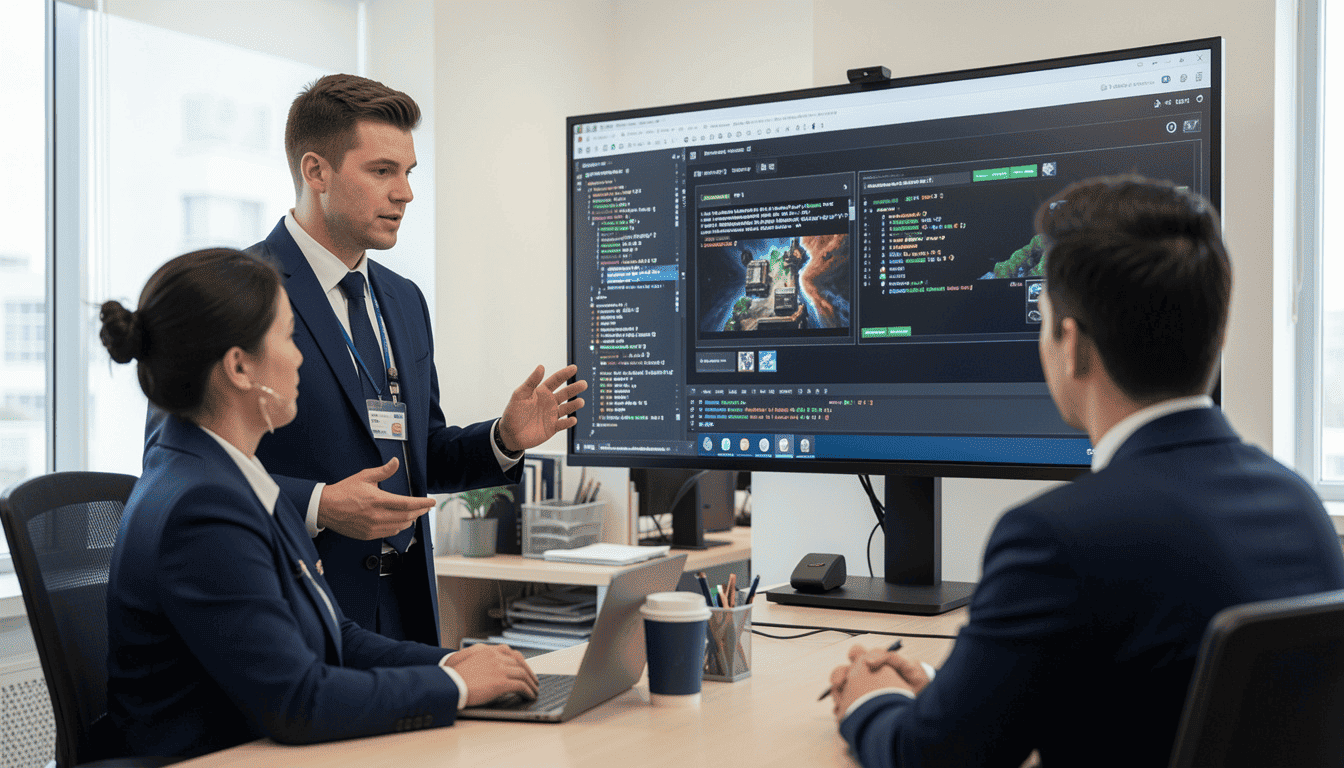
Why Indonesia Is a Key Video Localization Market
The reason why Indonesia is considered a key video localization market lies in the combination of two aspects: being home to one of the biggest digital populations and a multilingual nation, which consumes video content actively in the spheres of entertainment, education, marketing, and even e-commerce. Thus, as businesses begin using video content to connect to their clients, adaptation to Indonesian culture becomes an important aspect.
What Makes Indonesia a Key Video Localization Market?
Video localization is the process of adapting video content to a certain audience. This includes not only translation of spoken dialogues but also subtitling, dubbing, and localization of any on-screen text, graphics, and references to local culture. Video localization differs from translation since it requires not just translation but adaptation of the content, making it appropriate for the local users.
When speaking about what makes Indonesia a key video localization market, there are several aspects making the country a unique one among other countries in Southeast Asia.
Firstly, it is the huge digital audience of Indonesia. According to DataReportal's Digital 2025 Indonesia report, the number of internet users in the country is over 212 million, which accounts for over 74% of the entire population. Video remains the most popular type of digital content in Indonesia.
Second, Indonesia is linguistically diverse. While Bahasa Indonesia serves as the national language, the country is home to more than 700 living languages, according to Ethnologue. Even though national campaigns primarily use Bahasa Indonesia, successful localization often requires consideration of regional culture, dialect preferences, humor, and communication styles.
Third, Indonesian consumers increasingly expect localized digital experiences. CSA Research has consistently found that consumers are more likely to purchase products, engage with brands, and trust information presented in their own language. This expectation extends beyond websites to video content used in marketing, customer support, training, and entertainment.
As video continues to dominate digital communication, businesses entering Indonesia need more than subtitles. They need content that reflects local language use, cultural context, and audience expectations.
Industries That Benefit Most from Video Localization in Indonesia
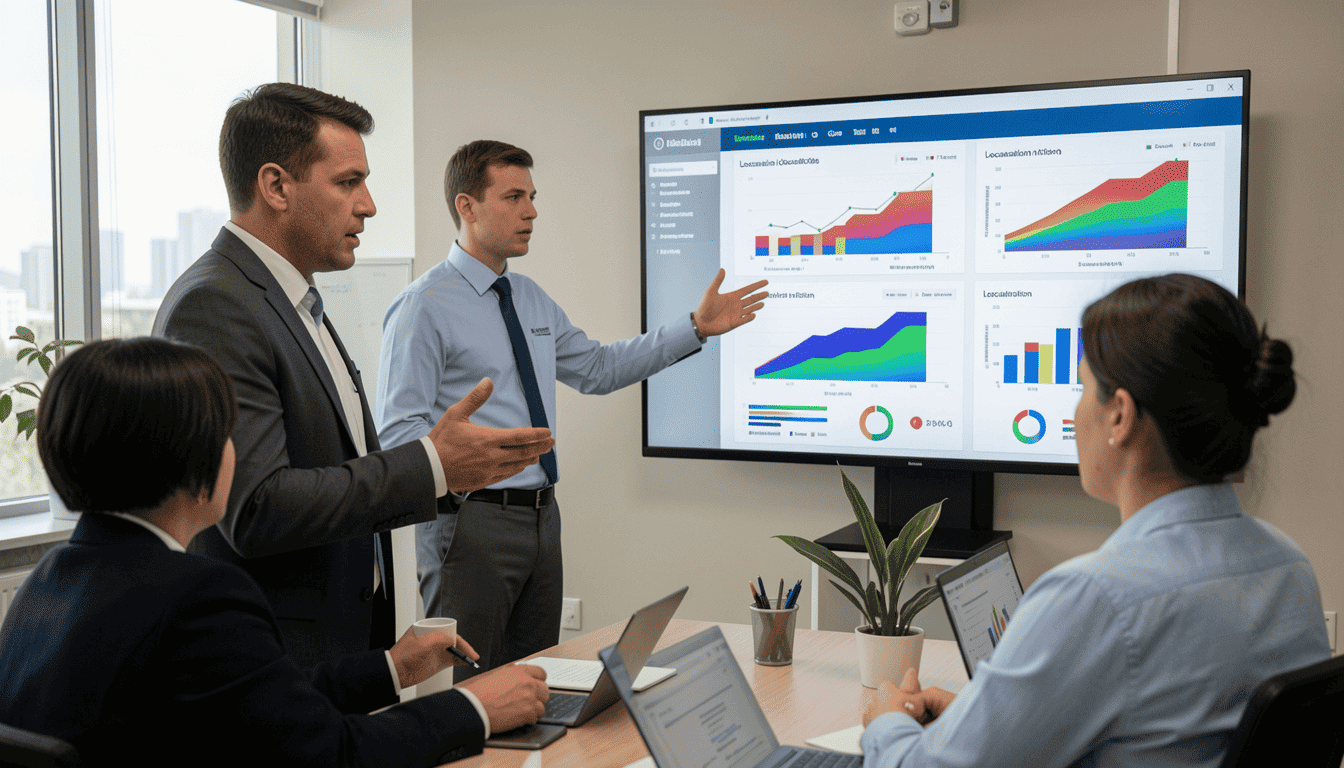
Many industries now rely heavily on video communication, making localization increasingly valuable.
Entertainment and Streaming
Streaming platforms regularly localize movies, television series, documentaries, and animated content through subtitles, dubbing, and localized marketing materials.
E-learning and Education
Universities, online learning platforms, and professional certification providers use localized instructional videos to improve learner understanding and knowledge retention.
Software and Technology
Technology companies localize onboarding tutorials, product demonstrations, customer support videos, and feature announcements to improve user adoption.
Healthcare
Hospitals, healthcare providers, and medical device companies often localize patient education videos, safety instructions, and healthcare awareness campaigns to improve communication.
Manufacturing
Manufacturers translate safety training videos, operational procedures, equipment instructions, and compliance materials for Indonesian employees and partners.
E-commerce and Retail
Retailers localize product demonstrations, influencer campaigns, livestream shopping events, and promotional advertisements to connect with local consumers.
How Video Localization Works for the Indonesian Market
Professional video localization involves much more than translating subtitles. Every stage contributes to making the final content accurate, natural, and culturally appropriate.
1. Analyze the Original Content
The localization team reviews the video's purpose, target audience, technical terminology, and cultural references before translation begins.
2. Translate the Script
Professional linguists translate spoken dialogue, captions, graphics, and any on-screen text into natural Bahasa Indonesia while preserving the intended meaning.
3. Adapt Cultural References
Examples, humor, idioms, dates, units of measurement, currencies, and visual references are evaluated to ensure they make sense for Indonesian audiences.
4. Localize Subtitles or Voiceovers
Depending on the project's goals, the video may include:
- Subtitle localization
- Closed captions
- Professional voiceover
- Full dubbing
- Localized graphics and animations
Each format serves different audience needs and budgets.
5. Synchronize Audio and Visual Elements
Subtitle timing, voice synchronization, and on-screen text placement are carefully adjusted to ensure viewers enjoy a seamless experience.
6. Perform Linguistic and Technical Quality Assurance
Editors review grammar, consistency, terminology, subtitle timing, readability, and technical formatting before final delivery.
7. Deliver Market-Ready Content
The localized video is exported in the required formats while maintaining high audiovisual quality across different platforms.
Common Challenges When Localizing Videos for Indonesia
Although video localization appears straightforward, several challenges can affect the quality of the final result.
Literal Translation
Direct translation often produces unnatural dialogue that sounds awkward to Indonesian viewers.
Best practice: Prioritize meaning instead of translating every word literally.
Ignoring Cultural Context
Humor, idioms, social norms, and visual references may not resonate with Indonesian audiences.
Best practice: Adapt content based on local culture while preserving the original message.
Poor Subtitle Timing
Subtitles that disappear too quickly or remain on screen for too long reduce readability.
Best practice: Follow professional subtitle timing standards and conduct user testing whenever possible.
Inconsistent Terminology
Technical industries often require standardized terminology across multiple videos.
Best practice: Maintain terminology databases and style guides throughout localization projects.
Machine Translation Without Human Review
AI translation tools have improved significantly but may still misunderstand context, technical language, or cultural nuances.
Best practice: Combine translation technology with professional human review for higher accuracy.
Overlooking Accessibility
Some videos fail to include captions, speaker identification, or accessible formatting.
Best practice: Design localized videos with accessibility in mind to reach broader audiences.
FAQ
Why is Indonesia a key video localization market?
Indonesia combines a large internet population, high video consumption, growing digital commerce, and strong demand for localized content, making it one of Southeast Asia's most attractive markets for video localization.
What language should videos be localized into?
For nationwide audiences, Bahasa Indonesia is generally the preferred language. Certain regional campaigns may also benefit from additional localization into local languages or dialects, depending on the target audience.
Is subtitle localization enough?
Not always. Marketing campaigns, entertainment content, and customer education videos may require voiceovers, dubbing, or cultural adaptation in addition to subtitles.
Which industries need video localization the most?
Entertainment, education, healthcare, technology, manufacturing, tourism, finance, and e-commerce frequently use localized videos to communicate with Indonesian audiences.
Does localization improve customer engagement?
Yes. Research consistently shows that audiences are more likely to engage with content presented in their native language and adapted to local culture.
How is localization different from translation?
Translation focuses on converting text between languages, while localization adapts language, visuals, tone, cultural references, and user experience for a specific audience.
Can AI replace professional video localization?
AI can speed up translation workflows, but human linguists remain essential for handling cultural nuances, quality assurance, specialized terminology, and natural communication.
How long does video localization take?
Project timelines depend on video length, technical complexity, number of target languages, subtitle requirements, voice recording, and review processes.
What should businesses prepare before localization?
Providing source scripts, terminology lists, brand guidelines, pronunciation preferences, and target audience information helps improve localization quality and consistency.
Why Professional Localization Matters
As video becomes one of the primary ways businesses communicate globally, professional localization helps ensure every message remains accurate, culturally appropriate, and easy to understand.
Experienced linguists, editors, and localization specialists can adapt content beyond translation by considering audience expectations, industry terminology, accessibility, and regional communication styles. This approach often results in higher-quality content that performs better across international markets.
Digital-Trans Asia provides professional translation, interpretation, and localization services for businesses across Asia.
Conclusion
Indonesia is a key video localization market because it offers a unique combination of rapid digital growth, extensive online video consumption, linguistic diversity, and expanding business opportunities. Organizations that invest in professionally localized video content can communicate more effectively with Indonesian audiences, strengthen customer trust, improve accessibility, and support long-term business growth.
As companies continue expanding across Southeast Asia, high-quality video localization will remain an important strategy for delivering clear, culturally relevant communication that resonates with local viewers.
Ready to localize your video content for the Indonesian market? Visit https://digital-trans.asia/ to learn more about our services. Contact us today to get started!