Why Machine Translation Is Not Enough for Official Documents?
Machine translation has become an ordinary part of the modern era. With an effortless process, you can instantly understand foreign texts, translate messages, or browse websites written in another language. Tools powered by artificial intelligence make language feel more accessible than ever before.
However, despite these impressive advances, machine translation and official documents do not mix well. When accuracy, legality, and formal acceptance matter, machine translation simply does not meet the required standards. Official documents are not merely about transferring words from one language to another since they carry legal meaning, institutional authority, and long-term consequences.
This article explains why machine translation is not enough for official documents, how it works, where its limitations lie, and why human expertise is still essential in formal and legal contexts. Kindly scroll down to discover more.
What Is Machine Translation?
Machine translation refers to the automated process of converting text from one language into another using software or artificial intelligence. Modern machine translation systems rely on neural networks that analyze massive datasets to predict the most likely equivalent words and sentences in the target language. Popular examples include Google Translate, DeepL, and other AI-powered translation tools.
These systems are designed to prioritize speed and convenience. They work well for general understanding, informal communication, and low-risk content. However, they are not built to handle legal responsibility or institutional requirements.
Official documents, on the other hand, are formal records recognized by governments, courts, universities, and other authorities. These documents often determine a person’s legal status, educational background, professional eligibility, or business rights. Examples include birth certificates, marriage certificates, academic transcripts, contracts, immigration documents, and court decisions.
The key issue is that official documents demand precision, consistency, and accountability. Even a small translation error can change the meaning of a clause, invalidate an application, or cause legal complications. This is why machine translation and official documents follow fundamentally different standards and expectations.
Why Machine Translation Is Beneficial?
Machine translation is not inherently bad. In fact, it is extremely useful when applied in the right situations. It allows people to quickly understand foreign content without needing professional assistance, making communication faster and more accessible.
For example, machine translation works well when someone wants to get the general idea of a document written in another language. It is also useful for informal communication, such as emails, chat messages, or social media posts where perfect accuracy is not essential. Many professionals also use machine translation to create rough drafts that will later be reviewed and refined by human translators.
However, these benefits do not extend to official documents. In formal settings, translation is not about “getting the gist.” It is about delivering an exact, legally valid version of the original text. Authorities expect consistency in terminology, correct formatting, and compliance with local regulations. Machine translation is not designed to meet these expectations.
As a result, while machine translation can support understanding, it cannot replace professional translation when documents are submitted to official institutions.
How Does Machine Translation Work?
To understand why machine translation struggles with official documents, it helps to look at how it actually works.
First, the user inputs text into a translation system. The system then breaks the text into smaller units and analyzes patterns based on data it has previously learned. Using statistical and neural models, it predicts the most likely translation for each segment of text. Finally, it generates the translated output almost instantly.
This process is efficient, but it has significant limitations. Machine translation does not truly understand meaning, intention, or legal context. It does not verify whether a translated term is legally appropriate, culturally accurate, or institutionally accepted. It simply predicts what “sounds right” based on past data.
Human translators approach the process very differently. They analyze the purpose of the document, consider who will read it, and apply terminology that aligns with specific legal or administrative systems. Most importantly, professional translators take responsibility for their work, especially when providing certified or sworn translations.
This difference in approach explains why machine translation and official documents are incompatible in high-stakes situations.
What Are the Risks of Using Machine Translation for Official Documents?
One of the biggest risks of using machine translation for official documents is terminology error. Legal and administrative language relies on precise wording, and machine translation often replaces technical terms with general or inaccurate alternatives. Even small differences in wording can significantly alter legal meaning.
Another common issue is contextual misunderstanding. Official documents often contain complex sentence structures, references to laws, or implied meanings that require interpretation. Machine translation lacks the ability to recognize these nuances, leading to translations that may be grammatically correct but legally incorrect.
Formatting is another overlooked problem. Many authorities require translated documents to match the original layout exactly, including headings, numbering, footnotes, and annotations. Machine translation tools do not account for these requirements, which can result in documents being rejected outright.
There is also the issue of cultural and jurisdictional differences. Legal systems vary from country to country, and certain concepts may not have direct equivalents in another language. Machine translation does not adapt content to fit these differences, increasing the risk of misunderstanding.
Perhaps the most serious consequence is rejection by authorities. Many institutions explicitly state that machine-translated documents are not accepted. Submitting such documents can lead to delays, additional costs, missed deadlines, or even legal penalties.
What Is the Accuracy of Machine Translation for Official Documents?
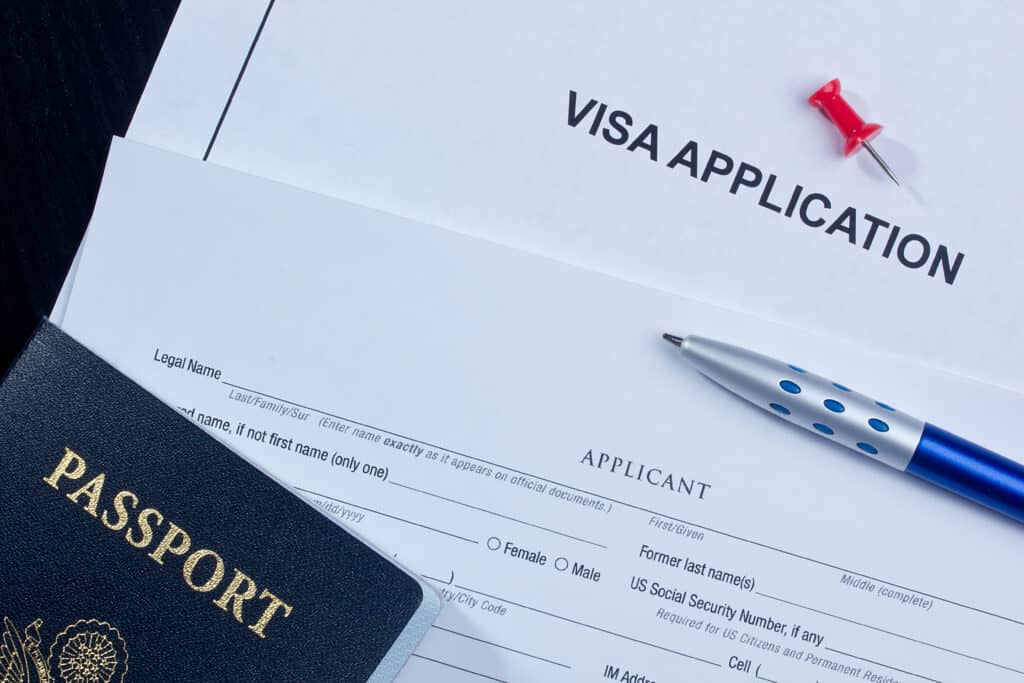
Machine translation can be quite accurate for everyday communication, such as casual emails, news articles, or general web content. However, official documents operate under much stricter standards. They often contain legal, administrative, or technical terminology that must be translated consistently and precisely throughout the document. Even a small mistranslation—such as an incorrect legal term, title, or numerical detail—can change the document’s meaning or validity. In addition, machine translation systems do not fully understand legal context or institutional requirements. They generate translations based on probability, not legal interpretation, which makes them unreliable for documents that carry legal or formal consequences.
Why Do Institutions Reject Machine-Translated Documents?
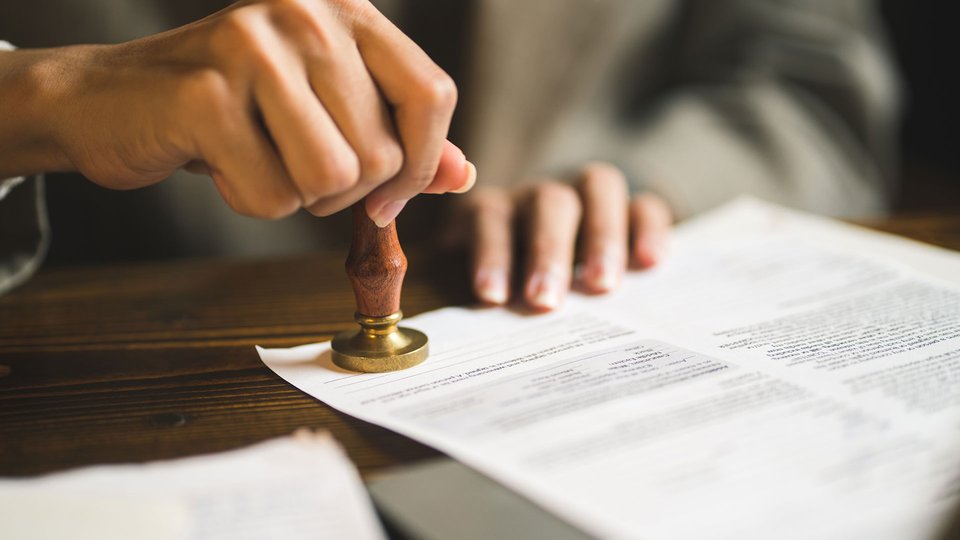
Institutions typically reject machine-translated documents because they are not certified and do not provide any form of professional accountability. When authorities review official documents, they need assurance that the translation accurately reflects the original text and complies with legal or administrative standards. Machine translation tools cannot sign, stamp, or legally attest to their accuracy. If an error occurs, there is no responsible party who can be held accountable. For this reason, many government offices, courts, universities, and immigration authorities explicitly state that translations must be completed or verified by qualified human translators.
Can Machine Translation be Used at All for Official Documents?
Machine translation can still be useful in the early stages of handling official documents, particularly for internal reference or personal understanding. For example, someone may use machine translation to get a general idea of a foreign-language document before deciding what steps to take next. However, this use should remain strictly informal. Machine-translated text should never be submitted to authorities as an official translation. Before any document is filed or reviewed by an institution, a professional human translator must carefully translate, review, and finalize the content to ensure accuracy, consistency, and compliance with official standards.
What Type of Translation Is Required for Official Documents?
Most official documents require certified or sworn translations prepared by professional translators who are recognized by the relevant authority. A certified translation typically includes a signed statement from the translator or translation agency confirming that the translation is complete and accurate. In some countries, sworn translators are officially authorized by courts or government bodies and can produce translations with legal validity. These types of translations provide institutions with the assurance they need: that the document has been translated by a qualified professional who understands both the language and the legal or administrative context.
Why Is Digital-Trans Asia a Reliable Service to Translate Official Documents?
When dealing with official documents, choosing the right professional translation service is essential. A reliable provider should have qualified translators with proven experience in handling legal, academic, or governmental documents. They should also be familiar with the requirements of the institution where the document will be submitted, including formatting, terminology, and certification standards.
Transparency is another key factor: a trustworthy service clearly explains its process, turnaround time, and responsibility for accuracy. By selecting a professional service with the right expertise and accountability, you ensure that your official documents are treated with the care and precision they require.
In accordance, Digital-Trans Asia provides professional translation, interpretation, and localization services for business across Asia. To avoid unnecessary delays or revisions, consider contacting a professional translation service that specializes in official documents and understands institutional requirements.
Conclusion
Machine translation has made multilingual communication faster and more accessible than ever before. For informal and low-risk purposes, it is a powerful and convenient tool. However, when it comes to official documents, convenience is not enough.
Official documents carry legal, academic, and administrative weight. They require accuracy, consistency, cultural awareness, and professional responsibility. Machine translation, by its very nature, cannot fulfill these requirements.
For this reason, machine translation and official documents should never be treated as interchangeable. While technology can support the translation process, human expertise remains essential for documents that matter. When the stakes are high, professional human translation is not merely the safer choice—it is the only acceptable one.
Need accurate and officially recognized translation services for legal, academic, or business documents? Digital Trans Asia provides professional certified translation, sworn translation, and localization services tailored for official institutional requirements across Asia. Contact Digital Trans Asia today to ensure your documents are translated with precision, confidentiality, and full professional accountability.