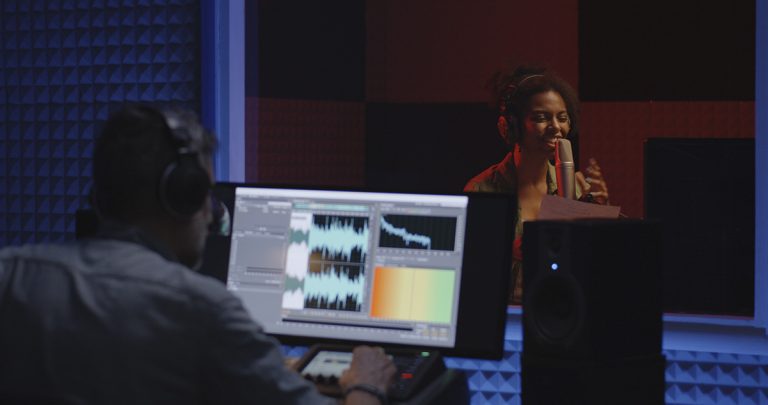
Lip Sync or Emotional Performance: What Defines Great Dubbing?
Dubbing is one of those invisible arts. When it works, you barely notice it. Nevertheless, when it fails, it pulls you right out of the story. At the heart of great dubbing lies an ongoing debate: is precision in lip sync in dubbing the most important factor, or does the magic truly come from strong voice actor performance skills? :contentReference[oaicite:0]{index=0}
The truth is, exceptional dubbing lives at the intersection of both. Technical accuracy ensures believability, while emotional authenticity builds connection. In this article, you will unpack what really defines great dubbing and how these two elements work together to shape audience experience.
What Is Lip Sync and Emotional Performance in Dubbing?
Lip sync in dubbing refers to the alignment between a character’s mouth movements and the spoken dialogue in the target language. This includes timing, syllable matching, and even the rhythm of speech. When done correctly, it creates the illusion that the character is naturally speaking that language.
On the other hand, voice actor performance skills encompass the actor’s ability to convey emotion, personality, and nuance through voice alone. This includes tone, pacing, breathing, emotional depth, and character interpretation.
While lip sync is largely technical, performance is deeply artistic. However, separating them entirely is a mistake since in dubbing, technical execution and emotional delivery must coexist seamlessly.
A perfectly synced line that lacks emotion feels robotic. Meanwhile, a powerful emotional delivery that does not match the mouth movements can feel jarring. Great dubbing happens when audiences forget they are listening to a translated version at all.
Why Is Dubbing More Beneficial Than Simple Translation?
When lip sync and performance are both handled effectively, dubbing can elevate a project far beyond simple translation. Why so?
-
Enhanced immersion
Accurate lip sync combined with natural delivery makes characters feel authentic, helping audiences stay emotionally engaged. -
Stronger emotional connection
Skilled voice actors bring depth to characters, allowing viewers to connect regardless of language barriers. -
Global accessibility
High-quality dubbing allows content to reach wider audiences without losing its narrative impact. -
Cultural adaptation without losing intent
Good dubbing balances localization with original meaning, preserving tone while making dialogue feel native. -
Consistency across characters and scenes
Strong performance skills ensure characters maintain emotional continuity, even in complex narratives. -
Improved storytelling clarity
Clear and well-delivered dialogue ensures the story is easy to follow, even in fast-paced scenes.
How Great Dubbing Works?
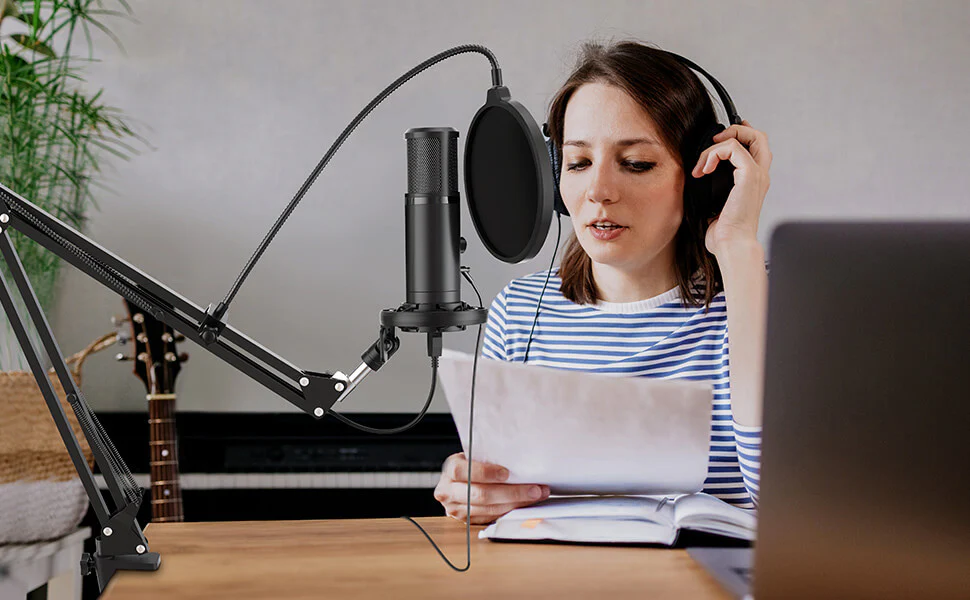
Creating great dubbing is a multi-step process that blends linguistic precision with performance artistry as follows:
-
Script Adaptation (Localization)
The original script is translated and adapted into the target language. This step considers not only meaning but also timing, syllable count, and cultural nuance. Writers often modify phrasing to better fit mouth movements while preserving intent. -
Lip Sync Adjustment
The adapted script is refined to align with the character’s mouth movements. This may involve shortening or extending lines, adjusting pauses, or choosing words with similar phonetic patterns. -
Casting Voice Actors
Selecting the right voice is crucial. Casting focuses on actors whose vocal qualities match the character’s personality, age, and emotional range, not merely their ability to read lines. -
Recording Sessions
Voice actors perform while watching the original footage. They must match timing cues while delivering emotionally authentic performances. This is where voice actor performance skills are truly tested. -
Direction and Performance Refinement
Directors guide actors to balance sync and emotion. They may request multiple takes to fine-tune delivery, ensuring lines feel natural while staying aligned with visuals. -
Editing and Synchronization
Audio engineers adjust timing, pacing, and alignment to ensure smooth integration with the visuals. Subtle tweaks can make a big difference in perceived quality. -
Quality Control
Final checks ensure consistency, accuracy, and immersion. This includes reviewing lip sync, emotional tone, and overall coherence.
The Common Mistakes of Dubbing
Even experienced dubbing teams often face challenges when trying to strike the right balance between lip sync and performance, and several common pitfalls can affect the final result.
One frequent issue is over-prioritizing lip sync, where too much focus on matching mouth movements leads to stiff or unnatural dialogue that lacks emotional authenticity. On the other hand, completely overlooking lip sync in favor of performance can disrupt immersion, as mismatched timing makes the dialogue feel disconnected from the visuals.
Another common mistake is relying on literal translation, which often ignores rhythm, tone, and cultural nuance, resulting in awkward phrasing and poor synchronization. Miscasting voice actors can also weaken the outcome, as even technically skilled performers may not align with a character’s personality, reducing emotional impact.
Additionally, a lack of strong direction during recording can cause performances to feel inconsistent or stray from the original intent.
Finally, inconsistent emotional tone across scenes may make characters seem unstable or unrealistic, ultimately affecting the audience’s connection to the story.
Which Is More Crucial: Lip Sync or Emotional Performance?
Neither element should stand on its own, as both serve different, but equally essential purposes in dubbing.
Lip sync ensures visual believability. It aligns the spoken dialogue with the character’s mouth movements, helping maintain the illusion that the character is naturally speaking the target language. Without it, even well-acted lines can feel out of place. The fact is, poor synchronization (lip sync issues over 100ms) causes 45% of viewers to abandon a video.
Meanwhile, emotional performance is what allows audiences to truly connect with the character. It conveys intent, subtext, and feeling, transforming dialogue into something meaningful rather than mechanical.
After all, the most effective dubbing does not force a choice between the two. Instead, it blends them so seamlessly that viewers remain fully immersed in the story without consciously noticing either the synchronization or the performance.
What Makes a Voice Actor Excel in Dubbing Specifically?
Excelling in dubbing requires a highly specialized skill set that goes beyond general voice acting. A dubbing actor must master precise timing, often delivering lines within tight constraints to match on-screen mouth movements and scene pacing.
At the same time, they need a strong emotional range to ensure the performance feels authentic and aligned with the original intent of the character. This means interpreting not merely the words, but also the subtext, cultural nuances, and emotional beats behind them.
Additionally, dubbing actors must be adaptable. They often adjust their delivery on the spot based on direction, script changes, or synchronization needs. The ability to balance technical discipline with expressive performance is what truly sets great dubbing actors apart from others in the field.
Is Dubbing Becoming More Performance-Focused Over Time?
Dubbing has increasingly shifted toward a more performance-driven approach in recent years. As global audiences become more discerning and exposed to high-quality content, expectations for natural, emotionally engaging dialogue have grown significantly.
Moreover, viewers no longer accept stiff or overly “translated” performances. They expect characters to sound as if they were originally created in their language. This shift has pushed the industry to prioritize voice actor performance skills more than ever, without abandoning the importance of technical accuracy.
Advances in technology and localization practices have also made it easier to achieve better lip sync, allowing more creative space for actors to focus on delivering nuanced performances. As a result, modern dubbing is less about simply matching words and more about recreating the full emotional experience of the original content.
In accordance, Digital-Trans Asia provides professional translation, interpretation, and localization services for businesses across Asia. If you are aiming for dubbing that feels natural, emotionally engaging, and perfectly in sync, partnering with a professional language service can help bring that vision to life—seamlessly and authentically.
According to Market Report World, around 65% of global streaming platforms rely on localization services, including dubbing, to expand their reach. As a result, the broader dubbing & subtitling market could reach $24.39 billion by 2035, driven by localization demand (Global Growth Insights, 2025).
Conclusion
Great dubbing is not a choice between lip sync in dubbing and voice actor performance skills, since it is a careful balance of both.
Lip sync provides the structure. It ensures that what we hear aligns with what we see, maintaining the illusion of reality. Meanwhile, performance breathes life into that structure, turning lines into emotions and characters into people we care about.
When one dominates at the expense of the other, the illusion breaks. However, when they work together, something remarkable happens: the audience forgets they are watching dubbed content at all.
Ready to elevate your content with expert dubbing and localization? Visit https://digital-trans.asia/ to learn more about our services. Contact us today to get started!