
What Makes Game Localization Different from Game Translation?
Game localization and game translation are two different aspects. Game translation is concerned with the translation of text from one language to another, whereas game localization entails transforming the whole gaming experience according to linguistic, cultural, technical, and legal requirements of a specific target market. This is significantly related to how the quality of gameplay is enhanced for better comprehension and immersion.
What Is Game Localization and Game Translation?
Game translation means the process of linguistic translation of in-game text, including spoken dialogue, menus, and tutorials, into another language. The major objective of translation in games and other forms of translating text is accuracy at the sentence and word level.
On the other hand, game localization is a more generic process. It encompasses the translation process. However, the game localization process takes into consideration cultural adaptation, constraints imposed by UI and UX, technical issues, audio issues, and region-related issues.
According to the Localization Industry Standards Association and the ISO 17100 translation standard, localization requires contextual, functional, and cultural adaptation beyond linguistic transfer. In the game localization process, it is not just about making the text readable, but also about how natural and intuitive the game feels.
For example, humor, idioms, symbols, date formats, color meanings, and even character names may be adjusted during game localization. A direct game translation that ignores these elements can feel awkward or confusing to players.
Technical Constraints That Separate Localization from Translation
Game localization operates within technical boundaries that game translation alone does not address. Text length expansion, font rendering, character encoding, and platform limitations vary significantly across languages.
Languages such as Indonesian, Thai, Japanese, and Korean often require different spacing, line breaks, or font support. Without proper localization testing, translated text may overlap UI elements or become unreadable. This is why game localization involves close coordination between linguists, developers, and QA teams, rather than isolated translation work.
Also read: Why Poor Subtitle Localization Can Ruin Your Brand’s Reputation (and How to Avoid It)
Benefits of Game Localization
Game localization has become a strategic requirement for studios aiming to release titles across multiple regions, especially in Asia, where language structure, cultural references, and platform regulations vary widely.
When applied correctly, game localization offers measurable benefits compared to basic game translation.
- Improves player comprehension of mechanics, objectives, and UI
- Increases immersion by aligning language with cultural expectations
- Reduces churn caused by confusing or unnatural in-game text
- Supports regulatory compliance in different regions
- Enhances accessibility for non-native English players
- Strengthens brand credibility in global markets
Game translation alone may be sufficient for internal testing or limited releases, but for commercial launches, especially in Asia, game localization is often essential.
When Studios Choose Game Translation Only
- Early prototypes or internal builds
- Limited beta testing in secondary markets
- Budget-constrained indie projects with minimal text complexity
When Game Localization Becomes Necessary
- Narrative-driven or dialogue-heavy games
- Mobile games with monetization and legal text
- Live-service games with frequent updates
- Titles targeting culturally diverse regions
When Game Localization Becomes a Strategic Investment
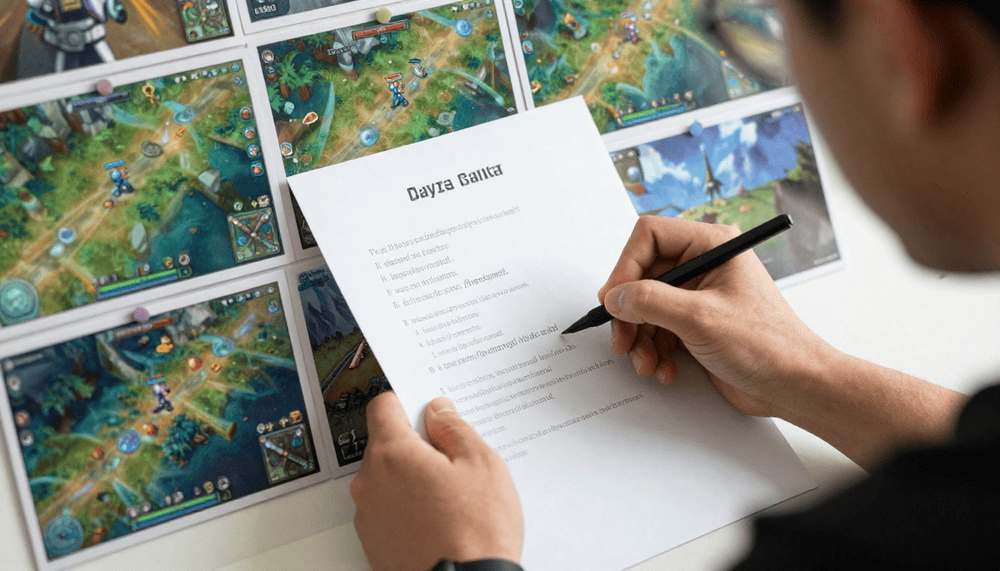
Game localization is often perceived as a cost center, but for many studios, it functions as a strategic investment. Localized games tend to receive higher user ratings, stronger word-of-mouth, and better retention in non-English markets.
Studios operating live-service games or long-term franchises especially benefit from consistent game localization. As content updates roll out, maintaining linguistic and cultural consistency reinforces player trust and brand credibility. In this context, game localization supports both user experience and commercial performance.
Cultural Adaptation in Game Localization
Cultural adaptation is one of the most defining differences between game localization and game translation. While game translation transfers meaning between languages, game localization evaluates whether that meaning resonates within the target culture.
This includes adapting jokes, idioms, character archetypes, color symbolism, and even gameplay tutorials. For example, instructional tone that works well for Western audiences may feel too direct or impolite in certain Asian markets. Game localization adjusts these elements to align with cultural communication norms, ensuring the game feels familiar rather than foreign.
How Game Localization Works

Game localization follows a structured process that expands on standard game translation workflows.
Content Scoping and Text Extraction
All player-facing text is identified and extracted, including UI strings, tutorials, system messages, store descriptions, and legal notices. This step sets the foundation for consistent game localization.
Context and Reference Preparation
Localization specialists—including translators—receive screenshots, gameplay videos, and build access. Context is critical because game localization without visual reference often leads to errors in tone or meaning.
Terminology and Style Guide Development
A glossary is created to standardize gameplay terms, item names, character roles, and system labels. Consistency is a core requirement in game localization, especially for long-term titles.
Linguistic Adaptation and Game Translation
Text is translated while considering grammar, tone, player expectations, and cultural norms. Literal translation is avoided when it reduces clarity or usability.
Technical Integration and Layout Testing
Localized text is implemented into the game build. Text expansion, font support, truncation, and line breaks are tested across devices and screen sizes.
Linguistic and Functional Quality Assurance
Testers play the localized version to verify accuracy, flow, and gameplay usability. Bugs and mistranslations are corrected before release or update deployment.
This process highlights why game localization requires cross-functional collaboration, while game translation can often be completed as a standalone linguistic task.
Also read: 10 Game Localization Examples That Boosted Sales Worldwide
Common Mistakes
According to the Game Developers Conference localization surveys, poor localization is a common cause of negative reviews in non-English markets. Despite its importance, game localization is frequently misunderstood or underestimated. Here are common mistakes you should be aware of, such as:
-
Relying solely on direct game translation
Literal translations often ignore context, resulting in unnatural dialogue or misleading instructions. -
Ignoring UI and UX constraints
Text length and font compatibility vary by language. Without layout testing, localized text may overflow or become unreadable. -
Lack of cultural review
Symbols, gestures, or phrases acceptable in one region may be offensive or confusing in another. -
No linguistic QA phase
Skipping quality assurance leads to inconsistent terminology, broken strings, or gameplay misunderstandings. -
Underestimating update cycles
Live games require ongoing game localization support, not one-time game translation.
Regulatory and Platform Compliance in Game Localization
In many regions, game localization must also account for legal and platform-specific requirements. This includes age ratings, consumer protection notices, monetization disclosures, and content restrictions.
Game translation alone may accurately translate legal text, but game localization ensures it complies with local regulations and platform policies. For example, mobile app stores in Asia often require specific wording formats for in-app purchases and privacy disclosures. Failing to localize these elements correctly can delay approval or result in content takedowns.
FAQ
What is the main difference between game localization and game translation?
Game translation focuses on language conversion, while game localization adapts language, culture, UI, and technical elements for a target market.
Is game translation part of game localization?
Yes. Game translation is one component within the broader game localization process.
Can indie developers skip game localization?
Some indie games rely on basic game translation, but skipping localization increases the risk of poor player experience in global markets.
Does game localization affect player retention?
Yes. Clear, natural in-game text improves understanding, immersion, and long-term engagement.
Is game localization required for mobile games?
Mobile games often require localization due to store policies, monetization text, and regional regulations.
Conclusion
Understanding what makes game localization different from game translation helps studios make informed decisions about global releases. While game translation ensures text is readable, game localization ensures the entire experience feels native to players in each market.
As games expand beyond borders, localization is no longer optional. It directly influences usability, cultural acceptance, and commercial success.
If your team is preparing a regional or multi-market release, aligning early on the right localization strategy can prevent costly revisions later. For studios seeking reliable expertise across Asian markets, working with experienced localization partners can streamline both game translation and full game localization workflows.
Ready to expand your game globally with expert game localization services? Visit https://digital-trans.asia/ to learn more about our services. Contact us today to get started!